
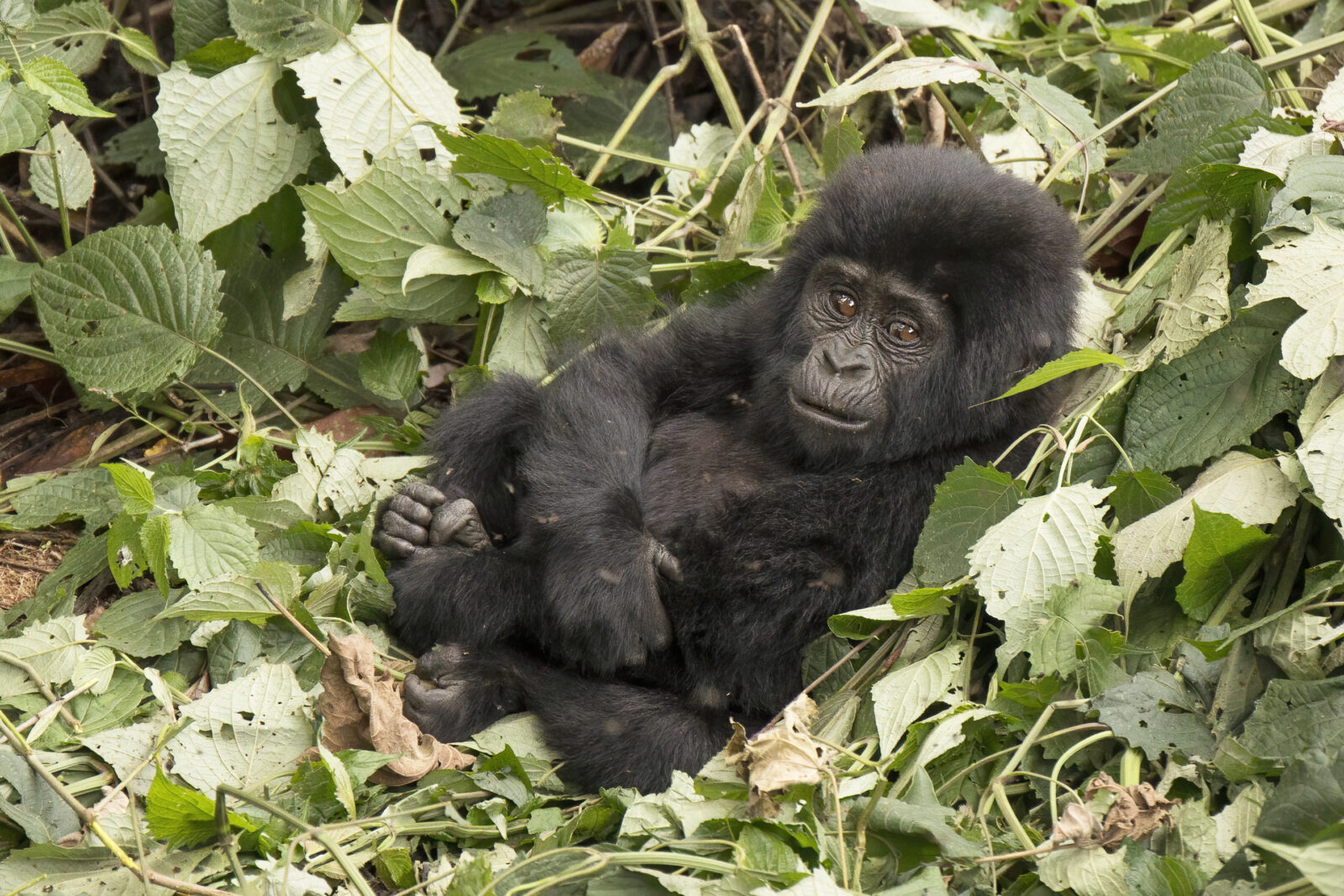
Uganda’s gorilla trekking sits within a country offering genuinely diverse additional attractions, which makes the trip-length question here broader than a single-park answer. How many days do I need for a gorilla safari in Uganda deserves an answer that accounts for the country’s full range of options, not just the trek itself in isolation.
This guide covers the realistic national minimum, how it scales with additional interests, and the factors that should shape your specific itinerary length.
The Genuine National Minimum: Four Full Days
A Uganda gorilla safari focused purely on trekking, whether in Bwindi or Mgahinga, can realistically be managed in four days: travel in, a buffer day, the trek, travel out. This structure works whether your trek happens in either park, since both sit within a similar overall travel-time range from Entebbe.
Why Uganda’s National Scope Genuinely Changes the Calculation
Unlike a single-park country, Uganda offers meaningful additional destinations within reasonable reach of gorilla trekking — Queen Elizabeth National Park, Kibale Forest for chimpanzee tracking, and Lake Mburo among others — which genuinely expands the trip-length conversation beyond simply “how many days for the trek.”
Weather-Related Timing Considerations Across a National Circuit
A multi-destination Uganda itinerary spanning different regions can encounter genuinely different weather conditions at each stop, and building in flexibility around this — rather than a rigidly fixed schedule assuming identical conditions everywhere — helps absorb the natural variation across a longer national trip.
A Week-Long Uganda Gorilla and Wildlife Safari
Combining a Bwindi or Mgahinga gorilla trek with Queen Elizabeth National Park’s game drives and boat safari is one of Uganda’s most popular extended itineraries, typically running six to eight days depending on pace. This structure gives genuine time for both the primate-focused and classic-safari sides of Uganda’s wildlife offering.
How Trip Length Interacts With Your Overall Budget
Each additional destination and day added to a Uganda circuit brings genuine additional cost across accommodation, transport, park entry fees, and guide services, so it’s worth weighing your itinerary length against your actual budget and priorities rather than assuming a longer trip is automatically the better one. A focused four-day gorilla trek can be just as rewarding as a two-week circuit if that’s genuinely what you’re after.
A Two-Week Comprehensive Uganda Circuit
Trekkers with more time available sometimes build a genuinely comprehensive circuit spanning gorilla trekking, chimpanzee tracking in Kibale, Queen Elizabeth’s game drives, and additional cultural or adventure activities, typically requiring ten to fourteen days to cover without feeling rushed across each individual destination.
Factors That Should Push Your Trip Longer
Interest in combining gorillas with chimpanzees, wanting a genuine classic safari component alongside primate trekking, or simply preferring a more relaxed overall pace with less daily travel all warrant extending your Uganda itinerary well beyond the bare gorilla-only minimum.
Factors That Can Keep Your Trip Shorter
Trekkers whose Uganda visit is purely about the gorilla trek, with no interest in broader wildlife or cultural exploration, and who have efficient international flight connections can reasonably manage the tighter four-day structure without feeling they’ve missed the trip’s central purpose.
Solo Travellers Versus Families and Groups
Solo trekkers touring Uganda often move faster between destinations than families or larger groups, who typically benefit from slightly more buffer time built in around each major transition to accommodate varying paces, additional rest stops, and the simple logistics of coordinating more people.
How Choosing Bwindi Versus Mgahinga Affects National Itinerary Planning
Bwindi’s more central location makes it marginally easier to combine with Queen Elizabeth National Park and other western Uganda destinations than Mgahinga’s more remote southwestern position, worth factoring in if you’re building a multi-destination national itinerary rather than a single-park trip.
What a Ten-Day Comprehensive Circuit Actually Looks Like
A genuinely comprehensive ten-day Uganda circuit might open with gorilla trekking in Bwindi across days one through four, transfer to Queen Elizabeth National Park for game drives and a boat safari across days five and six, then continue to Kibale Forest for chimpanzee tracking on day seven, with the remaining days allowing for travel buffers and a final relaxed stretch before departure. This pacing gives each destination genuine time without back-to-back demanding days throughout.
What Experienced Repeat Visitors Do Differently in Uganda
Trekkers on a repeat Uganda visit, often having already covered the core gorilla trekking experience, tend to plan more targeted itineraries around specific additional interests — a particular sector they haven’t tried, a specific wildlife destination — rather than the broader first-timer circuit covering everything at once.
Weighing Cultural Experiences Into Your Day Count
Uganda’s community and cultural tourism offerings around Bwindi and elsewhere are worth budgeting extra time for specifically, rather than assuming they’ll fit naturally into travel days — a half-day cultural visit genuinely deserves its own slot in the itinerary rather than being squeezed between a long drive and an early trek departure.
Packing and Preparation Time Across a Multi-Destination Circuit
A longer national circuit involving multiple destinations and packing lists suited to different activities — trekking gear for gorillas, lighter clothing for game drives — genuinely benefits from a dedicated preparation evening early in the trip, rather than assuming everything can be sorted on the fly between fast-moving destinations.
How Group Size Affects Practical Itinerary Length
Larger groups travelling together sometimes need slightly more buffer time built in for logistics like vehicle loading, group coordination at border crossings or park entries, and coordinating varying paces on activities, worth factoring in in when planning a group itinerary rather than assuming solo-traveller timing applies uniformly.
Domestic Flights Versus Road Transport
Trekkers with tighter overall timeframes sometimes opt for domestic flights between Entebbe and airstrips near Bwindi or Queen Elizabeth National Park rather than the full road journey, meaningfully compressing total trip length at a higher cost — worth weighing against your budget and time constraints when planning a multi-destination Uganda circuit.
Frequently Asked Questions
Is four days enough for a gorilla-only Uganda trip?
Yes, generally — four days covers travel in, a buffer day, the trek itself, and travel out, whether you’re trekking in Bwindi or Mgahinga.
How many days should I plan for gorillas plus a classic safari?
Six to eight days typically covers a combined gorilla trekking and Queen Elizabeth National Park itinerary comfortably without feeling rushed.
Is two weeks too long for a comprehensive Uganda circuit?
Not at all — ten to fourteen days genuinely suits trekkers wanting to combine gorillas, chimpanzees, and classic safari destinations without compressing each into a rushed visit.
Do domestic flights meaningfully shorten a multi-destination Uganda trip?
Yes, considerably — flying between Entebbe and airstrips near your destinations compresses total trip length compared to road transport, at a higher cost worth weighing against your budget.
Should I budget separate time for cultural experiences?
Yes, worth doing explicitly — community and cultural visits deserve their own itinerary slot rather than being squeezed between a long drive and an early trek departure.
Do larger groups need more buffer time built into their itinerary?
Often yes, given the extra coordination involved in group logistics, vehicle loading, and varying paces during activities compared to solo or couple travel.
Do families travelling with children need a different itinerary structure?
Often yes, given gorilla trekking’s minimum age requirement and the value of slightly gentler pacing overall, worth discussing specifically with your operator when planning a family itinerary.
Is a longer, more expensive circuit always the better choice?
Not necessarily — a focused four-day gorilla trek can be just as rewarding as a two-week comprehensive circuit if your genuine priority is the trek itself rather than the broader regional experience.
Do repeat visitors to Uganda plan differently than first-timers?
Often yes — repeat visitors tend to target specific new interests rather than the broader first-timer circuit that covers everything at once.
Should I set aside dedicated time to prepare gear for a multi-activity circuit?
Worth doing early in your trip, since a circuit combining trekking and safari activities calls for genuinely different packing needs at each stage.
Should I build in flexibility for varying weather across a national circuit?
Yes, worth doing — different regions of Uganda can experience genuinely different weather conditions simultaneously, so a rigidly fixed schedule assuming uniform conditions everywhere isn’t realistic.
How much extra time should a multi-destination circuit realistically build in?
At least one additional buffer day beyond the sum of individual destination minimums, specifically to absorb the natural variation in weather, road conditions, and logistics across a longer national trip.
Take the time to weigh your own genuine priorities against Uganda’s full national range of options before finalising your specific circuit length for the trip ahead.
Plan the Rest of Your Trip
For the full permit picture once you’ve settled on your travel dates, this Uganda permit cost guide is worth reading, alongside this step-by-step Uganda permit booking guide. If you’re building a longer circuit, this 3-day itinerary from Entebbe is a useful comparison point, and this full cost breakdown helps you budget whichever trip length you choose.