
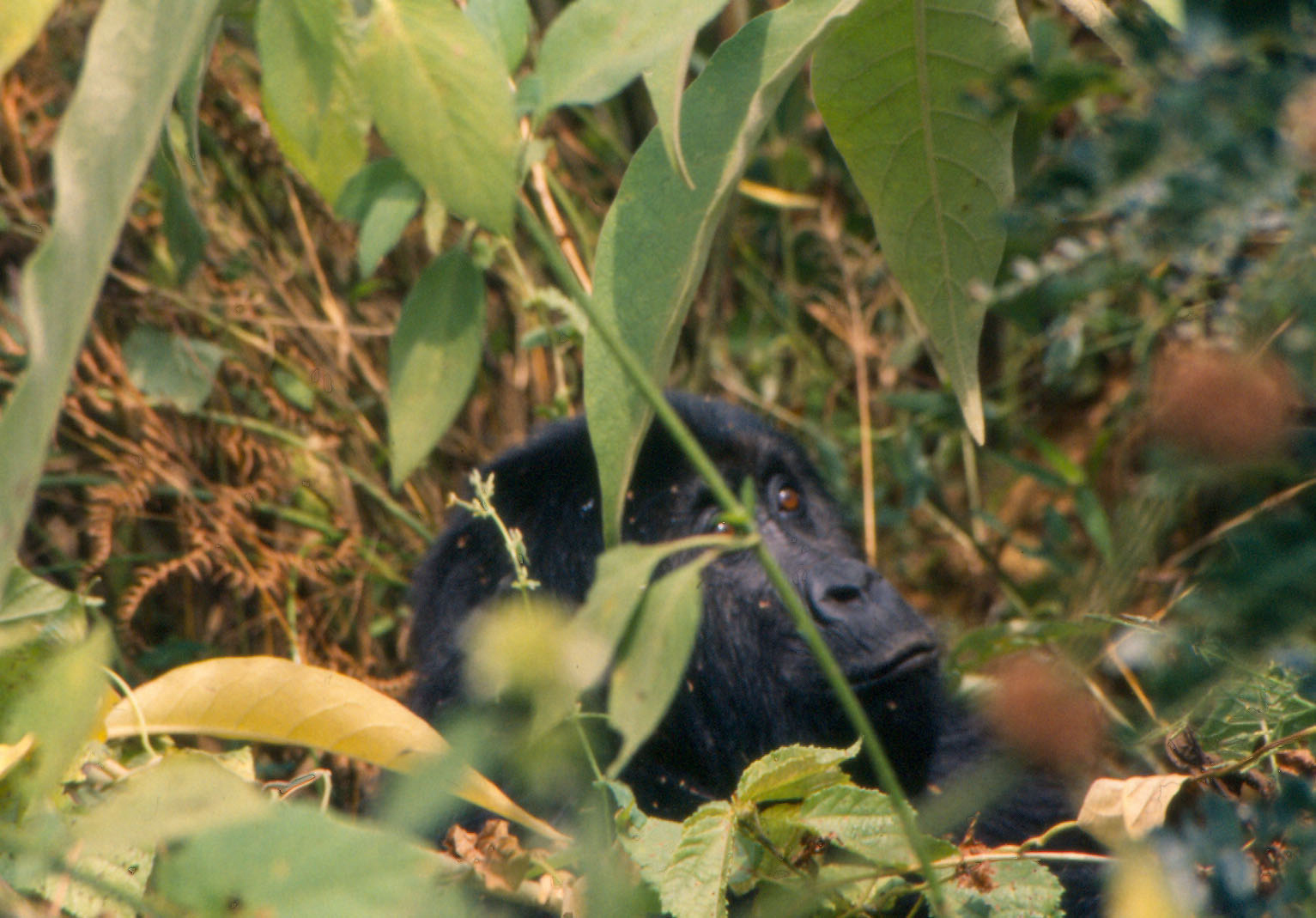
The Democratic Republic of Congo’s gorilla trekking, centred on Virunga National Park, comes with genuinely different logistics and security considerations than Uganda or Rwanda, which meaningfully affects how many days a realistic trip actually requires. How many days do I need for a gorilla safari in the Democratic Republic of Congo deserves an honest answer that accounts for these specific factors rather than assuming Congo mirrors its neighbours’ timelines.
This guide covers the realistic minimum, why Congo’s logistics differ from Uganda and Rwanda, and how to plan a genuinely well-prepared itinerary.
The Genuine Minimum: Three to Four Days
A Congo gorilla trek, typically accessed via Goma near the Rwandan border, can realistically be managed in three to four days: travel in via Rwanda or directly into Goma, the trek itself, and travel out, though this genuinely tight structure requires everything to go smoothly with border crossings and permits.
Why Congo Requires More Careful Planning Than a Simple Day Count
Congo’s security situation has historically been more variable than Uganda or Rwanda’s, and current conditions should always be checked directly with a licensed operator experienced specifically in Congo travel before finalising any itinerary, rather than assuming a fixed day count applies regardless of the current security picture.
Weather-Related Timing Considerations
Congo’s rainy season can meaningfully affect road access to Virunga National Park and border-crossing conditions beyond what a similar rainy period would affect in Uganda or Rwanda, worth building an additional contingency buffer into your itinerary if your travel dates fall within a wetter window.
Accessing Congo via Rwanda: A Common Approach
Many trekkers access Virunga National Park by flying into Kigali, Rwanda, then crossing the border to Goma, given Kigali’s better international flight connectivity compared to direct routes into eastern Congo. This approach typically adds a half to full day to your itinerary compared to a hypothetical direct Congo entry.
What a Four-Day Congo Itinerary Looks Like
Day one covers international arrival into Kigali and the border crossing to Goma. Day two is a buffer or rest day, useful given the additional border-crossing logistics involved. Day three is your gorilla trek. Day four covers your return crossing and onward travel.
Why Congo’s Historically Lower Pricing Doesn’t Mean a Shorter Trip
Congo’s permit pricing has historically sat below Uganda and Rwanda’s, but this doesn’t translate into needing fewer days — if anything, the additional border-crossing logistics and the importance of building in contingency time given the more variable operating environment argue for a slightly more generous itinerary than the bare minimum.
How Trip Length Interacts With Your Overall Budget
Congo’s historically lower permit price is a genuine draw, but each additional day of buffer and contingency planning still adds cost, and it’s worth weighing a slightly longer, more conservative itinerary against a bare-minimum trip purely to save a day of expense — the added safety margin is generally worth the modest extra cost here more than in Uganda or Rwanda.
Combining Congo With a Rwanda Extension
Given the common Kigali entry point, many trekkers combine a Congo gorilla trek with a Rwanda-focused component of their trip, either before or after the Congo leg, typically extending total trip length to six or more days when done this way rather than treating Congo as an isolated destination.
Factors That Should Push Your Trip Longer
Building in genuine contingency time given border-crossing logistics, combining with a Rwanda extension, or simply preferring a more conservative buffer given Congo’s historically more variable operating conditions all warrant a longer itinerary than the bare three-day structure.
Factors That Can Keep Your Trip Shorter
Trekkers working with an experienced, Congo-specialist operator who can efficiently manage border logistics, and who are comfortable with a tighter overall schedule, can sometimes manage the compressed three-day structure, though this leaves minimal margin for any disruption.
Packing and Documentation Preparation Time
Congo’s border-crossing requirements involve genuinely more documentation than a straightforward Uganda or Rwanda trip, so setting aside dedicated time before departure to organise passports, permits, and any required paperwork carefully matters more here than in either neighbouring country, where the process is comparatively simpler.
Building In Genuine Contingency, Not Just a Buffer Day
Beyond a single buffer day, trekkers planning a Congo itinerary should build in genuine flexibility around their return travel specifically, since border-crossing procedures and processing times can vary and a tight connecting flight booked immediately after a Congo departure carries more real risk than the equivalent situation in Uganda or Rwanda.
What Experienced Regional Trekkers Say About Congo Specifically
Trekkers who’ve already visited Uganda or Rwanda and are adding Congo as a subsequent destination often report the trip requiring more conscious mental adjustment than a straightforward repeat visit to a familiar country — worth going in with realistic expectations that Congo genuinely operates differently rather than assuming it will feel like more of the same.
What a Six-Day Congo and Rwanda Combined Itinerary Looks Like
A fuller itinerary combining both countries might open with two days in Rwanda, including some Kigali time, before crossing to Goma for the Congo trek across two more days, then returning to Rwanda for a final day or two before international departure. This structure spreads the border-crossing logistics across a more comfortable overall timeline than attempting Congo as a rushed standalone visit.
Why Local Knowledge Matters More Here Than Elsewhere
An operator with genuine, current local knowledge of Congo’s specific conditions is worth prioritising over a generalist regional operator working from outdated information, since the practical realities on the ground can shift in ways that a fixed, generic itinerary template simply doesn’t account for.
Working With a Specialist Operator
Given Congo’s specific logistics and the importance of current, accurate security information, working with an operator who specialises specifically in Congo trekking, rather than a generalist East Africa operator, is worth prioritising over saving a small amount on price — the specialist knowledge genuinely matters more here than in Uganda or Rwanda.
Solo Travellers Versus Groups for Congo Specifically
Given Congo’s specific security and logistics considerations, solo travellers are generally better served joining an established, well-organised group tour with a specialist operator rather than attempting independent arrangements, more so than the equivalent solo-versus-group question in Uganda or Rwanda.
Frequently Asked Questions
Is three days realistic for a Congo gorilla trek?
Technically yes, though it leaves minimal margin for border-crossing delays or other disruptions — four days is a more comfortable and commonly recommended minimum.
Do most trekkers access Congo directly or via Rwanda?
Via Rwanda is the more common approach, given Kigali’s better international flight connectivity compared to direct routes into eastern Congo.
Should I check current security conditions before finalising my Congo itinerary?
Yes, essential — always confirm current conditions directly with a licensed, Congo-specialist operator rather than assuming a fixed itinerary length applies regardless of the current situation.
Is combining Congo with Rwanda a good use of extra time?
Many trekkers find it genuinely worthwhile, given the shared Kigali entry point, typically extending total trip length to six or more days when both destinations are included.
Should I book a tight connecting flight right after a Congo trip?
Worth avoiding if possible — border-crossing processing times can vary, and building in genuine buffer around your return travel reduces real risk compared to a tightly scheduled connection.
Does working with a Congo specialist operator matter more than in Uganda or Rwanda?
Yes, genuinely — current, accurate local knowledge of Congo’s specific conditions matters more here, since a generic regional itinerary template doesn’t account for ground realities that can shift.
Should solo travellers join a group tour for Congo specifically?
Generally recommended — an established group tour with a specialist operator is a more prudent approach here than independent solo arrangements, given Congo’s specific logistics and security considerations.
Is it worth paying for extra buffer days in a Congo itinerary?
Generally yes — the added safety margin against border-crossing delays and variable conditions is worth the modest extra cost, more so here than in Uganda or Rwanda’s more predictable environments.
Does prior experience in Uganda or Rwanda make Congo easier to plan?
Somewhat, though it’s worth going in with realistic expectations that Congo genuinely operates differently rather than assuming it will simply feel like more of the same.
Does Congo require more documentation preparation than Uganda or Rwanda?
Yes, generally — border-crossing requirements involve more paperwork, so setting aside dedicated time before departure to organise everything carefully matters more here.
Does rainy season affect Congo’s itinerary planning more than in Uganda or Rwanda?
Often yes — road access and border-crossing conditions can be affected more noticeably here, worth building in additional contingency time during wetter months.
Take the time to weigh your own genuine priorities against Congo’s specific logistics and current conditions before finalising your itinerary length.
Plan the Rest of Your Trip
For the full permit and cost picture, this Congo cost guide is worth reading in full, alongside this step-by-step Rwanda permit booking guide if you’re accessing Congo via Kigali. For a broader regional comparison, this Rwanda versus Uganda comparison is a useful next read, and this full cost breakdown helps you budget whichever itinerary you settle on.