
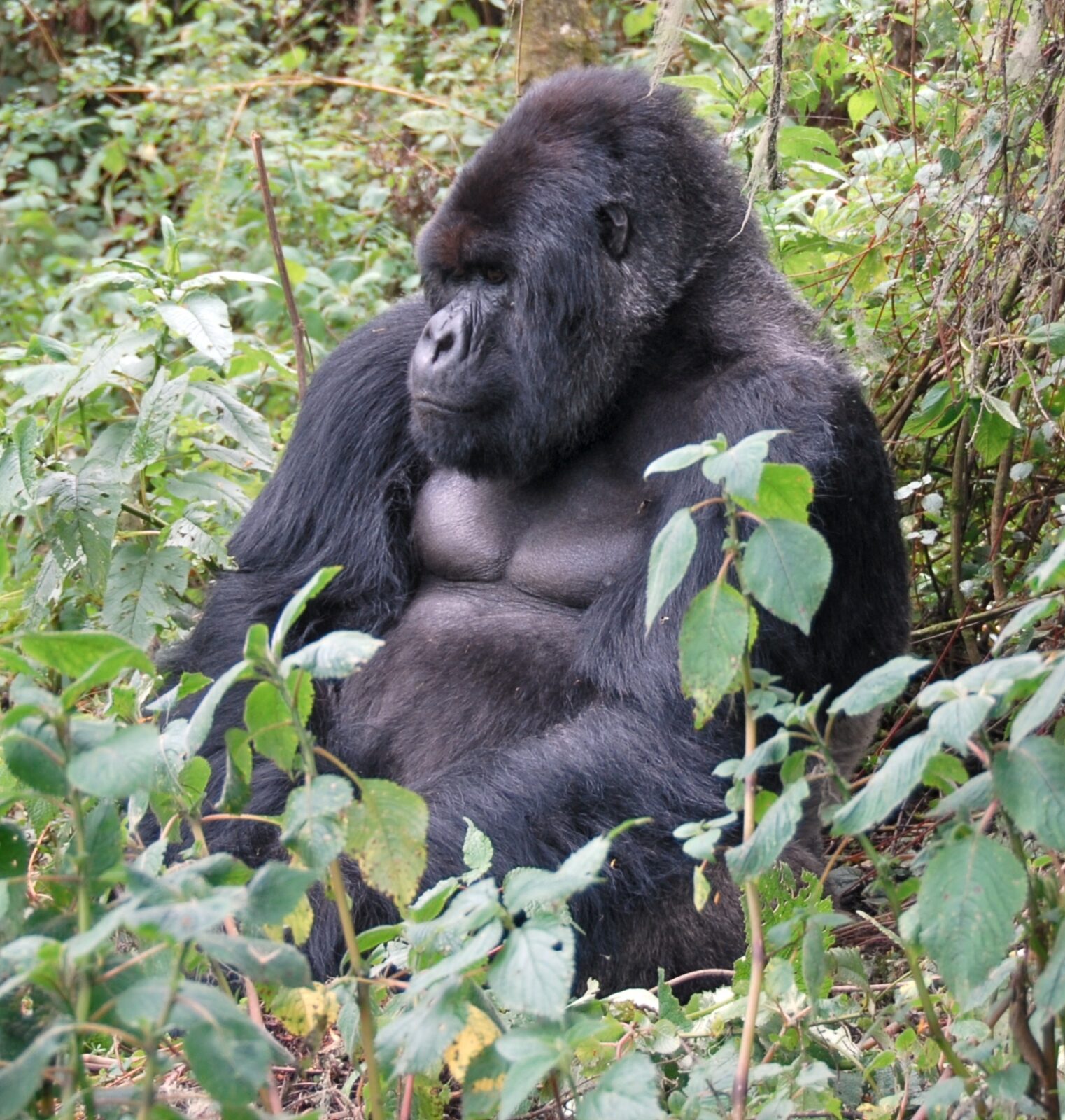
Approaching gorilla trekking as a first-timer, with no prior reference point for what an encounter like this actually involves, naturally brings a genuine mix of excitement and uncertainty about whether it’s truly as safe as experienced trekkers describe. Is gorilla trekking safe for first-timers deserves a clear, specific answer that addresses exactly what makes this experience approachable even without any prior wilderness trekking background.
This guide covers what first-timers should genuinely expect, how the system is designed with newcomers in mind, and how to prepare confidently for your first trek.
The Short Answer: Yes, the System Is Built for This
Gorilla trekking is designed as a structured, guided experience specifically because the vast majority of trekkers, every single day across Uganda, Rwanda, and Congo, are first-timers. The entire system — briefings, ranger guidance, group structure — assumes no prior experience rather than expecting trekkers to arrive already knowledgeable.
What the Pre-Trek Briefing Actually Covers
Every trek begins with a genuinely thorough briefing covering trekking etiquette, safety rules, minimum viewing distance requirements, and what to expect during the encounter itself, specifically designed to bring first-timers fully up to speed before setting off, regardless of how much or how little research you’ve done beforehand.
Why Ranger Guides Exist Specifically for This
Your ranger guide’s entire role centres on managing the experience safely and clearly for trekkers who’ve genuinely never done this before, from navigating the terrain to managing the actual encounter once you reach the gorillas. Trusting this guidance, rather than feeling you need independent wilderness expertise, is precisely how the system is meant to work.
Common First-Timer Concerns, Addressed Honestly
Concerns about physical difficulty, encountering wild gorillas up close, or simply not knowing what to expect are genuinely common among first-timers and are directly addressed by the structured system — physical difficulty is manageable with basic preparation, gorilla encounters are carefully managed by experienced trackers and rangers, and not knowing what to expect is exactly what the pre-trek briefing exists to resolve.
What to Bring on Your First Trek Without Overpacking
First-timers sometimes overpack out of uncertainty about what’s genuinely needed — a focused daypack with water, snacks, rain gear, and basic first aid covers the essentials without unnecessary extra weight, worth confirming against your specific operator’s packing list rather than guessing.
Physical Preparation Worth Doing as a First-Timer
Basic physical preparation — regular walking or light hiking in the weeks before your trip, alongside proper footwear — genuinely helps first-timers approach the trek with more confidence, even without any prior trekking-specific experience to draw on.
What a First Trek Day Actually Looks Like Step by Step
Your first trek day begins with an early morning gathering at park headquarters, followed by the group briefing, allocation to your specific habituated family, and then the guided walk itself with your ranger and tracking team leading the way — a clear, predictable sequence worth knowing in advance so nothing on the actual day feels genuinely unfamiliar.
Why First-Timers Shouldn’t Worry About “Doing It Wrong”
There’s no meaningful way to fundamentally get a first trek “wrong” provided you follow your ranger’s guidance — the structure exists precisely to guide people who’ve never done this before, and worrying excessively about making mistakes tends to detract more from the experience than any actual risk of a genuine problem occurring.
Choosing a Gentler Sector for Your First Trek
Many first-timers specifically choose a sector known for more moderate terrain, like Buhoma, for their first experience, saving more demanding sectors like Nkuringo for a potential future visit once they have a clearer sense of their own trekking capability and preferences.
Why Nervousness Fades Quickly Once the Trek Begins
Most first-timers report that whatever nervousness they felt beforehand fades noticeably once the actual trek is underway, replaced by focus on the physical activity itself and genuine excitement building toward the encounter — worth knowing in advance so pre-trip nerves don’t feel like a sign something is wrong.
How Group Dynamics Work for First-Timers Trekking Together
Since trekking groups are typically assembled from individual bookings sharing the same date, first-timers often find themselves trekking alongside a mix of fellow newcomers and more experienced repeat trekkers, a genuinely reassuring combination that provides both shared first-time camaraderie and the confidence of seeing others who’ve done this before.
What Makes the Actual Gorilla Encounter Feel Safe
Habituated gorilla families have spent years becoming accustomed to structured, respectful human presence specifically so that encounters like yours can happen safely and predictably, a genuine reassurance worth understanding before your first trek rather than approaching the moment with unnecessary anxiety about wild animal unpredictability.
What Experienced Trekkers Wish They’d Known Beforehand
Trekkers on a second or third visit often say, looking back, that their first trek’s biggest source of unnecessary anxiety was simply not knowing what to expect procedurally — worth taking real comfort in the fact that this is precisely what the structured briefing and ranger guidance are designed to resolve for every single first-timer.
How the System Handles Genuine First-Timer Mistakes
Rangers are experienced at gently correcting first-timers who unknowingly get too close, make too much noise, or otherwise deviate from trekking etiquette, treating this as a completely normal part of guiding newcomers rather than a serious problem — worth knowing so you don’t feel unnecessary pressure to get everything perfect from the outset.
Setting Realistic Expectations Before Your First Trek
Going in with realistic expectations — a demanding physical day, genuine weather uncertainty regardless of season, and a profoundly memorable payoff — sets first-timers up for a more satisfying experience than either underestimating the physical demands or overestimating the risk involved.
Final Thoughts for First-Timers Considering This Trip
Gorilla trekking’s entire structure exists to make this experience genuinely approachable for people who’ve never done anything quite like it before, and going in with realistic expectations rather than either excessive anxiety or overconfidence sets first-timers up for the best possible experience.
Frequently Asked Questions
Do I need prior hiking experience before my first gorilla trek?
No — basic fitness and preparation help, but the system is genuinely designed for first-timers with no prior wilderness trekking background at all.
Will the ranger guide explain everything I need to know?
Yes — the pre-trek briefing covers etiquette, safety rules, and what to expect thoroughly, specifically designed to bring newcomers fully up to speed.
Is it normal to feel nervous before a first gorilla trek?
Completely normal, and most first-timers report this nervousness giving way to genuine confidence once the briefing and early parts of the trek are underway.
Should I choose a gentler sector for my first trek specifically?
Many first-timers do, choosing sectors like Buhoma known for more moderate terrain, saving more demanding options for a potential future visit.
What if I accidentally break an etiquette rule during my first trek?
Rangers handle this routinely and gently correct first-timers as a completely normal part of guiding newcomers, not a serious problem — there’s no need to feel pressure to get everything perfect.
What do experienced trekkers say was the biggest source of unnecessary first-trek anxiety?
Most commonly, simply not knowing what to expect procedurally — precisely what the structured pre-trek briefing exists to resolve for every first-timer.
What does a first trek day actually look like step by step?
An early gathering at headquarters, a group briefing, family allocation, then a guided walk with your ranger and tracking team leading the way — a clear, predictable sequence from start to finish overall.
Can I genuinely “do the trek wrong” as a first-timer?
Not in any meaningful way, provided you follow your ranger’s guidance — the whole structure exists specifically to guide people who’ve never done this before.
Will I be trekking only with other first-timers, or with experienced trekkers too?
Usually a mix — groups are assembled from individual bookings sharing the same date, so you’ll often trek alongside both fellow newcomers and repeat trekkers.
How much gear should a first-timer actually pack?
A focused daypack with water, snacks, rain gear, and basic first aid covers the essentials — worth confirming against your operator’s specific packing list rather than overpacking out of uncertainty.
Are most gorilla trekkers actually first-timers?
Yes, genuinely — the vast majority of trekkers on any given day are experiencing this for the first time, which is precisely why the entire system is built around welcoming newcomers confidently.
Does pre-trip nervousness usually fade once the trek actually begins?
Yes, commonly — most first-timers report their nerves giving way to focus and genuine excitement once the trek itself is underway, worth knowing in advance.
Plan the Rest of Your Trip
For a gentler sector well suited to a first trek, this Buhoma permit cost guide is worth reading, alongside this full cost breakdown. For broader planning, this guide on how many days a Uganda trip needs is a useful next read, and this step-by-step Uganda permit booking guide covers the reservation process in depth.