
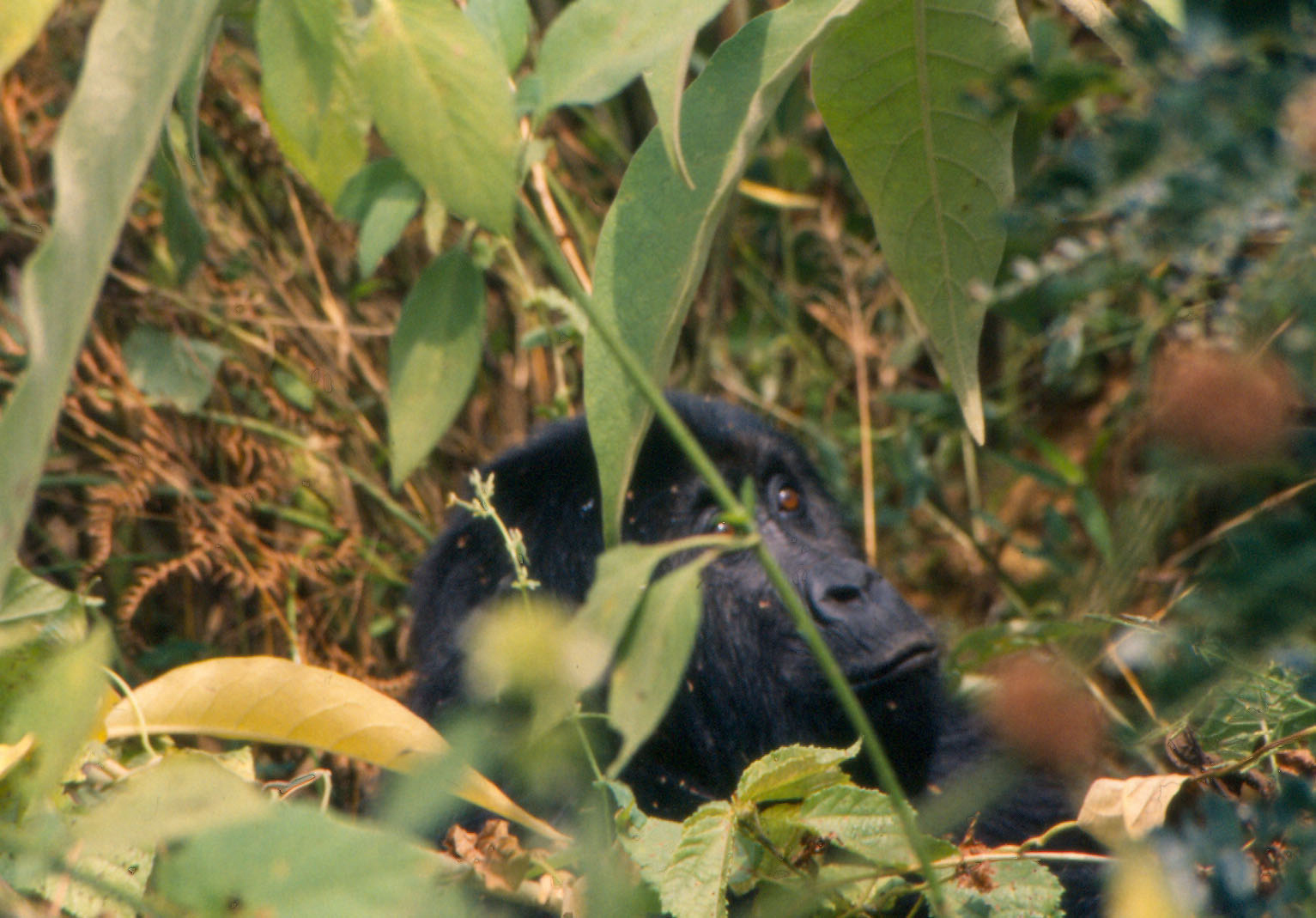
Virunga National Park’s setting in the Democratic Republic of Congo, on the same volcanic range as Rwanda’s side but with its own genuinely distinct access logistics and terrain character, deserves a fitness answer specific to this exact destination rather than one borrowed from its Rwandan neighbor. What fitness level do I need for gorilla trekking in Virunga National Park has a genuinely specific answer shaped by this park’s volcanic slopes, its border-crossing access route, and Congo’s generally more rugged overall trekking infrastructure.
This guide covers Virunga’s actual physical demands, how its terrain and logistics differ from Rwanda’s side of the same mountain range, and how to prepare properly for a trek here.
Why Virunga Deserves Its Own Specific Fitness Answer
Virunga National Park sits on the same volcanic range as Rwanda’s Volcanoes National Park, so the underlying terrain shares real similarities, but Congo’s park infrastructure, access logistics, and general trekking experience differ enough that a fitness answer calibrated purely for Rwanda doesn’t fully transfer – worth understanding Virunga’s own specific realities.
The Short Answer: Good Fitness, Plus Genuine Logistical Stamina
Trekkers need good general fitness comparable to what Rwanda’s side of the mountain range demands, along with a bit more general resilience for Congo’s somewhat less polished overall travel logistics – worth thinking of Virunga’s demand as trek-day fitness plus broader trip-logistics stamina combined.
How Virunga’s Volcanic Terrain Compares to Rwanda’s Side
Sharing the same mountain range means Virunga’s trekking terrain – bamboo forest transitioning into higher volcanic slopes – genuinely resembles Rwanda’s side in physical character, meaning trekkers can reasonably use Rwanda-side trekking accounts as a rough terrain-difficulty reference while still expecting some real differences in trail maintenance and infrastructure polish.
Why Altitude Remains a Real Factor at Virunga
Virunga’s trekking zones sit at genuinely significant elevation, similar to Rwanda’s side of the range, meaning altitude-related breathlessness during exertion is a real, common experience here too – worth taking as seriously as you would for the Rwandan side of the same mountains.
How Border-Crossing Logistics Add to the Overall Physical Demand
Most trekkers access Virunga via a border crossing from Rwanda, meaning your trek day sits within a broader day of travel logistics – border formalities, transfers, and generally less streamlined infrastructure than Rwanda’s side offers – worth budgeting real energy and patience for this surrounding logistics, not just the trek itself.
Why Virunga’s Infrastructure Is Generally Less Polished Than Rwanda’s
Congo’s park authority has historically operated with fewer resources than Rwanda’s, meaning trail maintenance, signage, and general trekking infrastructure are generally less polished – worth mentally preparing for a rawer, less curated experience than Rwanda’s more heavily invested-in trekking system, even where the underlying terrain is comparable.
Building a Preparation Routine for Virunga Specifically
The same cardiovascular and incline-focused conditioning that prepares you well for Rwanda’s side of the mountain range applies directly here, though it’s worth adding genuine mental preparation for less predictable logistics and infrastructure as part of your overall readiness for this specific destination.
Why Porters and Guides Matter Even More at Virunga
Hiring a porter offers the same real physical benefit here as anywhere in the region, while Virunga’s rangers and guides – who have historically shown extraordinary dedication and personal risk protecting this specific park – bring genuinely deep, ground-level terrain knowledge worth relying on fully during your trek.
What a Realistic Trek Day Looks Like at Virunga
A Virunga trek day typically starts earlier than a standard Rwanda-side day to accommodate border-crossing logistics, followed by the standard briefing, guided ascent, viewing hour, and descent – worth planning your overall trip day around this longer total timeline rather than just the trek portion itself.
How Group Size and Trek Pacing Work at Virunga
Given Congo’s generally lower visitor volume compared to Rwanda or Uganda, Virunga trekking groups tend to be smaller, which in practice often allows guides more flexibility to adjust pace to the group’s actual collective fitness level – worth viewing as a genuine practical advantage of this quieter destination.
Why Working With a Congo-Specialist Operator Matters for Fitness Planning
An operator genuinely experienced with Congo specifically, rather than a generalist East Africa operator offering Congo as an occasional add-on, typically has more current, accurate information about trail conditions and realistic fitness expectations – worth prioritizing this specialization when planning your specific trek.
How Weather Affects Virunga’s Physical Difficulty
Similar to Rwanda’s side of the range, wetter months make bamboo forest sections genuinely more slippery here, while drier months offer firmer footing – worth researching current seasonal conditions directly with your Congo-specialist operator given the less standardized information generally available for this destination.
How Congo’s Lower Permit Price Relates to Its Physical Demands
Congo’s historically lower gorilla permit price relative to Rwanda partly reflects a different risk and demand profile rather than an easier physical experience, worth understanding clearly – the terrain and altitude demands genuinely resemble Rwanda’s side of the same volcanic range, so budget travelers shouldn’t mistake a lower price for a physically easier trek.
Why Building Extra Flexibility Into Your Trek Timing Matters Physically
Given Congo’s generally less predictable logistics compared to Rwanda’s more streamlined system, building genuine flexibility into your trek-day timing – rather than a tightly scheduled single-day itinerary – reduces the compounded stress and rushed pacing that can make an already demanding trek feel considerably harder than it needs to.
What Rangers Actually Prioritize When Planning Your Specific Route
Virunga’s rangers combine real-time tracker information about the gorilla family’s current location with your group’s general fitness level to plan a route that’s realistic for the day, much like Rwanda’s system, though worth communicating any specific physical concerns directly and early given the less standardized advance-booking process here.
How a Multi-Day Congo Itinerary Affects Overall Physical Recovery
Trekkers combining a Virunga gorilla trek with other Congo activities, such as a Nyiragongo volcano hike, should genuinely budget real recovery time between these separately demanding activities rather than stacking them back-to-back, since Congo’s overall trip logistics already add a layer of physical and logistical fatigue beyond the gorilla trek alone.
Final Thoughts on Preparing for Virunga’s Specific Demands
Virunga rewards trekkers who prepare for both its genuine physical terrain demands and its broader logistical realities, rather than assuming Rwanda-side research transfers unchanged – genuine cardiovascular conditioning, working with a specialist operator, and building real flexibility into your itinerary make this destination genuinely achievable for well-prepared travelers.
Frequently Asked Questions
Is Virunga’s trekking terrain the same as Rwanda’s side?
Genuinely similar in physical character, since both sit on the same volcanic range, though Congo’s trail infrastructure is generally less polished than Rwanda’s.
Does the border crossing add real physical demand to the day?
Indirectly, yes – it extends your overall day’s logistics and travel time, worth budgeting energy and patience for beyond just the trek itself.
Is altitude as significant a factor at Virunga as at Volcanoes National Park?
Yes, generally comparable – both sit on the same range at similar elevations, so real altitude-related exertion effects apply equally here.
Should I hire a porter for a Virunga trek?
Worth it, yes – the same genuine physical benefit applies here as elsewhere in the region, plus it directly supports the local community.
Are Virunga’s trekking groups smaller than Rwanda’s?
Generally, given lower overall visitor volume, which in practice often allows guides more flexibility to adjust pace to your group’s fitness level.
Should I use a Congo-specialist operator specifically for fitness planning?
Genuinely worth prioritizing – a specialist operator has more current, accurate trail-condition information than a generalist East Africa operator.
Does weather affect Virunga’s difficulty the same way as Rwanda’s side?
Similarly, yes – wetter months bring more slippery bamboo forest sections, worth researching current conditions directly with your operator.
Is Virunga’s overall trekking day longer than Rwanda’s?
Often yes, due to border-crossing logistics extending the total day’s timeline beyond the trek portion itself, worth planning your schedule around.
Do Virunga’s rangers have deep terrain knowledge despite less polished infrastructure?
Genuinely, yes – they’ve historically shown extraordinary dedication to this specific park and bring real ground-level expertise worth relying on fully.
Should I expect a rawer experience than Rwanda’s side?
Reasonably, yes – Congo’s park authority has historically operated with fewer resources, so infrastructure and trail maintenance are generally less curated.
Does Congo’s lower permit price mean an easier physical trek?
No – the price gap reflects a different risk and demand profile, not reduced physical difficulty, which genuinely resembles Rwanda’s side of the range.
Should I combine a Virunga trek with a Nyiragongo volcano hike?
You can, but budget genuine recovery time between them rather than stacking these separately demanding activities back-to-back on consecutive days.
Plan the Rest of Your Trip
For the full cost picture, this Congo cost guide is worth reading, alongside this guide on researching current safety conditions. For further comparison, this Volcanoes National Park fitness guide is a useful next read, and this guide on how many days a Congo trip needs helps you plan your full itinerary.