
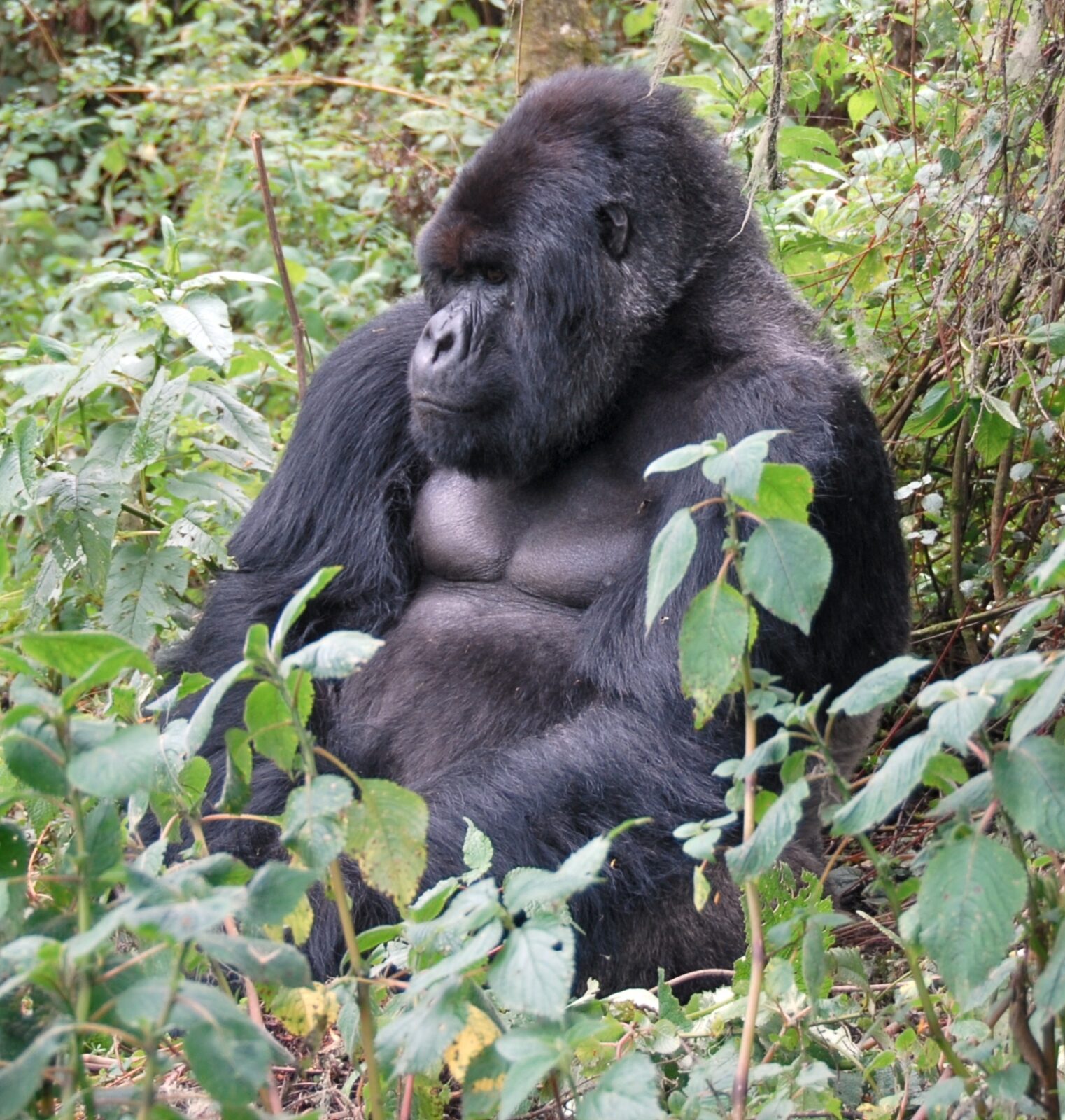
Tripods are a genuine staple of serious wildlife photography, yet gorilla trekking’s specific combination of demanding terrain, close-range subjects, and a brief viewing window raises real questions about whether this bulky piece of equipment actually earns its place in your pack. Should I bring a tripod for gorilla trekking deserves a specific, practical answer rather than generic photography advice.
This guide covers whether a tripod genuinely makes sense for this specific activity, what alternatives actually work better, and how to decide based on your own photography priorities.
Why This Question Genuinely Differs From General Wildlife Photography Advice
Standard wildlife photography advice near-universally recommends tripods, but gorilla trekking’s genuinely demanding terrain and close-range, mobile subjects change this calculation compared to typical stationary long-lens wildlife photography from a vehicle or hide.
The Short Answer: Generally Not Recommended, With Some Specific Exceptions
A full tripod generally isn’t recommended for gorilla trekking specifically, given the terrain’s genuine physical demands and the need for quick repositioning during your brief viewing hour, though specific circumstances might still justify bringing one.
Why Terrain Genuinely Makes Tripods Impractical Here
Bwindi and other trekking destinations’ steep, uneven, often muddy terrain genuinely makes carrying and setting up a full tripod during your trek and viewing time considerably more difficult than in typical open, stable wildlife photography settings.
Why Your Close Proximity to Gorillas Reduces the Genuine Need for Stabilization
Given the maintained viewing distance is relatively close by wildlife photography standards, you’re genuinely less dependent on the extreme telephoto lenses and correspondingly heavy stabilization equipment that necessitate tripods in more distant wildlife photography scenarios.
How Mobility Requirements Genuinely Work Against Tripod Use
Gorillas move, sometimes requiring your group to reposition during your viewing hour, and a full tripod genuinely slows this repositioning process considerably compared to shooting handheld or with more portable stabilization options.
What a Monopod Genuinely Offers as a Practical Alternative
A lightweight monopod genuinely provides meaningful stability support while remaining considerably more portable and quick to reposition than a full tripod, worth considering this specific alternative if you want some stabilization support without the tripod’s full drawbacks.
Why Image Stabilization Technology Reduces the Genuine Need for Tripods
Modern lenses and camera bodies with genuine image stabilization technology meaningfully reduce camera shake even without tripod support, worth prioritizing this technical feature in your equipment choice over bringing additional stabilization gear.
When a Tripod Might Genuinely Still Make Sense
Trekkers specifically prioritizing video recording over still photography, where genuinely steady, extended shots matter more, might still find a compact travel tripod worthwhile, worth considering this specific use case if video is a genuine priority for your trip.
How Weight and Pack Space Genuinely Factor Into This Decision
Given gorilla trekking’s genuine physical demands, adding a tripod’s extra weight to your day pack represents a real trade-off worth weighing honestly against how much you’ll actually benefit from it during your specific brief viewing window.
Why Some Experienced Photographers Skip Tripods Entirely
Photographers who’ve completed multiple gorilla treks increasingly report skipping tripods entirely in favor of handheld shooting with good image stabilization, worth taking this practical, experience-based trend seriously when making your own equipment decisions.
What a Compact Travel Tripod Offers If You Do Decide to Bring One
If you do decide a tripod genuinely matters for your specific priorities, choosing a genuinely lightweight, compact travel model over a heavier professional tripod minimizes the trade-off while still providing meaningful stabilization support when needed.
Why This Reflects a Broader Shift in Wildlife Photography Equipment
The general trend away from heavy tripods toward lighter, more mobile stabilization solutions reflects a broader shift across wildlife photography as camera technology has improved, worth understanding gorilla trekking’s specific equipment recommendations as part of this larger, genuinely evolving photography landscape rather than an isolated quirk.
Why Rangers and Guides Rarely Recommend Tripods for This Activity
Guides consistently note that tripods create genuine practical complications during trekking and viewing time, worth taking this ground-level, practical perspective seriously rather than assuming standard wildlife photography equipment lists apply unchanged here.
Why Steeper Sectors Make Tripod Impracticality Even More Pronounced
Sectors with genuinely steeper, more demanding terrain – Nkuringo and Rushaga specifically – make carrying and using a tripod even more impractical than gentler sectors like Buhoma, worth factoring your specific sector choice into this equipment decision if you’re still weighing the option.
How a Tripod Affects Your Ability to Follow Gorilla Movement
Gorillas genuinely don’t stay still for extended periods, and a tripod’s fixed setup genuinely works against the fluid, reactive shooting style that following natural gorilla behavior actually requires throughout your limited viewing window.
Why Renting Equipment Locally Might Offer a Practical Middle Ground
Some lodges and operators genuinely offer camera equipment rental, including compact tripods or monopods, worth asking about this option if you’re uncertain about purchasing dedicated gear specifically for what might be a one-time trip.
What Video-Focused Trekkers Should Specifically Consider
Trekkers genuinely prioritizing video footage over still photography should consider a gimbal stabilizer as an alternative to a traditional tripod, offering genuine stability for moving shots without a tripod’s fixed-position limitations during your mobile viewing hour.
Why Hand-Holding Technique Matters More Than Equipment for Most Trekkers
Developing genuinely good hand-holding technique – proper grip, breathing control, bracing your elbows against your body – often matters more for image sharpness than any stabilization equipment, worth practicing this technique specifically before your trip.
How Porters Can Help if You Do Bring Additional Equipment
If you do decide additional camera equipment like a tripod or monopod genuinely matters for your priorities, hiring a porter to help carry this extra gear reduces your own physical burden while still allowing you to bring your preferred equipment.
Final Thoughts on Deciding Whether You Need a Tripod
A full tripod generally doesn’t earn its place for most gorilla trekkers, given the terrain’s genuine demands and the need for quick repositioning – worth relying on image stabilization technology and handheld shooting, or considering a lightweight monopod, rather than a traditional tripod for this specific, genuinely mobile activity.
Why This Decision Should Be Made Before You Pack, Not During Your Trek
Deciding genuinely in advance whether a tripod, monopod, or neither suits your specific priorities avoids the common last-minute scramble of packing equipment “just in case” without weighing the real trade-off against pack weight and mobility on a trek that already demands careful gear discipline.
Frequently Asked Questions
Should I bring a full tripod for gorilla trekking?
Generally not recommended – the terrain’s genuine demands and need for quick repositioning make a full tripod impractical for most trekkers.
What’s a better alternative to a full tripod?
A lightweight monopod genuinely offers meaningful stability while remaining considerably more portable and quick to reposition during your hour.
Does image stabilization technology reduce the need for a tripod?
Yes, meaningfully – modern lenses and camera bodies with genuine stabilization technology reduce camera shake even without tripod support.
When might a tripod still make genuine sense for this trip?
If video recording, rather than still photography, is your genuine priority, where steady extended shots matter more than mobility.
Does terrain genuinely make tripods impractical here?
Yes – steep, uneven, often muddy terrain makes carrying and setting up a full tripod considerably harder than typical wildlife photography settings.
Do experienced photographers still bring tripods on repeat treks?
Increasingly, no – many report skipping tripods entirely in favor of handheld shooting with good image stabilization technology instead.
If I do bring a tripod, what type should I choose?
A genuinely lightweight, compact travel model over a heavier professional tripod minimizes the trade-off while still providing support.
Does your close proximity to gorillas reduce the need for a tripod?
Yes, somewhat – the relatively close viewing distance means you’re less dependent on extreme telephoto lenses that typically necessitate tripods.
Do guides generally recommend bringing a tripod?
Rarely – guides consistently note tripods create genuine practical complications during trekking and viewing time for most trekkers.
Does a tripod’s weight genuinely matter given the trek’s demands?
Yes – adding this extra weight to your day pack is a real trade-off worth weighing honestly against how much you’ll actually use it.
Should video-focused trekkers consider a gimbal instead of a tripod?
Worth it, yes – a gimbal stabilizer offers genuine stability for moving shots without a tripod’s fixed-position limitations.
Can I rent camera equipment locally instead of bringing my own?
Some lodges and operators genuinely offer this, worth asking about if you’re uncertain about purchasing dedicated gear for a one-time trip.
Does hand-holding technique matter more than equipment?
Often, yes – proper grip, breathing control, and elbow bracing frequently matter more for genuine sharpness than any stabilization equipment.
Should I hire a porter if I bring a tripod anyway?
Worth considering – a porter reduces your own physical burden while still allowing you to bring the extra gear if it genuinely matters to you.
Plan the Rest of Your Trip
For the full picture on gear, this photography gear guide is worth reading, alongside this low light photography guide. For further preparation, this day pack contents guide is a useful next read, and this backpack size guide covers gear organization.