
Photography Gear for East Africa Safari: What the Pros Carry
Travellers hoping to capture genuinely compelling wildlife photography during their East Africa safari face real decisions about camera equipment, decisions that meaningfully affect both image quality and practical trip logistics given the genuine weight, cost, and complexity tradeoffs different equipment choices involve. Understanding what professional and serious enthusiast photographers actually carry, and why, helps travellers make genuinely informed equipment decisions suited to their own specific photography goals and available budget.
The Camera Body: What Actually Matters
Professional wildlife photographers generally prioritise camera bodies offering genuinely fast autofocus performance, strong low-light capability, and reasonable continuous shooting speed above all else, features that matter considerably more for wildlife photography than raw megapixel count alone, which many enthusiast photographers mistakenly treat as the primary quality indicator. Understanding this priority helps travellers evaluate camera options based on genuinely relevant wildlife photography performance characteristics rather than marketing specifications that don’t necessarily translate into better actual wildlife images.
Lens Selection: The Genuinely Critical Equipment Decision
Lens choice genuinely matters considerably more than camera body selection for wildlife photography specifically, since gorilla trekking and savanna game viewing both typically require significant focal length reach to capture compelling images without disturbing wildlife through overly close approach. Professional photographers typically carry telephoto lenses in the 100-400mm range or longer for savanna wildlife, while gorilla trekking’s mandatory seven-metre minimum distance requirement makes a versatile mid-range telephoto genuinely essential equipment for this specific activity.
Why Gorilla Trekking Presents Distinctive Photography Challenges
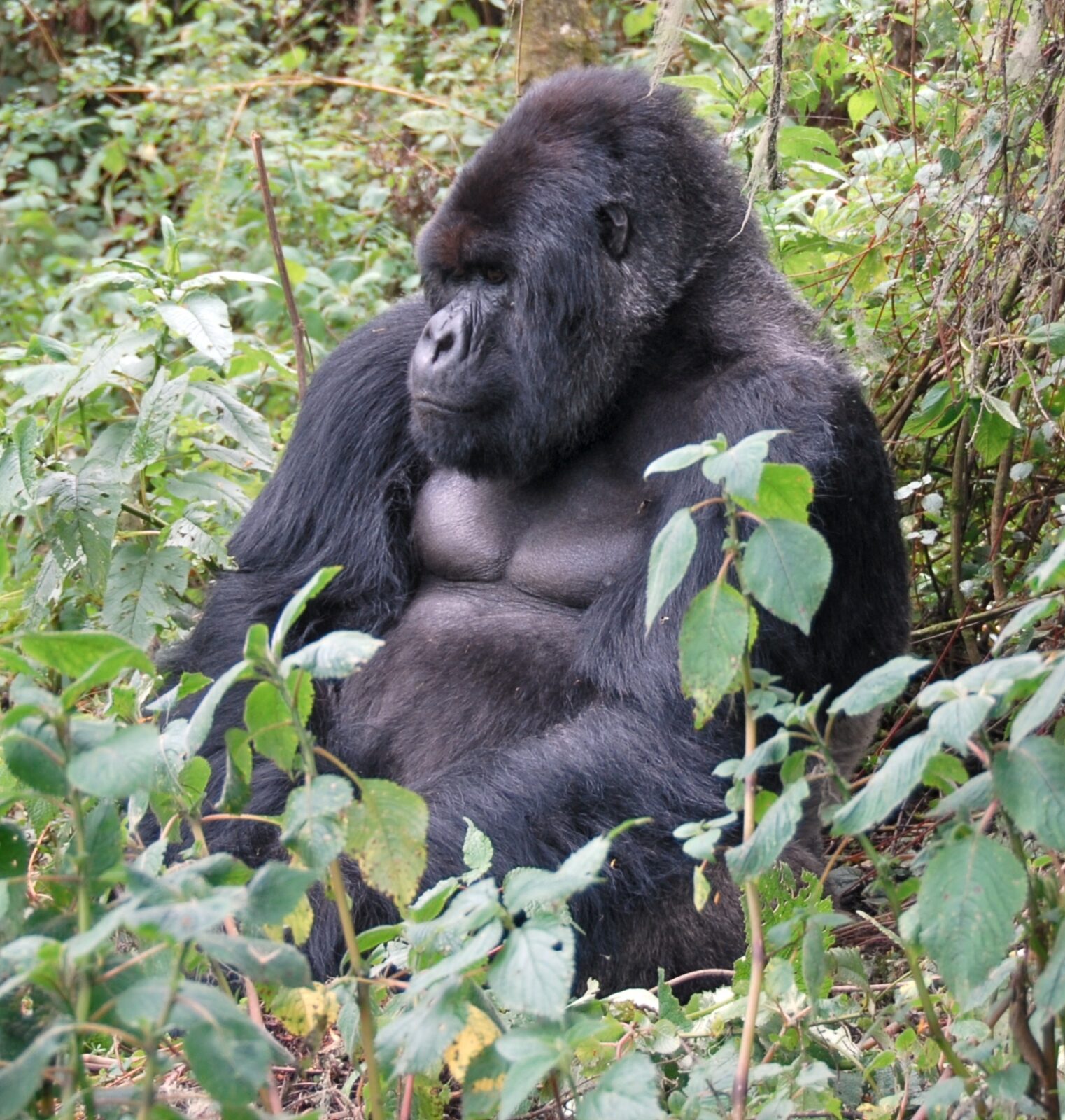
Gorilla trekking’s forest environment presents genuinely distinctive photography challenges compared to open savanna wildlife viewing, including frequently low light conditions beneath dense forest canopy, the mandatory minimum viewing distance limiting extreme close-up framing, and the physical challenge of carrying photography equipment through genuinely demanding trekking terrain. Understanding these specific challenges helps travellers select gorilla trekking photography equipment prioritising low-light performance and reasonable portability over the extreme telephoto reach more relevant to open savanna photography.
Backup Equipment: A Professional Standard Worth Adopting
Professional photographers consistently carry backup equipment, whether a second camera body or at minimum backup batteries, memory cards, and basic cleaning supplies, recognising that equipment failure during an irreplaceable wildlife encounter or gorilla trek represents a genuinely devastating, entirely preventable disappointment. Travellers investing significant expense in a safari trip specifically for photography purposes should genuinely adopt this backup equipment principle, even if their overall equipment kit remains more modest than full professional setups.
Memory Cards and Storage Considerations
Wildlife photography, particularly during active gorilla trekking encounters or exciting game drive moments, genuinely generates substantial image volume quickly, meaning travellers should carry considerably more memory card capacity than they initially estimate necessary, alongside a reliable backup storage solution for offloading images during multi-day itineraries without convenient computer access. This storage capacity planning, while easily overlooked during equipment preparation, prevents the genuine frustration of running out of storage space during an irreplaceable wildlife moment.
Protecting Equipment From Dust and Moisture
East Africa’s safari environments present genuine equipment protection challenges, dust during dry season game drives, and potential moisture during wet season conditions or humid forest trekking environments, meaning appropriate protective equipment, weather-sealed camera bags, lens cloths, and basic rain protection, represents genuinely essential rather than optional safari photography equipment. Travellers should research their specific equipment’s weather sealing capabilities and supplement with appropriate protective accessories for conditions their gear doesn’t inherently handle well.
Weight and Portability Considerations for Gorilla Trekking
Given gorilla trekking’s genuine physical demands, potentially involving several hours of challenging terrain navigation, travellers should honestly weigh photography equipment weight against their own physical capacity, since carrying excessive equipment can genuinely compromise trekking performance and enjoyment. Many experienced gorilla trekking photographers deliberately choose more compact equipment configurations specifically for this activity, accepting some image quality tradeoff in exchange for genuinely manageable equipment weight during demanding trekking conditions.
Porter Services and Equipment Assistance
Travellers concerned about managing photography equipment weight during gorilla trekking should investigate porter services available at most trekking starting points, local community members hired specifically to help carry equipment and provide physical trekking assistance, a genuinely valuable option that both eases the photography equipment burden considerably and provides meaningful income to local communities living near the park. Discussing porter arrangements with your tour operator before your trekking day helps ensure this assistance option is genuinely available when needed.
Renting Equipment Locally as an Alternative
Some travellers choose to rent appropriate telephoto lenses or camera bodies specifically for their safari trip rather than purchasing expensive equipment they might rarely use afterward, an approach that can genuinely make sense for travellers with limited ongoing wildlife photography ambitions beyond this specific trip. Researching reputable equipment rental options well in advance of travel, confirming genuine compatibility with your existing camera body, and testing rented equipment briefly before departure if possible helps ensure this rental approach delivers genuinely satisfactory results during your actual safari.
Tripod and Stabilisation Considerations
While traditional tripods generally prove impractical for gorilla trekking’s mobile forest environment, savanna game drives from stable vehicle platforms sometimes benefit from beanbag supports or specialised vehicle-mount stabilisation accessories that provide meaningful image stabilisation without tripods’ bulk and setup time requirements. Understanding which stabilisation approach genuinely suits each specific safari activity helps travellers pack appropriately targeted equipment rather than generic solutions poorly matched to actual trip activities.
Balancing Equipment Investment Against Realistic Use
Travellers should honestly assess how much genuine ongoing photography interest justifies significant equipment investment purely for a single safari trip, since renting appropriate telephoto equipment for the trip duration sometimes represents a more sensible choice than substantial permanent equipment purchase for travellers without broader ongoing wildlife photography ambitions. This honest cost-benefit assessment helps prevent unnecessary equipment expenditure while still ensuring appropriate capability for capturing genuinely meaningful safari memories.
Bringing This Equipment Knowledge to Your Trip
Understanding what genuinely matters for East Africa safari photography, appropriate lens reach, backup equipment, weather protection, and realistic weight management for gorilla trekking specifically, helps travellers make informed equipment decisions suited to their own photography goals and budget. Travellers planning a Uganda gorilla trekking safari with genuine photography ambitions should discuss equipment recommendations with their tour operator, who can offer specific guidance based on current trekking conditions and the particular parks and activities included in their itinerary.
Smartphone Photography: A Genuinely Viable Alternative
Travellers without genuine ongoing interest in dedicated camera equipment shouldn’t feel this represents an inadequate approach to safari photography, since modern smartphone cameras have improved considerably and can capture genuinely satisfying images for travellers primarily seeking personal memories rather than professional-quality wildlife photography specifically. Understanding that dedicated camera equipment offers genuine advantages primarily for travellers with specific photography ambitions, rather than representing an absolute necessity for every safari traveller, helps prevent unnecessary equipment pressure for those without deeper photography interest.
Editing Software and Post-Processing Considerations
Professional and serious enthusiast photographers typically plan for post-processing their safari images using dedicated editing software, understanding that even excellent raw captures often benefit from thoughtful editing to achieve their full genuine potential. Travellers with serious photography ambitions should consider bringing a laptop capable of basic image review and backup during their trip, alongside familiarising themselves with their chosen editing software before departure rather than attempting to learn unfamiliar tools during limited trip downtime.
Insurance Considerations for Valuable Equipment
Given the genuine value many photographers’ equipment kits represent, travellers should confirm their travel insurance policy adequately covers photography equipment specifically, since some standard travel insurance policies impose meaningful per-item value limits that don’t adequately protect genuinely expensive camera and lens combinations. Reviewing this coverage specifically before departure, and arranging supplemental equipment insurance if needed, provides genuine peace of mind protecting a potentially significant equipment investment throughout your trip.
Learning From Local Guides’ Photography Knowledge
Experienced local guides accompanying gorilla treks and game drives often possess genuinely valuable knowledge about optimal positioning, lighting conditions, and animal behaviour patterns that can meaningfully improve photography opportunities beyond what equipment alone provides. Engaging genuinely with your guide’s expertise, asking about optimal timing and positioning for specific photography goals, often yields more meaningful image quality improvement than any equipment upgrade could achieve on its own.
Practicing Before Your Trip
Travellers investing in new or unfamiliar photography equipment specifically for their safari should genuinely practice using this gear before departure, understanding camera settings, autofocus behaviour, and basic operation well enough that trip time isn’t consumed by unfamiliar equipment troubleshooting during irreplaceable wildlife encounters. This practical preparation, completed well before travel, ensures your equipment investment translates into genuinely improved images rather than frustrated fumbling during time-sensitive photography opportunities.
A Thoughtful Approach to Safari Photography Equipment
Ultimately, the right photography equipment for your East Africa safari depends genuinely on your own photography ambitions, budget, and physical capacity for carrying gear through demanding trekking conditions, rather than any single universally correct equipment configuration applicable to every traveller. Approaching this equipment decision with honest self-assessment of your genuine priorities, informed by the practical guidance discussed throughout this article, helps ensure your photography setup genuinely serves your trip rather than becoming an unwelcome burden detracting from the wildlife experience itself, or from the physical demands the trip already involves.