
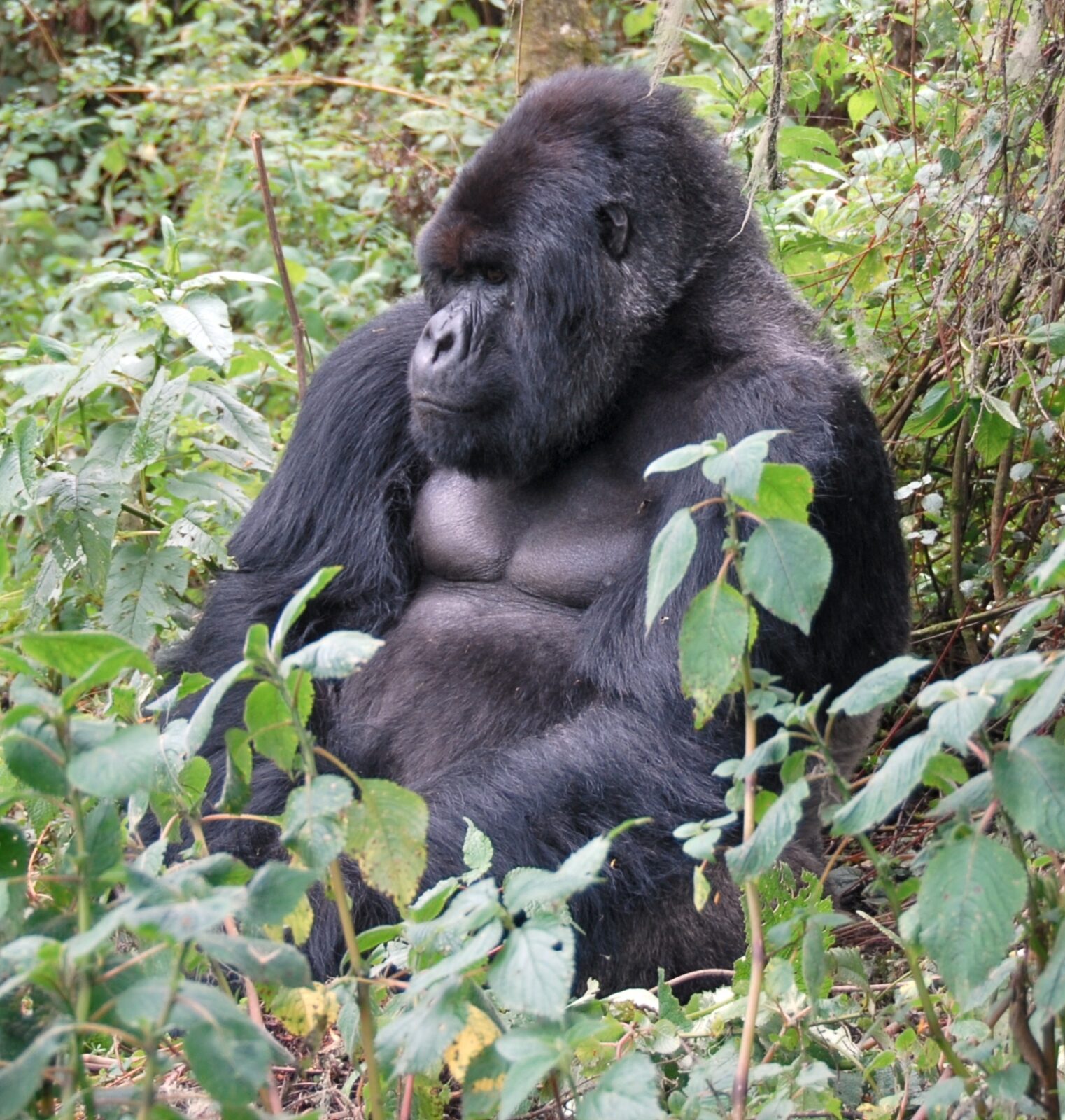
Professional wildlife photographers approach gorilla trekking with a genuinely different level of preparation than casual trekkers, and understanding exactly what this preparation involves offers real, actionable insight for any trekker serious about capturing quality images during their single, brief viewing hour. How do professional photographers prepare for gorilla treks deserves a specific, detailed answer.
This guide covers exactly how professionals genuinely prepare, what equipment and technical decisions they make in advance, and how you can apply this same preparation approach to your own trek.
Why Professional Preparation Genuinely Differs From Casual Trekker Approaches
Professional photographers treat gorilla trekking’s brief, unrepeatable viewing window as a genuinely high-stakes shooting opportunity requiring deliberate advance preparation, worth understanding this mindset shift even if you’re not working professionally yourself.
The Short Answer: Extensive Equipment Testing, Settings Rehearsal, and Physical Conditioning
Professionals genuinely prepare through thorough equipment testing well before departure, rehearsing camera settings in similar low-light conditions, and physical conditioning specifically for the trek’s demanding terrain – worth adopting elements of this systematic approach regardless of your own skill level.
Why Equipment Testing Happens Genuinely Weeks Before Departure
Professionals genuinely test every piece of equipment – camera bodies, lenses, memory cards, batteries – weeks before their trip, identifying and resolving any technical issues while there’s still time to address them rather than discovering problems during their actual limited viewing hour.
How Professionals Genuinely Rehearse Their Camera Settings in Advance
Rather than learning camera settings during the actual trek, professionals genuinely practice their specific aperture, ISO, and shutter speed combinations in comparably low-light conditions beforehand, building real muscle memory that pays off when they can’t afford to fumble with settings.
Why Physical Conditioning Receives Genuine Professional-Level Attention
Professionals genuinely treat physical preparation as seriously as their equipment preparation, understanding that fatigue directly compromises photography quality – shaky hands, poor composition decisions – worth applying this same seriousness to your own fitness preparation regardless of professional ambitions.
How Professionals Genuinely Plan Their Specific Shot List in Advance
Rather than deciding what to photograph in the moment, professionals genuinely arrive with a mental or written shot list – a portrait, a family interaction, environmental context – worth adopting this same deliberate planning approach for your own brief viewing hour.
Why Backup Equipment Genuinely Matters More for Professional Work
Professionals genuinely carry backup camera bodies, extra batteries, and multiple memory cards, understanding that equipment failure during this genuinely unrepeatable opportunity would be professionally devastating, worth considering some backup redundancy even at a more modest, personal scale.
How Professionals Genuinely Research Specific Destinations and Sectors in Advance
Professionals genuinely research specific sectors’ typical terrain, lighting conditions, and known gorilla family characteristics before choosing their destination, worth applying this same research-driven approach when selecting your own sector and trek.
Why Professionals Genuinely Build Buffer Days Into Their Itinerary
Professional photographers genuinely book buffer days or multiple trekking permits specifically to increase their chances of capturing exceptional images across multiple opportunities, worth considering this approach if photography genuinely matters significantly to your own trip goals.
Why Professionals Genuinely Coordinate With Their Operator on Logistics Down to the Detail
Beyond general trip planning, professionals genuinely coordinate specific logistics – exact meeting times, transport arrangements, accommodation proximity to the trailhead – with their operator in granular detail, worth applying this same careful coordination if minimizing avoidable friction on your trek day matters to you.
What Professionals Say About Managing Pre-Trek Anxiety and Focus
Experienced professional photographers consistently emphasize genuine mental preparation – visualizing the shoot, managing pre-trek nerves – as equally important to technical preparation, worth taking this psychological dimension seriously regardless of your own experience level.
How Professionals Genuinely Work With Their Guides and Rangers
Professionals genuinely build rapport with their assigned guide and rangers before the trek begins, communicating their specific photography priorities clearly, worth adopting this same collaborative approach rather than treating your guide as a passive presence during your viewing hour.
Why Professionals Genuinely Study Gorilla Behavior Before Their Trip
Understanding genuine gorilla behavior patterns – feeding habits, social dynamics, typical movement – before your trip helps you anticipate genuinely photogenic moments rather than reacting purely in the moment, worth this same behavioral research regardless of professional ambitions.
Why Professionals Genuinely Pack Redundant Storage Solutions
Beyond backup camera bodies, professionals genuinely carry multiple memory cards and portable storage devices, offloading images throughout their trip rather than relying on a single card, worth adopting this same redundancy given how genuinely irreplaceable your gorilla trekking images actually are.
How Professionals Genuinely Approach Post-Processing Workflow Planning
Professionals genuinely plan their post-processing workflow before their trip, including backup systems for their laptop or editing device while traveling, worth considering this same forward planning if preserving and eventually processing your images matters to your overall trip goals.
Why Professionals Genuinely Study Light Patterns for Their Specific Travel Dates
Understanding genuine seasonal light patterns and typical weather for your specific travel dates helps professionals anticipate likely shooting conditions in advance, worth researching this same seasonal context even if you’re not planning your entire trip around optimal photography conditions.
What Professionals Genuinely Do Differently During the Actual Trek Itself
During the trek itself, professionals genuinely maintain heightened awareness of changing light and gorilla positioning throughout the hike, not just during the viewing hour, worth adopting this same continuous attentiveness rather than only “switching on” photography focus once you reach the gorillas.
Why Professionals Genuinely Debrief and Review Immediately After Their Trek
Professionals genuinely review their images immediately after the trek while memories are fresh, noting what worked and what they’d do differently, worth adopting this same immediate reflection even for a single, once-in-a-lifetime trek rather than only reviewing images much later.
How Professionals Genuinely Balance Technical Preparation With Present-Moment Awareness
Despite extensive technical preparation, professionals genuinely emphasize that being present and responsive during the actual encounter matters more than rigidly following a predetermined plan, worth holding your own preparation loosely enough to adapt to the moment’s actual reality.
Final Thoughts on Preparing Like a Professional Photographer
Professional-level preparation – equipment testing, settings rehearsal, physical conditioning, shot planning, and behavioral research – genuinely applies valuable lessons for any trekker serious about their photography, worth adopting these elements proportionate to your own goals and experience level.
Why This Level of Preparation Extends Beyond Just Photography Skill
Professional-level preparation ultimately reflects genuine respect for a genuinely rare, unrepeatable wildlife encounter, worth understanding this preparation as much about honoring the experience itself as it is about capturing technically superior images, regardless of whether photography is your primary trip motivation.
Frequently Asked Questions
How far in advance do professionals test their equipment?
Genuinely weeks before departure, identifying and resolving technical issues while there’s still time to address them properly.
Do professionals rehearse camera settings before their trip?
Yes, genuinely – practicing specific settings in comparably low-light conditions builds real muscle memory that pays off during the actual trek.
Why does physical conditioning matter for photography specifically?
Fatigue directly compromises photography quality through shaky hands and poor composition decisions, worth taking as seriously as equipment preparation.
Do professionals plan their specific shots in advance?
Yes, genuinely – arriving with a mental or written shot list rather than deciding what to photograph in the moment itself.
Should I carry backup camera equipment like professionals do?
Worth considering at some scale – equipment failure during this genuinely unrepeatable opportunity would be a real, avoidable disappointment.
Do professionals research specific sectors before choosing their destination?
Yes, genuinely – researching terrain, lighting, and known family characteristics helps inform a more deliberate, research-driven destination choice.
Do professionals book multiple trekking days to improve their odds?
Often, yes – buffer days or multiple permits genuinely increase chances of capturing exceptional images across multiple opportunities.
Does mental preparation matter as much as technical preparation?
Professionals consistently say yes – visualizing the shoot and managing pre-trek nerves genuinely matters alongside technical readiness.
Should I communicate my photography priorities to my guide beforehand?
Genuinely worth it – building rapport and communicating priorities clearly helps your guide support your specific goals during the trek.
Does studying gorilla behavior beforehand genuinely help?
Yes – understanding feeding habits, social dynamics, and typical movement helps you anticipate genuinely photogenic moments rather than reacting purely in the moment.
Do professionals carry multiple memory cards for redundancy?
Yes, genuinely – carrying multiple cards and offloading images throughout the trip protects against loss given how irreplaceable these images are.
Should I review my images immediately after my trek?
Worth it, yes – professionals genuinely review while memories are fresh, noting what worked and what they’d do differently next time.
Does technical preparation ever conflict with being present in the moment?
Professionals emphasize holding preparation loosely enough to stay responsive to the actual moment rather than rigidly following a fixed plan throughout.
Plan the Rest of Your Trip
For the full picture on gear, this photography gear guide is worth reading, alongside this low light photography guide. For further preparation, this tripod guide is a useful next read, and this gorilla safari fitness training guide covers physical preparation in more depth.