
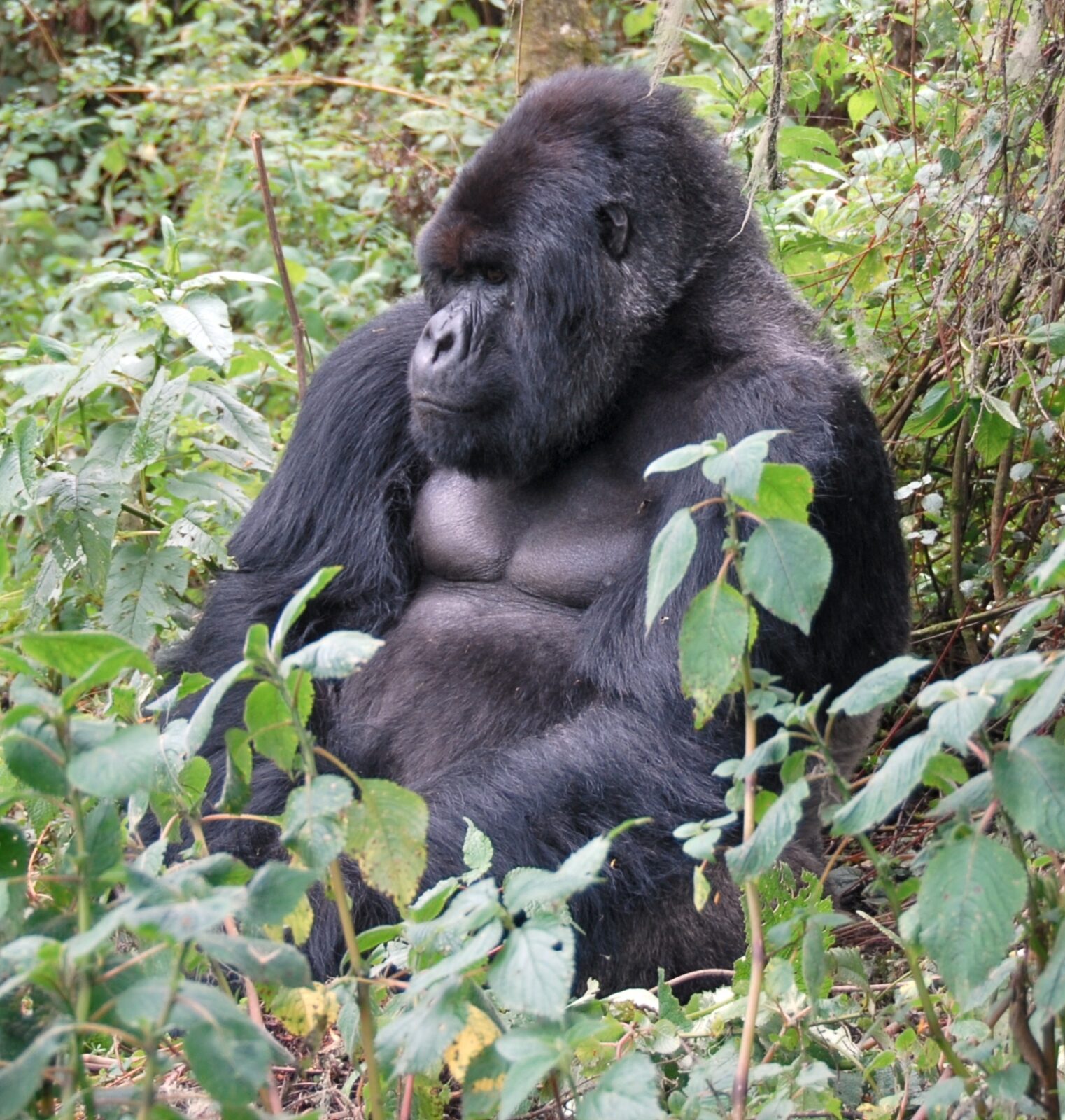
Gorillas moving through dense forest vegetation create a genuinely specific photography challenge distinct from static portrait shots, combining low light, partial obstruction, and genuine subject motion in ways that catch many trekkers off guard when their otherwise sharp images turn blurry. How do I get sharp photos of gorillas moving through forest deserves a specific, technical answer.
This guide covers exactly how to capture sharp images of moving gorillas despite the forest’s genuinely challenging combination of factors, what settings actually work, and how to anticipate movement effectively.
Why Moving Subjects Genuinely Compound Gorilla Photography’s Existing Challenges
Beyond low light alone, genuine subject movement through forest vegetation adds motion blur risk and partial obstruction to an already technically demanding shooting scenario, worth understanding this as requiring specific additional techniques beyond standard low-light settings.
The Short Answer: Faster Shutter Speed, Continuous Autofocus, and Burst Mode
Capturing sharp images of moving gorillas genuinely requires prioritizing a faster shutter speed than static shots would need, continuous autofocus tracking, and burst mode shooting to increase your odds of at least one genuinely sharp frame from a sequence.
Why Shutter Speed Priority Genuinely Matters More for Moving Subjects
Aiming for a minimum shutter speed of 1/500th of a second when gorillas are actively moving, faster than the 1/250th minimum for static subjects, genuinely helps freeze motion despite the trade-off this requires in ISO or aperture settings.
How Continuous Autofocus Tracking Genuinely Helps With Movement
Setting your camera to continuous autofocus tracking mode, rather than single-shot focus, genuinely allows your camera to maintain focus lock as a gorilla moves through the frame, worth configuring this specific setting before you reach viewing distance.
Why Burst Mode Genuinely Increases Your Odds of Success
Shooting in continuous burst mode, capturing multiple frames per second during movement, genuinely increases your statistical odds of capturing at least one perfectly sharp frame from any given sequence of gorilla motion.
How Anticipating Movement Genuinely Improves Your Success Rate
Watching for genuine behavioral cues that precede movement – a shift in weight, a glance toward a new direction – helps you anticipate and prepare your camera before the gorilla actually moves, worth developing this observational skill through practice and patience.
Why Partial Obstruction From Vegetation Requires Genuine Compositional Flexibility
Forest vegetation genuinely partially obstructing your subject requires flexible composition – sometimes embracing foreground elements creatively rather than only seeking completely clear sightlines, worth adjusting your expectations toward this genuinely common forest photography reality.
What Focus Point Selection Genuinely Means for Moving Subjects
Selecting a single, precise focus point rather than relying on wide-area automatic focus selection genuinely gives you more control over exactly what stays sharp as a gorilla moves through varied foreground and background elements.
Why Panning Technique Sometimes Genuinely Works for Gorilla Movement
For gorillas moving laterally across your field of view, a panning technique – moving your camera to track the subject while using a moderately slower shutter speed – can genuinely create a compelling motion-blur background effect while keeping your subject sharp.
How ISO Adjustment Genuinely Balances Against Faster Shutter Speeds
Given the faster shutter speed movement requires, genuinely pushing ISO higher than you might for static shots becomes necessary to maintain proper exposure, worth accepting this trade-off as the correct technical choice for this specific scenario.
Why Practicing on Moving Subjects Before Your Trip Genuinely Helps
Practicing continuous autofocus and burst mode techniques on genuinely moving subjects before your trip – pets, wildlife at a local park, even moving vehicles – builds real technical familiarity that translates directly to your gorilla trekking experience.
What Professional Photographers Say About Capturing Movement
Professional wildlife photographers consistently emphasize accepting a lower keeper rate – the percentage of genuinely sharp images from a shooting session – as normal for moving subjects, worth adjusting your own expectations toward this realistic professional standard.
Why Lens Choice Genuinely Affects Your Ability to Capture Sharp Movement
A lens with genuinely fast, reliable autofocus performance, rather than one optimized purely for image quality at the expense of focus speed, matters more for moving-subject photography specifically, worth prioritizing this specification if capturing gorilla movement genuinely matters to your photography goals.
How Vibration Reduction Technology Genuinely Helps With Handheld Shooting
Lenses or camera bodies with genuine vibration reduction or image stabilization technology meaningfully help compensate for handheld camera shake even at the faster shutter speeds movement photography requires, worth prioritizing this feature alongside autofocus performance.
Why Predictive Autofocus Modes Genuinely Outperform Basic Tracking
Some cameras offer predictive autofocus modes that genuinely anticipate a subject’s continued movement trajectory rather than simply tracking its current position, worth researching whether your specific camera model offers this more advanced feature and how to configure it properly.
How Framing Wider Genuinely Gives You More Cropping Flexibility Later
Composing your shot slightly wider than a tight portrait crop genuinely gives you more flexibility to crop and reframe during post-processing if your subject moves unexpectedly within the frame, worth adopting this practical buffer specifically for moving-subject scenarios.
Why Understanding Your Camera’s Specific Autofocus Limitations Matters
Every camera model has genuine autofocus performance limitations specific to its sensor and processor, worth understanding your own equipment’s specific capabilities and limitations through practice before your trip rather than discovering them during your limited viewing hour.
What Video Mode Offers as an Alternative Capture Strategy
Some trekkers genuinely supplement still photography with video capture specifically during moments of active gorilla movement, later extracting still frames from video footage as an alternative approach to capturing genuinely sharp moments from continuous motion.
Final Thoughts on Capturing Sharp Photos of Moving Gorillas
Gorilla movement through forest vegetation genuinely rewards photographers who prioritize faster shutter speeds, continuous autofocus, and burst mode shooting, combined with genuine behavioral anticipation skills – worth practicing these specific techniques before your trip so you’re ready when the moment actually happens.
Why Accepting Imperfect Frames Genuinely Improves Your Overall Experience
Trekkers who accept that not every frame of a moving gorilla will turn out perfectly sharp, rather than feeling frustrated by an inevitable percentage of missed shots, genuinely enjoy their limited viewing hour more than those fixated on capturing a flawless sequence throughout.
Frequently Asked Questions
What shutter speed should I use for moving gorillas specifically?
A minimum of 1/500th of a second, faster than the 1/250th minimum for static subjects, genuinely helps freeze motion despite other trade-offs.
Should I use continuous or single-shot autofocus for movement?
Continuous autofocus tracking, genuinely allowing your camera to maintain focus lock as the gorilla moves through the frame.
Does burst mode genuinely improve my odds of a sharp image?
Yes, meaningfully – capturing multiple frames per second increases your statistical odds of at least one perfectly sharp frame from a sequence.
How can I anticipate gorilla movement before it happens?
Watch for genuine behavioral cues – a weight shift, a glance toward a new direction – that typically precede actual movement.
Should I always seek a completely clear sightline?
Not necessarily – flexible composition that sometimes embraces foreground vegetation creatively suits forest photography’s genuine reality better.
Does higher ISO become necessary for moving subjects?
Yes, genuinely – the faster shutter speed movement requires means pushing ISO higher becomes necessary to maintain proper exposure overall.
What is panning technique and does it work for gorillas?
Moving your camera to track lateral movement with a moderately slower shutter speed, which can create a compelling motion-blur background effect.
Should I practice these techniques before my trip?
Genuinely worth it – practicing on moving subjects beforehand builds real technical familiarity that translates directly to your actual trek.
What keeper rate should I realistically expect for moving subjects?
Professionals consistently accept a lower keeper rate as normal for moving subjects, worth adjusting your own expectations accordingly.
Should I use a single focus point or wide-area autofocus?
A single, precise focus point genuinely gives you more control over exactly what stays sharp amid varied foreground and background elements.
Does lens autofocus speed matter more than image quality for this scenario?
Genuinely, yes – fast, reliable autofocus performance matters more specifically for capturing moving subjects than raw optical image quality alone.
Should I compose my shots wider to allow for cropping later?
Worth it, yes – a wider composition gives you flexibility to crop and reframe if your subject moves unexpectedly within the frame.
Can video capture help me get sharp still images of movement?
Some trekkers genuinely use this approach – extracting still frames from video footage as an alternative way to capture sharp motion moments effectively.
Should I feel discouraged if not every movement shot turns out sharp?
No – accepting an inevitable percentage of missed shots helps you enjoy your limited viewing hour more than chasing a flawless sequence.
Plan the Rest of Your Trip
For the full picture on technique, this low light photography guide is worth reading, alongside this guide on professional preparation. For further planning, this photography gear guide is a useful next read, and this photography rules guide covers the behavioral rules to follow.