
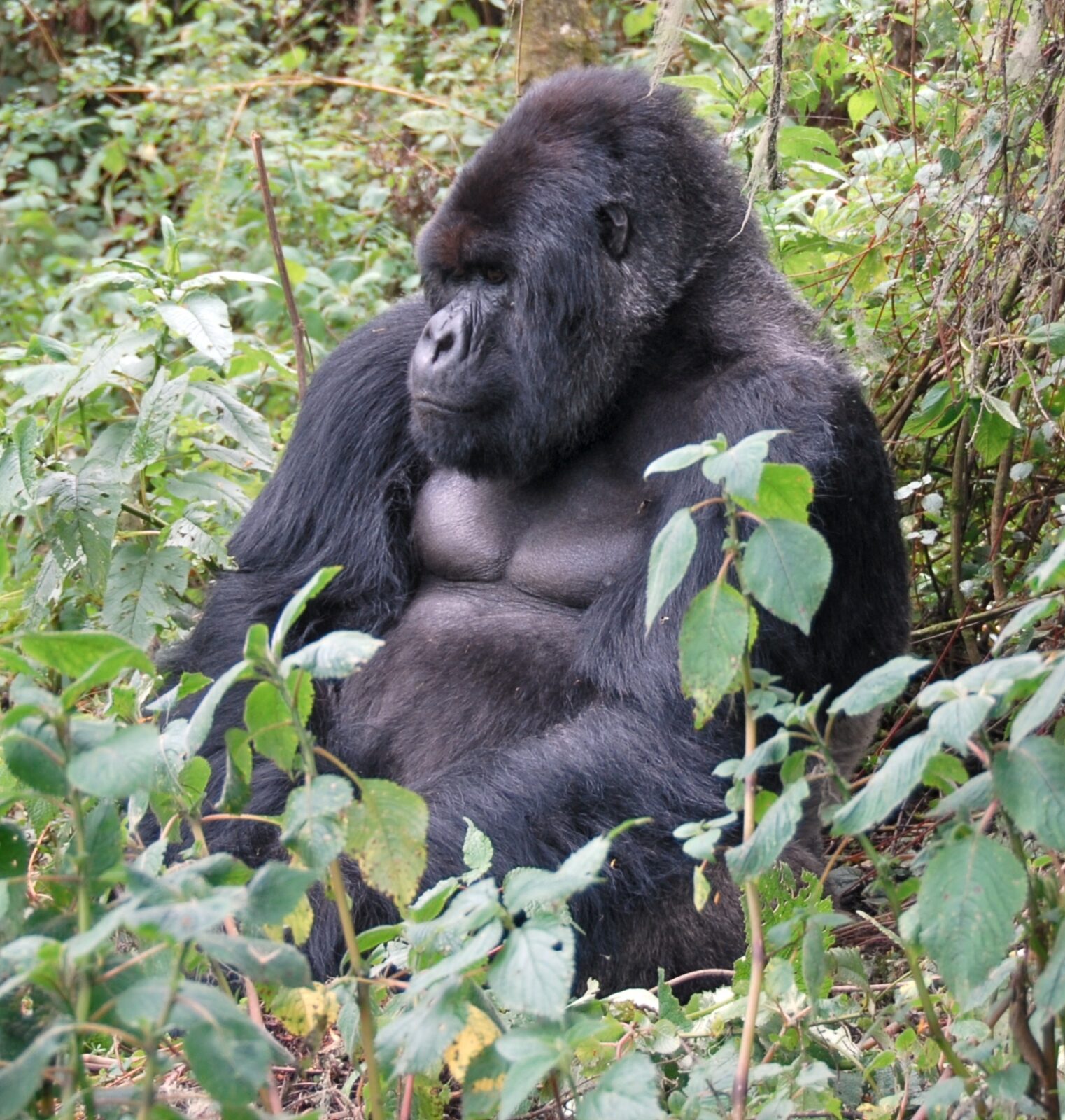
Do All Gorilla Families Behave the Same Way Toward Visitors?
Trekkers who research gorilla trekking extensively sometimes genuinely assume every habituated gorilla family behaves identically toward visitors, when genuine individual and group-level variation actually shapes each specific trekking experience quite meaningfully. Do all gorilla families behave the same way toward visitors deserves an honest, detailed answer covering this genuine variation.
This guide covers how gorilla family behavior genuinely varies, what specifically drives these differences, and how this affects what you should realistically expect from your specific trek day.
Why Gorilla Families Genuinely Develop Distinct Group Personalities Over Time
Given that each habituated gorilla family genuinely develops its own group dynamic over years of habituation and ranger interaction, families genuinely differ meaningfully in their typical calmness, curiosity, and general comfort level around visiting trekkers.
The Short Answer: Genuine Variation Exists, Though All Habituated Families Meet Baseline Standards
While every habituated family genuinely meets the baseline behavioral standards required for trekking access, real variation exists in specific families’ typical activity level, proximity comfort, and how individual members respond to visitor presence on any given day.
How the Dominant Silverback’s Temperament Genuinely Shapes the Whole Family’s Behavior
Given that the dominant silverback genuinely sets much of a family’s overall tone, families led by genuinely more relaxed, experienced silverbacks tend toward calmer, more predictable visitor interactions than families with younger or more recently established leaders.
Why Younger Family Members Genuinely Introduce More Unpredictable Behavior
Given that juvenile and infant gorillas genuinely display more curious, playful, and occasionally unpredictable behavior than mature adults, families with genuinely more young members sometimes offer more dynamic, entertaining, though slightly less predictable, viewing experiences.
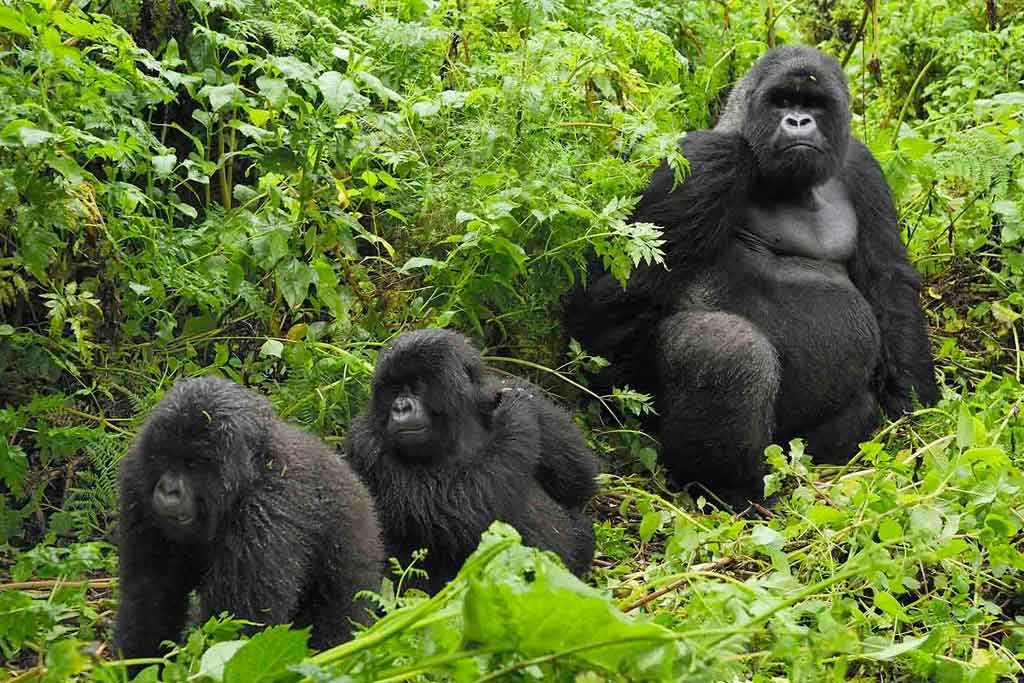 How Habituation Duration Genuinely Affects a Family’s Typical Comfort With Visitors
Given that families habituated for genuinely longer periods have had more cumulative time adjusting to human presence, these longer-habituated families sometimes display genuinely calmer, more consistent behavior than more recently habituated groups still adjusting.
Why Individual Days Genuinely Still Vary Even Within the Same Family
Given that gorilla behavior genuinely responds to daily factors like recent feeding, weather, and internal group dynamics, even the same specific family genuinely behaves somewhat differently from one trekking day to the next, worth setting realistic expectations around this daily variation.
How Rangers’ Deep Familiarity Genuinely Helps Manage This Natural Variation
Given that rangers genuinely develop deep, individual familiarity with “their” specific families over years of daily contact, this expertise genuinely helps rangers read and appropriately manage each family’s particular behavioral tendencies during every trek.
Why Some Families Genuinely Develop Reputations Among Guides and Repeat Trekkers
Given that guides and frequent trekkers genuinely observe patterns over many visits, certain families genuinely develop informal reputations – some known for particular calmness, others for more active, engaging behavior – worth asking your guide about this if curious.
What Genuinely Determines Which Specific Family You’ll Actually Trek
Given that permit allocation genuinely assigns you to a specific family within your chosen sector, you generally don’t choose which particular family’s behavioral tendencies you’ll experience, worth accepting this genuine unpredictability as part of the wild trekking experience.
How This Genuine Variation Actually Enhances Rather Than Diminishes the Experience
Given that this genuine behavioral variation reflects real, wild animal individuality rather than a scripted, uniform experience, many trekkers genuinely find this unpredictability adds authenticity and excitement rather than detracting from their overall trekking experience.
What Rangers and Guides Say About Family Behavioral Differences
Guides consistently describe genuine enthusiasm for each family’s distinct personality, noting that this variation genuinely keeps their own work interesting after years of daily trekking, worth appreciating this professional perspective on the diversity you might encounter.
Why Managing Your Expectations Around This Variation Genuinely Matters
Given this genuine behavioral variation, worth entering your trek with realistic, flexible expectations rather than assuming a specific, predetermined experience, since the actual behavior you witness genuinely depends on your assigned family’s particular characteristics that day.
Why Photographers Specifically Should Genuinely Understand This Variation
Given that photographers genuinely benefit from understanding how family behavior variation affects available shooting opportunities, more active families genuinely offer different photographic possibilities than calmer, more sedentary families, worth factoring this into your expectations if photography specifically matters to your trip.
Final Thoughts on Whether Gorilla Families Behave the Same Way
Gorilla families genuinely display real behavioral variation shaped by leadership, age composition, habituation history, and daily factors – worth appreciating this authentic diversity as part of what makes each specific trekking experience genuinely unique.
How Weather Conditions Genuinely Influence a Family’s Behavior on Trek Day
Given that gorillas genuinely respond to weather much like other animals, families sometimes display more subdued, sheltering behavior during rain and more active, visible behavior during clear, sunny conditions, worth factoring this into your expectations for any specific trek day.
Why Recent Feeding Patterns Genuinely Affect a Family’s Activity Level
Given that gorillas genuinely spend much of their day foraging and eating, a family encountered during active feeding sometimes displays less movement and interaction than one encountered during rest periods, worth understanding this natural behavioral rhythm as part of what you might witness.
What Group Size Genuinely Means for the Type of Behavior You’ll Observe
Given that larger families genuinely offer more individual gorillas to observe simultaneously, while smaller families sometimes offer more focused, intimate observation of fewer individuals, this genuine size variation also shapes the overall character of your specific viewing experience.
Frequently Asked Questions
Does weather genuinely affect a family’s behavior on trek day?
Yes, genuinely – families sometimes show subdued, sheltering behavior in rain versus more active behavior during clear conditions.
Do all gorilla families genuinely behave identically toward visitors?
No, genuinely not – real variation exists in calmness, activity level, and proximity comfort, though all meet baseline behavioral standards.
Does the dominant silverback genuinely shape the family’s overall behavior?
Yes, significantly – more relaxed, experienced silverbacks tend toward calmer, more predictable family behavior overall.
Do families with more young members behave more unpredictably?
Somewhat, yes – juveniles and infants display more curious, playful behavior than mature adults, adding dynamism to viewing.
Does longer habituation genuinely mean calmer behavior?
Generally, yes – families habituated longer have had more cumulative time adjusting to human presence and visitor interaction.
Does behavior vary even within the same family day to day?
Yes, genuinely – feeding, weather, and internal dynamics genuinely affect even the same family’s behavior from day to day.
Do rangers genuinely know individual families’ behavioral tendencies?
Yes, genuinely – deep familiarity from years of daily contact helps rangers appropriately manage each family’s specific tendencies.
Do some families develop reputations among guides and repeat trekkers?
Genuinely, yes – certain families become known for particular calmness or more active, engaging behavior over many visits.
Can I choose which specific family I trek based on behavior?
Generally, no – permit allocation assigns you to a specific family within your sector, without behavioral choice involved.
Does this genuine variation make the experience less enjoyable?
Not for most trekkers – many find this authentic unpredictability adds excitement rather than detracting from their experience.
What do guides say about family behavioral differences?
They consistently express genuine enthusiasm, noting this variation keeps their work interesting after years of daily trekking.
Should I manage my expectations around this genuine variation?
Genuinely worth it – enter with flexible expectations rather than assuming a specific, predetermined behavioral experience overall.
Do all habituated families at least meet a baseline behavioral standard?
Yes, genuinely – habituation itself ensures a baseline comfort level with human presence required for trekking access.
Is this variation considered a genuine positive by most trekkers?
Generally, yes – most trekkers appreciate this authentic wildlife individuality as part of the real, unscripted overall experience.
Does asking your guide about a family’s tendencies genuinely help?
Worth trying, yes – guides’ deep familiarity means they can often share genuine insight into your specific assigned family.
What’s the most important takeaway about this behavioral variation?
That genuine individuality exists across families – worth embracing this as part of the authentic, wild nature of the experience.
Does recent feeding affect a family’s activity level during your visit?
Yes, genuinely – families encountered during active feeding sometimes show less movement than those encountered during rest.
Does group size genuinely shape the character of your viewing experience?
Yes, genuinely – larger families offer more individuals to observe, while smaller families offer more focused, intimate viewing.
Should photographers specifically understand this behavioral variation?
Genuinely worth it – more active families offer different photographic opportunities than calmer, more sedentary families.
Should first-time trekkers worry about unpredictable family behavior?
Not genuinely – rangers manage this variation expertly, and baseline behavioral standards apply consistently across every family.
Plan the Rest of Your Trip
For the full cost picture, this full cost breakdown is worth reading, alongside this guide on rules when you see gorillas. For further planning, this gorilla habituation guide is a useful next read, and this ranger role guide covers the experts who know these families best.