
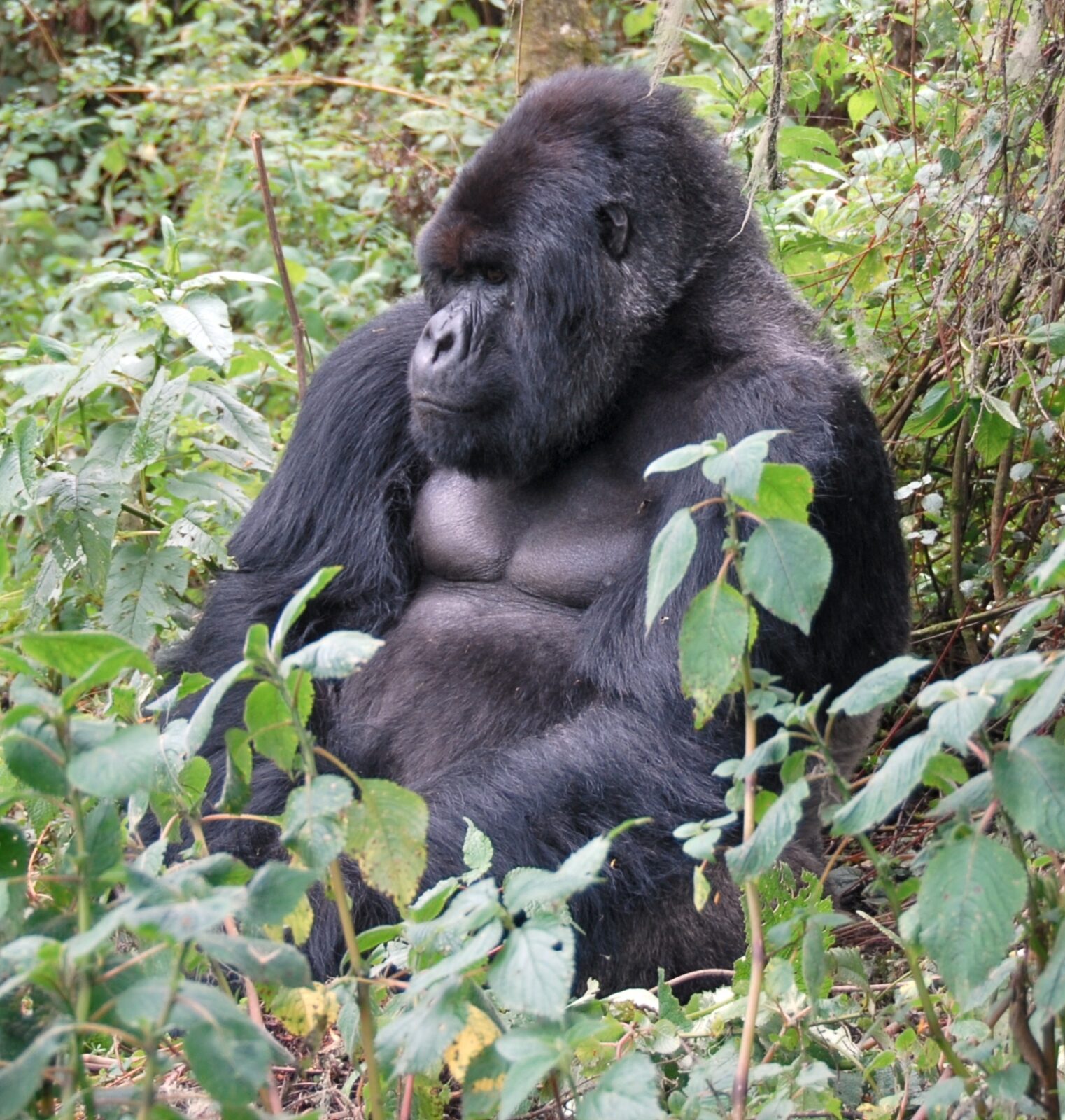
Do Gorillas Live Only in Uganda, Rwanda, and Congo?
Mountain gorillas’ genuinely narrow wild habitat, confined to a specific set of forest ecosystems shared across just three countries, surprises many trekkers who assume gorillas exist more broadly across Africa. Do gorillas live only in these specific locations deserves a clear, factual answer covering the genuinely limited geographic reality of wild mountain gorilla habitat.
This guide covers where mountain gorillas genuinely live in the wild, why this habitat is so narrow, and what this means for anyone planning to see them.
Why Mountain Gorillas’ Wild Habitat Is Genuinely This Narrow
Given mountain gorillas’ genuinely specific ecological requirements – high-altitude forest, particular vegetation, protected status – their wild range has genuinely always been narrow, confined specifically to the shared Virunga Massif and Bwindi ecosystems rather than spread broadly across Africa.
The Short Answer: Only Three Specific Regions Across Three Countries
Wild mountain gorillas genuinely exist only in Bwindi Impenetrable and Mgahinga Gorilla National Parks in Uganda, Volcanoes National Park in Rwanda, and Virunga National Park in Congo – nowhere else in the wild, worth understanding this genuinely narrow geographic reality.
How Bwindi Genuinely Represents a Distinct Population From the Virunga Massif
Given that Bwindi’s mountain gorilla population genuinely represents a distinct group from the Virunga Massif population shared across Mgahinga, Volcanoes NP, and Virunga NP, these are genuinely two separate wild populations rather than one single continuous range.
Why the Virunga Massif Genuinely Spans Three Countries as One Shared Ecosystem
Given that the Virunga Massif’s volcanic mountain range genuinely straddles the borders of Uganda, Rwanda, and Congo without regard to national boundaries, the gorilla population here genuinely moves across these borders as part of one continuous shared habitat.
How This Genuinely Differs From Where Other Gorilla Species Live
Given that mountain gorillas genuinely represent just one of several gorilla subspecies, with western lowland and eastern lowland gorillas inhabiting genuinely different, more geographically extensive regions of Central and West Africa, this myth sometimes stems from conflating these genuinely distinct gorilla populations.
 Why Zoos and Sanctuaries Genuinely Don’t Count as “Living” in Additional Locations
Given that captive gorillas in zoos worldwide genuinely represent a completely different context from wild habitat, this myth specifically concerns where gorillas genuinely exist in their natural wild state, not captive populations housed elsewhere for conservation or exhibition purposes.
How Historical Range Genuinely Differed From Today’s Narrower Distribution
Given that mountain gorillas’ historical range genuinely extended somewhat beyond today’s current protected boundaries before habitat loss and human encroachment narrowed their distribution, today’s genuinely limited range reflects this historical contraction rather than an always-fixed boundary.
Why This Narrow Range Genuinely Makes Conservation Especially Critical
Given how genuinely narrow and specific mountain gorillas’ remaining wild habitat is, protecting these particular forest ecosystems specifically matters more than it might for a species with a broader, more distributed range across multiple regions.
What This Geographic Reality Genuinely Means for Trekking Planning
Given this genuinely narrow habitat reality, trekkers planning to see wild mountain gorillas genuinely have exactly these three countries as their only real options, worth understanding this constraint clearly rather than assuming broader geographic flexibility exists.
How Cross-Border Movement Genuinely Affects Which Specific Country You’ll Trek In
Given that gorilla families genuinely sometimes move across the Uganda-Rwanda-Congo borders within the shared Virunga Massif ecosystem, which specific country’s park you trek in genuinely depends on where a particular family happens to be at the time, managed by each country’s own ranger teams.
What Rangers and Conservation Officials Say About This Narrow Range
Conservation officials consistently emphasize how genuinely precious and irreplaceable this narrow habitat is, given that mountain gorillas genuinely cannot simply be relocated or reintroduced to new regions outside their specific ecological requirements.
Why Understanding This Narrow Range Genuinely Enriches Your Trekking Experience
Given how genuinely rare and geographically constrained this experience actually is, understanding mountain gorillas’ narrow wild range genuinely adds meaningful context and appreciation to your specific trekking experience beyond simply viewing the animals themselves.
Why This Narrow Habitat Genuinely Shapes the Whole Trekking Industry’s Structure
Given how directly this narrow geographic reality genuinely shapes everything from permit scarcity to the specific structure of Uganda, Rwanda, and Congo’s tourism industries, understanding this foundational fact genuinely helps explain many of the practical realities trekkers encounter throughout their planning.
Final Thoughts on Where Mountain Gorillas Genuinely Live
Mountain gorillas genuinely live wild only across this specific, narrow set of forest ecosystems spanning Uganda, Rwanda, and Congo – worth appreciating both how rare this geographic reality is and what it means for planning your specific trekking experience.
How Elevation Genuinely Defines This Narrow Habitat’s Boundaries
Given that mountain gorillas genuinely thrive specifically within a particular elevation band on these volcanic and forested slopes, this elevation requirement itself genuinely helps explain why their range stays so narrow rather than extending into surrounding lower-elevation terrain nearby.
Why This Population Count Genuinely Remains Small Despite Recent Recovery
Given that mountain gorillas genuinely number only in the low thousands worldwide despite recent conservation-driven population recovery, this genuinely small total population across such a narrow range underscores just how precious and vulnerable this specific species remains.
What Researchers Genuinely Continue Learning About This Habitat’s Boundaries
Given that conservation researchers genuinely continue studying exactly how gorilla families use and move within this narrow shared habitat, ongoing research genuinely refines understanding of these boundaries and informs conservation strategy across all three countries.
Frequently Asked Questions
Does elevation genuinely help define this narrow habitat’s boundaries?
Yes, genuinely – a specific elevation band on these volcanic and forested slopes helps explain why the range stays this narrow.
Where do wild mountain gorillas genuinely live?
Only in Bwindi and Mgahinga in Uganda, Volcanoes National Park in Rwanda, and Virunga National Park in Congo – nowhere else in the wild.
Are Bwindi’s gorillas genuinely the same population as the Virunga Massif’s?
No, genuinely distinct – Bwindi represents a separate population from the shared Mgahinga/Volcanoes NP/Virunga NP group.
Does the Virunga Massif genuinely span multiple countries?
Yes, genuinely – this volcanic range straddles Uganda, Rwanda, and Congo as one continuous, shared ecosystem for the gorillas.
Do other gorilla species live in different regions?
Yes, genuinely – western and eastern lowland gorillas inhabit different, more extensive regions of Central and West Africa.
Do zoo populations count as living in additional wild locations?
No, genuinely not – this concerns wild habitat specifically, not captive populations housed elsewhere for other purposes.
Has this range always been this narrow historically?
Not entirely – historical range extended somewhat further before habitat loss and encroachment narrowed today’s boundaries.
Does this narrow range make conservation more critical?
Genuinely, yes – protecting these specific ecosystems matters more given how limited and irreplaceable this remaining habitat genuinely is.
Can gorilla families move across the Uganda-Rwanda-Congo borders?
Yes, genuinely – within the shared Virunga Massif, families sometimes move across these borders as part of one ecosystem.
Does this affect which country I’ll actually trek in?
Somewhat – which specific park you trek at depends on where a family currently is, managed by each country’s ranger teams.
What do conservation officials say about this narrow habitat?
They consistently emphasize how precious and irreplaceable it is, given gorillas cannot simply be relocated elsewhere.
Are these truly the only three countries where wild gorillas exist?
Yes, genuinely – Uganda, Rwanda, and Congo represent the complete geographic range for wild mountain gorillas specifically.
Does understanding this range add value to my trekking experience?
Genuinely, yes – appreciating this rarity adds meaningful context beyond simply viewing the animals during your trek.
Is this myth sometimes based on confusing gorilla subspecies?
Yes, genuinely – conflating mountain gorillas with more widely distributed lowland gorilla populations sometimes causes this confusion.
Should I plan my trip around only these three specific countries?
Yes, genuinely – no other wild location exists for mountain gorillas specifically, so plan around this genuine geographic reality directly.
Is this narrow range unique among great ape species?
Genuinely narrow, yes – worth appreciating this specific ecological rarity as part of what makes gorilla trekking so genuinely special.
Does the total mountain gorilla population remain genuinely small?
Yes, genuinely – only in the low thousands worldwide despite recent recovery, underscoring how precious this species remains.
Do researchers continue studying this habitat’s exact boundaries?
Yes, genuinely – ongoing research refines understanding of gorilla movement and informs conservation strategy across all three countries.
Does this narrow habitat genuinely shape the whole tourism industry?
Yes, genuinely – permit scarcity and each country’s tourism structure directly trace back to this specific geographic constraint.
Is this geographic fact worth learning before your trek even begins?
Genuinely, yes – it frames the rarity of the experience and helps explain many practical realities you’ll encounter while planning.
Plan the Rest of Your Trip
For the full cost picture, this full cost breakdown is worth reading, alongside this Rwanda vs Congo comparison. For further planning, this Rwanda vs Uganda comparison is a useful next read, and this mountain gorilla conservation guide covers the broader protection picture.