
Uganda is a vibrant and welcoming country, offering diverse wildlife, stunning landscapes, and rich cultural experiences. Like any travel destination, understanding safety considerations is crucial for a smooth and enjoyable trip. Uganda combines natural beauty with well-established tourism infrastructure, but travelers should remain informed about health, security, transportation, and wildlife interactions.
From bustling cities to remote national parks, safety practices in Uganda help visitors navigate the country responsibly. Awareness of local customs, park regulations, and personal precautions ensures both protection and respect for communities and the environment.This guide provides a detailed overview of safety considerations for travelers in Uganda, including personal security, health precautions, wildlife safety, transportation, and cultural awareness.
A Detailed Guide to Safety in Uganda
Personal and City Safety
Uganda is generally safe for tourists, especially in major cities like Kampala, Entebbe, and Jinja. Visitors should remain alert in crowded areas, markets, and public transport hubs, as petty theft can occur. Travelers are advised to keep valuables secure, avoid walking alone at night, and use registered taxis or ride-hailing services.
While crime levels are relatively low compared to other regions, it is recommended to stay informed about local developments and follow guidance from hotel staff or tour operators. Respecting local laws and customs enhances safety and fosters positive interactions with Ugandans.
Health and Medical Precautions
Health safety is critical when traveling to Uganda. Malaria is endemic in many regions, so travelers should take prophylactic medication, use insect repellent, and sleep under mosquito nets where necessary. Vaccinations for yellow fever are mandatory, and routine immunizations such as tetanus, hepatitis A and B, and typhoid are recommended.
Access to healthcare in urban centers is good, with several private hospitals and clinics, but facilities may be limited in remote areas and national parks. Travel insurance covering medical emergencies and evacuation is strongly advised. Drinking bottled or treated water and avoiding raw foods from uncertain sources helps prevent illness.
Wildlife and National Park Safety
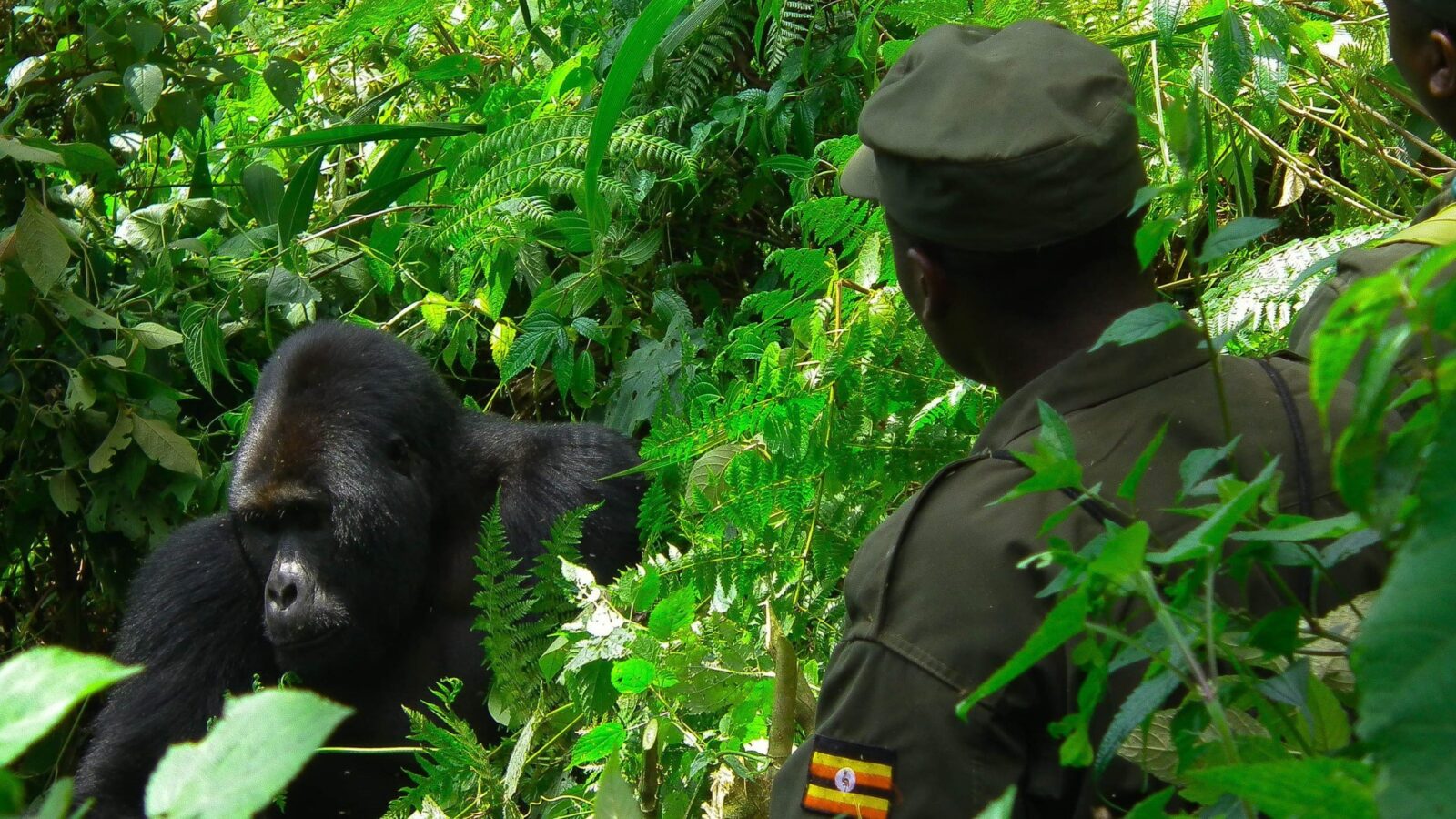
Uganda’s national parks, including Bwindi Impenetrable, Mgahinga, and Queen Elizabeth, are safe for visitors when park rules are followed. Wildlife can be dangerous if approached improperly, so guided tours and ranger-supervised activities are essential.
Mountain gorilla and chimpanzee trekking are strictly regulated to minimize risk. Visitors must maintain safe distances, follow ranger instructions, avoid loud noises, and refrain from trekking if ill. Similarly, during safaris, vehicles should remain on designated trails and maintain distance from lions, elephants, hippos, and other large animals.
Wild rivers, lakes, and waterfalls can also pose hazards. Swimming is only recommended in designated safe areas, and caution is required when hiking or trekking in mountainous terrain.
Transportation Safety
Travel within Uganda requires attention to road conditions and transport choices. Major roads between cities are generally in good condition, but rural and park roads may be rough or muddy, especially during the rainy season. Travelers should use reputable bus companies or private vehicles for long-distance travel.
Domestic flights to national parks, such as those operated to Bwindi or Queen Elizabeth, are safe and save considerable time. Within towns, registered taxis or ride-hailing services are preferable to informal transport. Seatbelt use and adherence to local traffic rules enhance safety.
Cultural Awareness and Local Customs
Understanding local culture is an important aspect of safety in Uganda. Ugandans are known for their hospitality, but respecting social norms, dress codes, and local traditions prevents misunderstandings. Modest clothing is recommended in rural areas and near religious sites.
Photography should be approached with sensitivity; always ask permission before taking pictures of individuals, particularly in villages or cultural ceremonies. Engaging local guides not only enriches the experience but also ensures safe navigation in unfamiliar areas.
Emergency Preparedness
Travelers should prepare for emergencies by carrying essential items and information. This includes a basic first aid kit, personal identification, copies of passports, and contact details for local embassies or consulates.
In national parks, follow all ranger advice, stay with your group, and avoid wandering off trails. In urban areas, maintain situational awareness and avoid isolated or poorly lit locations at night. Mobile networks are widely available in cities and towns, though coverage may be limited in remote forests or mountains.
Uganda is a rewarding and generally safe destination for travelers who take proper precautions. By combining awareness of personal security, health measures, wildlife safety, transportation guidance, and cultural sensitivity, visitors can fully enjoy Uganda’s remarkable landscapes, wildlife, and cultural heritage.
Adhering to safety recommendations ensures a memorable and worry-free experience, whether trekking among mountain gorillas, exploring volcanic mountains, or experiencing the vibrant cities and communities across the country.