
Not every extra cost on a gorilla safari quote is worth adding. But a handful of upgrades consistently earn their price back in what they actually change about the day, and knowing which ones those are before you start trimming a budget is worth five minutes of thought.
Operators tend to present every add-on with roughly the same enthusiasm on a quote sheet, which makes it hard to tell from the document alone which upgrades genuinely change your experience and which just look good on paper. The five below are the ones that repeat trekkers and guides consistently point to as worth the extra line item, and the reasoning behind each is worth understanding rather than taking entirely on faith.
1. A Habituation Permit Instead of a Standard Trek
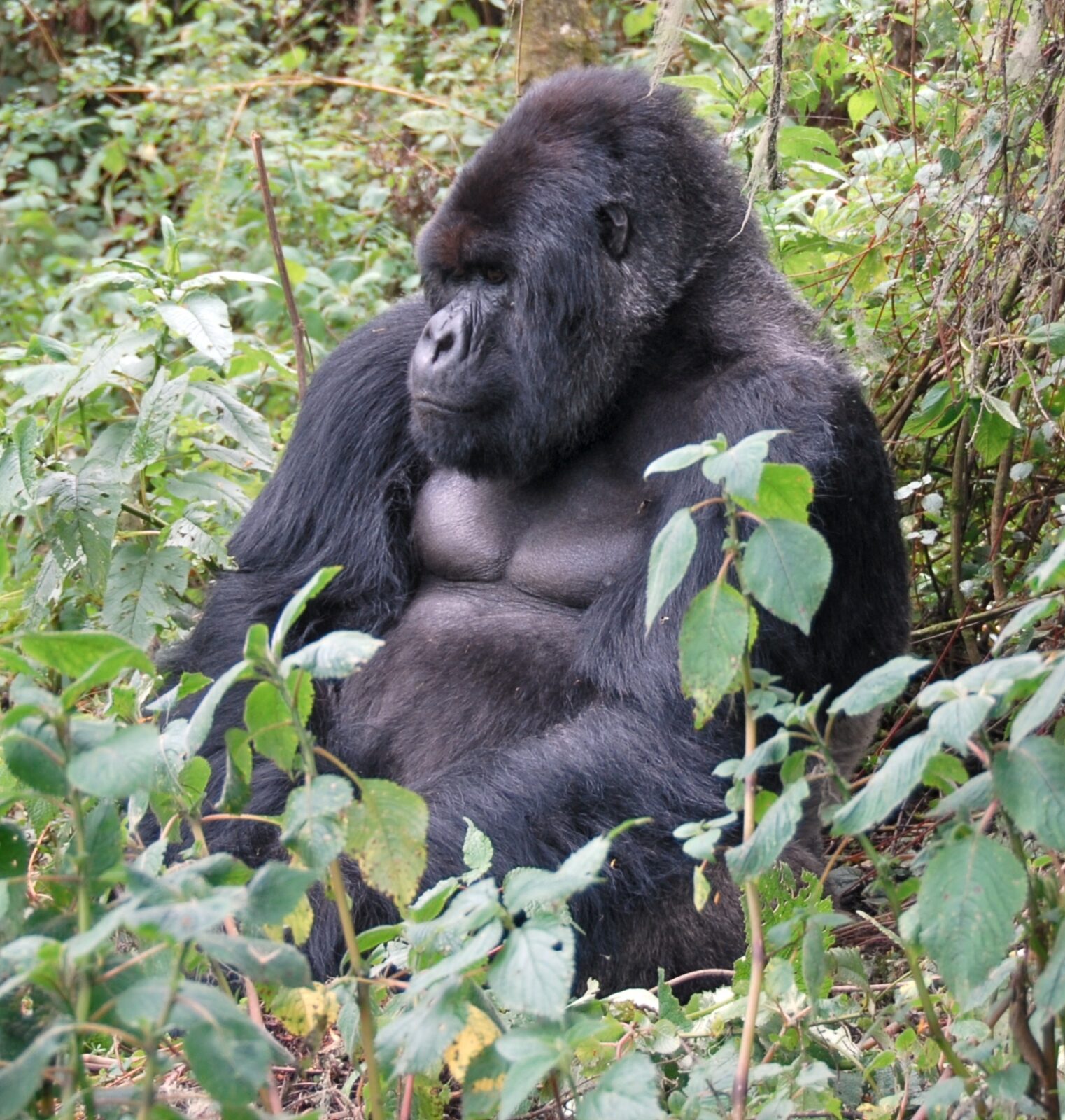
Uganda offers a small number of gorilla habituation permits, priced above the standard permit, that give you up to four hours with a family still in the process of becoming used to human presence, alongside the research team and trackers doing that work. It’s a genuinely different experience – longer, more observational, and behind the scenes of how habituation actually happens – rather than simply a longer version of a standard trek. For trekkers who want depth over a single polished hour, it’s one of the upgrades that changes the experience itself, not just the comfort around it.
2. A Private Vehicle Instead of a Shared Transfer
This matters more than it sounds like it would. A shared minibus transfer can add hours to a journey that would otherwise take a fraction of the time, purely from other pickups and drop-offs along the way, and after a long international flight that extra time comes directly out of your rest before an early trek morning.
Shared transfers between the airport and the park save money but add unpredictable time waiting for other passengers and stops along a route that isn’t built around your schedule. A private vehicle costs more but gives you control over departure time, rest stops, and photo opportunities along genuinely scenic drives – particularly worthwhile on longer transfers like Kigali to Volcanoes National Park or Entebbe to Bwindi, where the drive itself is part of the experience rather than dead time to get through.
3. One Night at a Higher-Tier Lodge, Placed Deliberately
The difference between a mid-range and a high-end lodge in Bwindi or the Virungas is rarely about basic comfort – most properties near the parks manage that well. It’s about small, specific things: a fireplace in your room at altitude where nights get genuinely cold, a view worth waking up early for, or service attentive enough to notice you’ve had a long day and adjust accordingly.
Rather than upgrading your entire trip to luxury accommodation, choosing one night – typically either the night before your trek, when a good night’s sleep matters most, or your final night, as a deliberate wind-down – at a noticeably nicer property than the rest of your stay tends to deliver more satisfaction per dollar than spreading the same extra budget evenly across every night.
An Honourable Mention: Better Travel Insurance
Not glamorous, and not something you’ll notice on the trek itself, but upgrading from a bare-minimum travel insurance policy to one that specifically covers medical evacuation from remote areas and strenuous trekking activity is arguably the single highest-value upgrade on this entire list. It costs relatively little extra and matters enormously in the rare event something genuinely goes wrong, far from the nearest hospital.
4. A Second Trek in a Different Sector or Family
If your schedule and budget allow it, a second permit – either a different day in the same park or a different country entirely – buys you something a first trek genuinely can’t: comparison. Different sectors have different terrain and different family personalities, and trekkers who’ve done two treks consistently describe the second as calmer and more observational than the adrenaline-heavy first. It’s an expensive upgrade, but one of the few that changes the substance of the trip rather than its comfort.
5. Professional Photography Support
A specialist photography guide, or a package built specifically around image quality – smaller group sizes, positioning advice, timing around better light – costs more than a standard trek but solves a real problem: gorilla photography in dense, low-light forest is genuinely difficult, and a lot of trekkers come home disappointed with blurry or badly framed shots of what was otherwise an incredible experience. For anyone who cares seriously about the photos they bring home, this is one upgrade that consistently gets described as worth it after the fact. It’s also worth pairing with camera equipment suited to low light, since even the best positioning advice can’t fully compensate for the wrong gear in a genuinely dim forest interior.
A Note on Combining Multiple Upgrades
Trekkers planning a significant occasion – a honeymoon, an anniversary, a milestone birthday – sometimes ask whether it’s better to combine several of these upgrades at once or spread the extra budget more thinly across all of them. In practice, stacking two or three genuinely meaningful upgrades, chosen deliberately, tends to produce a more memorable trip than spreading the same total budget as a small bump across everything. A well-placed luxury night plus a private vehicle, for instance, complement each other more than five modest upgrades applied evenly across the whole itinerary.
What’s Usually Not Worth Paying Extra For
A private trek group, purely for its own sake, tends to disappoint trekkers who expected it to mean more time or a closer encounter – it doesn’t, it just means fewer strangers in your group. Similarly, the most expensive lodge tier across an entire multi-night stay rarely delivers proportionally more satisfaction than one deliberately placed splurge night combined with solid mid-range comfort elsewhere. Spend where it changes the substance of the day, not just the surface of it, and be willing to say no to an add-on that sounds appealing on a quote sheet but doesn’t actually match what you’re hoping to get out of the trip.
How to Decide Which Upgrades Are Worth It for Your Trip
The honest way to filter this list is to ask, for each item, whether it changes what actually happens on your trek or only how comfortable you are around it. A habituation permit and a second trek change the substance of the experience itself. A private vehicle and a well-placed luxury night change your comfort without touching the trek. Both categories can be worth paying for, but knowing which one you’re paying for helps you prioritise a limited upgrade budget toward whichever matters more to you personally, rather than adding every option a quote offers simply because it’s available.
It also helps to sequence upgrades against your travel dates. Habituation permits and second treks need to be requested early, since availability is limited well in advance. Lodge upgrades and vehicle choices have more flexibility and can often be adjusted closer to your travel date if your budget shifts, which makes them a reasonable thing to finalise last rather than first.
Frequently Asked Questions
Which single upgrade gives the best value for most trekkers?
A private vehicle for transfers tends to have the best ratio of cost to genuine improvement in comfort, particularly on longer routes, without approaching the cost of a habituation permit or second trek. Better travel insurance runs a close second, given how disproportionate its cost is to the protection it actually provides.
Is a habituation permit suitable for a first-time trekker?
It’s usually recommended for trekkers who already have a clear sense of what they want from the experience, since it’s a bigger investment. Many first-timers are well served by a standard permit and save the habituation experience for a return visit.
Do these upgrades need to be booked far in advance like the base permit?
Habituation permits especially, yes – they’re more limited in number than standard permits. Lodge upgrades and private vehicles have more flexibility but are still worth confirming early during peak season.
Can I add these upgrades after I’ve already booked my base permit?
Sometimes, depending on availability, but it’s far easier and more reliable to decide on upgrades before your initial booking is confirmed. Habituation permits in particular are unlikely to be available as a late addition once your standard permit is already locked in.
Do operators ever recommend against a specific upgrade?
A good one will, if it genuinely doesn’t suit your circumstances. An operator pushing every add-on regardless of fit is worth noticing, since honest guidance on which upgrades actually matter for your specific trip, and which ones don’t, is part of what separates a good operator from one simply maximising the size of your invoice.
To weigh these against your base budget, this full cost breakdown is a good starting point, alongside this guide to photography-focused safaris if image quality is a priority for you. This look at honeymoon-style upgraded packages shows how some of these individual upgrades are often bundled together for special-occasion trips.