
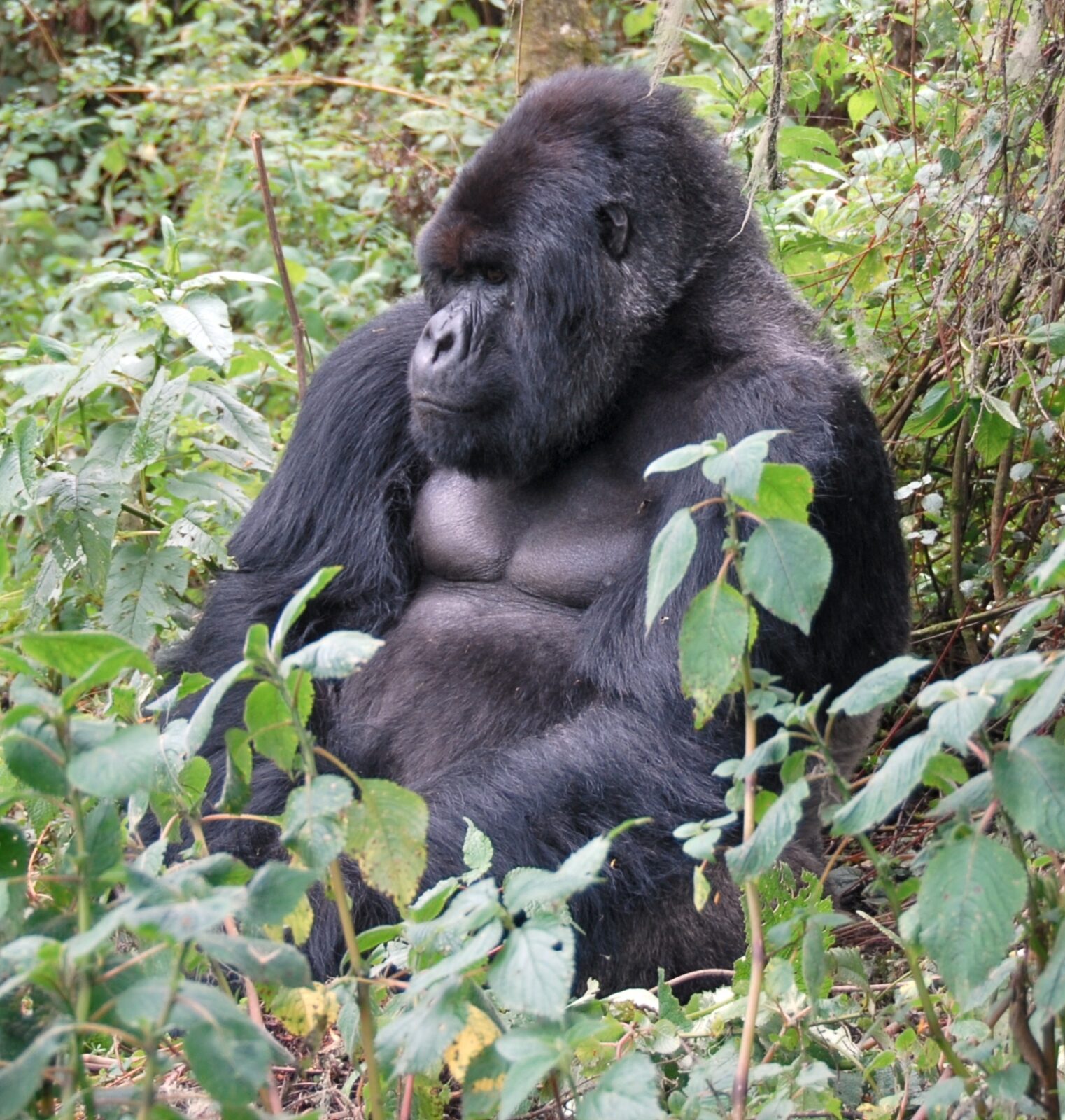
Every operator fields the same handful of questions from first-time trekkers, over and over, usually in the same order. Pulling together these gorilla safari questions answered in one place saves the back-and-forth and gives you a genuinely useful starting point before you talk to an operator yourself.
Most of these come from years of the same conversation repeating itself between operators and travellers who are booking their first trek and don’t yet know what they don’t know. None of the answers below are complicated once you hear them, but they’re the kind of detail that’s easy to miss if nobody happens to mention it before you’ve already committed to dates and paid a deposit.
1. How Far in Advance Should I Book?
Ideally three to six months ahead for peak season travel – June through September, and around Christmas and New Year. Permits are limited per family per day, and popular sectors sell out well before the travel dates themselves arrive. Shoulder season travel gives you a bit more breathing room, sometimes as little as six to eight weeks, though earlier is always safer than later when a specific sector or date matters to you.
2. Which Country Should I Choose If I Have No Strong Preference?
Budget and travel time are usually the deciding factors. Uganda’s permit costs meaningfully less than Rwanda’s, and Bwindi’s terrain and multiple sectors offer more variety. Rwanda’s Volcanoes National Park is closer to Kigali airport, with generally shorter drive times and a more established luxury lodge scene. Neither is objectively better – they suit different priorities, and plenty of trekkers end up doing both on separate trips rather than treating the choice as permanent.
3. Am I Fit Enough to Do This?
Almost certainly, with honest preparation. The trek is genuinely demanding – steep, muddy, sometimes several hours each way – but the pace is set by the group, porters are available to help carry gear and support you physically, and some sectors are noticeably gentler than others. Trekkers in their sixties and seventies complete this regularly, and a realistic conversation with your operator about your current fitness level, rather than an optimistic guess, is the best way to match yourself to the right sector.
One More Thing Worth Preparing: Vaccinations and Health Checks
Yellow fever vaccination is a formal entry requirement for both Uganda and Rwanda, and most operators will ask for proof before confirming your booking. Beyond that, a routine pre-travel check with your doctor covering malaria prevention and any personal health considerations relevant to strenuous activity at altitude is worth doing several weeks before departure, not the week before you fly.
4. What Happens If We Don’t Find the Gorillas?
It’s rare, but not impossible. Trackers head out at dawn to locate each family before trekking groups set off, which keeps sighting rates extremely high. Policies vary by park and operator on what happens in the uncommon event a family isn’t found – ask this specific question before you book so you know where you stand.
5. How Close Will We Actually Get?
Close enough to clearly see individual expressions and interactions, while still respecting a mandated minimum distance – historically cited as around seven metres, with some current guidance suggesting a tightened distance closer to ten. The rule exists to limit disease transmission between species, not to keep you at arm’s length for no reason, and your ranger will actively manage positioning throughout the hour rather than leaving it up to individual trekkers to judge.
6. Is It Safe?
Yes, within the structure the park provides. Mountain gorillas are naturally shy and non-aggressive toward humans when approached correctly, rangers are trained to manage any tense moment, and genuine incidents involving habituated families are extremely rare against the volume of successful treks conducted every year. The physical terrain itself is a bigger practical consideration than the gorillas, and that risk is managed by matching your fitness honestly to your chosen sector.
7. What Should I Actually Pack?
Layered clothing rather than cotton, a proper rain jacket regardless of season, sturdy broken-in hiking boots, gardening-style gloves for gripping vegetation, and gaiters if you have them. A full packing list is worth working from rather than guessing, since a handful of specific items make a genuine difference on the day. Trying to buy or break in new boots in the days right before your trek is a common and avoidable regret – it’s worth doing well ahead of time.
Where This Question Trips Up First-Timers Most Often
Distance and disease-transmission rules tend to be the two questions trekkers most underestimate before arriving, largely because both sound like formalities until you’re actually standing in the forest and a ranger is quietly repositioning the group. Neither is negotiable on the day, regardless of how good the photo opportunity looks, which is worth internalising well before trek morning rather than discovering it in the moment.
8. Can Children Come?
Most parks set a minimum age of 15 for gorilla trekking, largely for disease-transmission reasons rather than fitness. Families travelling with younger children typically combine the trip with other activities suited to their age while one parent treks, or plan the gorilla portion of the trip for when children are older.
9. What’s Actually Included in the Permit Fee?
The permit covers your slot with a specific habituated family on a specific date, park entry for that day, and your ranger guide and tracker team. It does not typically include transport to the park, accommodation, porters, or tips – all of which are arranged separately, usually bundled into a broader package by your operator. It’s worth asking for this breakdown explicitly if a quote presents everything as one combined figure, since knowing what the permit itself covers helps you judge whether the rest of a package is fairly priced.
10. Should I Tip, and How Much?
Yes, and it’s expected rather than optional in practice. Ranger guides, trackers, and porters depend meaningfully on tips as part of their income. Operators can usually give a specific recommended range for your group size, which is worth asking about and budgeting for before trek day rather than figuring it out on the spot. Carrying this in cash, in the right currency and small enough denominations, is worth sorting out before you leave your lodge that morning.
Two Follow-Up Questions Worth Asking Once You’ve Covered the Basics
Once these ten are settled, two more tend to come up in the same conversation. The first is the difference between a standard permit and a habituation permit – a standard permit gives you one hour with a fully habituated family, while a habituation permit, available only in Uganda in limited numbers, gives you up to four hours with a family still being acclimatised to human presence, alongside the research and monitoring team doing that work. It costs more and suits trekkers who want a longer, more immersive experience over a shorter, more predictable one.
The second is travel insurance, and specifically whether a generic policy is enough. It usually isn’t. Look for a policy that explicitly covers medical evacuation from remote areas, since Bwindi and the Virungas are genuinely far from major hospitals, and that covers activities classified as strenuous trekking rather than general leisure travel. This is worth confirming directly with your insurer rather than assuming standard coverage applies to a day this physically demanding.
Frequently Asked Questions
Is there a single best time of year to ask an operator these questions?
As early as possible, ideally before you’ve committed to specific travel dates, since the answers to several of these – country, season, sector – genuinely affect what dates and permits are still available to you.
Do the answers change much between a first-time and repeat trekker?
The core answers stay the same, but repeat trekkers tend to ask more specific follow-up questions about particular sectors, families, or seasons, having already covered the fundamentals on their first trip.
Is it better to ask an operator these questions by email or by phone?
Either works, but written answers via email give you something to refer back to later and are easier to compare across multiple operators side by side, which is useful in the early comparison stage before you’ve settled on who to book with.
Is there a question on this list most trekkers forget to ask?
The refund and rebooking policy for a missed sighting is the one that catches people out most often, simply because it feels unlikely to happen until it’s the day it does. Asking it upfront costs nothing and saves a difficult, sometimes expensive conversation later, once you’re already standing at the park gate with no easy way to change plans.
For a deeper look at several of these topics individually, this cost breakdown, this fitness preparation guide, and this packing list each go into far more detail than a single FAQ answer allows. These further questions worth asking an operator directly are a natural next step once you’ve worked through the basics here.