Amazing Gorilla Safaris – Your Ultimate Guide to an Unforgettable Wildlife Experience
Overview: The Allure of Gorilla Safaris
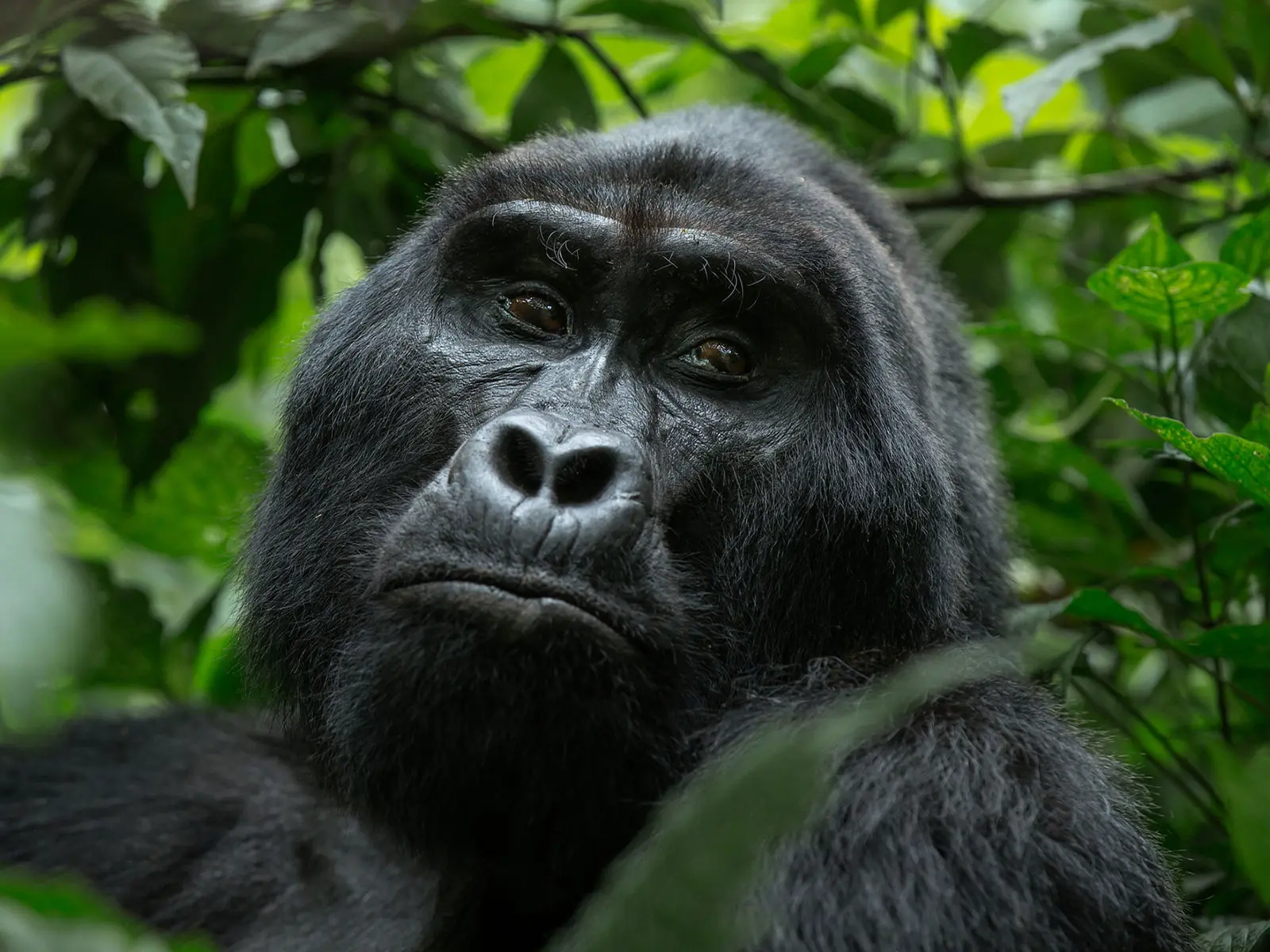
Few wildlife experiences rival the thrill of trekking mountain gorillas in the forests of Uganda, Rwanda, and the Democratic Republic of Congo. An amazing gorilla safari combines adventure, natural beauty, and intimate encounters with one of the world’s most endangered and intelligent species. These safaris are more than just a wildlife activity—they are transformative journeys that connect travelers to the forest ecosystem, local communities, and the remarkable conservation efforts that make such encounters possible.
Gorilla safaris are ideal for adventure seekers, wildlife photographers, researchers, and anyone looking for an immersive experience in the heart of Africa. From misty mountain trails and dense bamboo forests to scenic volcanic landscapes and cultural village visits, every element of a gorilla safari contributes to its uniqueness.
The Best Destinations for Gorilla Safaris
Bwindi Impenetrable National Park, Uganda
Bwindi is one of the most famous gorilla trekking destinations in the world. Its diverse sectors—Buhoma, Rushaga, Ruhija, and Nkuringo—offer different trekking experiences ranging from accessible trails for beginners to more challenging routes for seasoned hikers. Bwindi is home to hundreds of mountain gorillas organized in several habituated families, ensuring multiple opportunities for wildlife encounters.
The park’s dense rainforest is also a haven for birdwatchers and hosts countless species of flora and fauna. Visitors often combine gorilla trekking with nature walks, cultural community tours, and scenic drives through southwestern Uganda’s rolling hills.
Mgahinga Gorilla National Park, Uganda
Nestled at the tri-border area of Uganda, Rwanda, and the Democratic Republic of Congo, Mgahinga offers a more intimate gorilla trekking experience. Smaller and less crowded than Bwindi, the park is ideal for travelers seeking a serene setting and closer encounters.
Mgahinga is also renowned for Golden Monkey tracking, allowing visitors to witness playful primates in their natural bamboo forest habitats. Its volcanic landscape, part of the Virunga volcanic chain, provides breathtaking scenery for photographers and adventure enthusiasts.
Volcanoes National Park, Rwanda
Rwanda’s Volcanoes National Park is arguably the most structured and popular gorilla trekking destination. The park’s infrastructure supports comfortable lodge accommodations near trailheads, allowing trekkers to start early and maximize their encounter time.
The park’s trekking trails offer access to iconic gorilla families, guided by experienced trackers who monitor movements daily. Volcanoes National Park also offers habituation experiences, where visitors can spend up to four hours with gorillas under strict supervision, creating unmatched wildlife observation opportunities.
Virunga National Park, Democratic Republic of Congo
Virunga National Park, a UNESCO World Heritage site, combines rich biodiversity with dramatic landscapes of volcanoes, forests, and savannahs. Trekking in Virunga provides both gorilla encounters and the thrill of exploring one of Africa’s most challenging and pristine ecosystems.
While logistical considerations, including security and access, are more complex than in Uganda or Rwanda, travelers who venture here are rewarded with extraordinary wildlife diversity and less crowded trekking experiences.
What Makes a Gorilla Safari Amazing?
Close Encounters with Mountain Gorillas
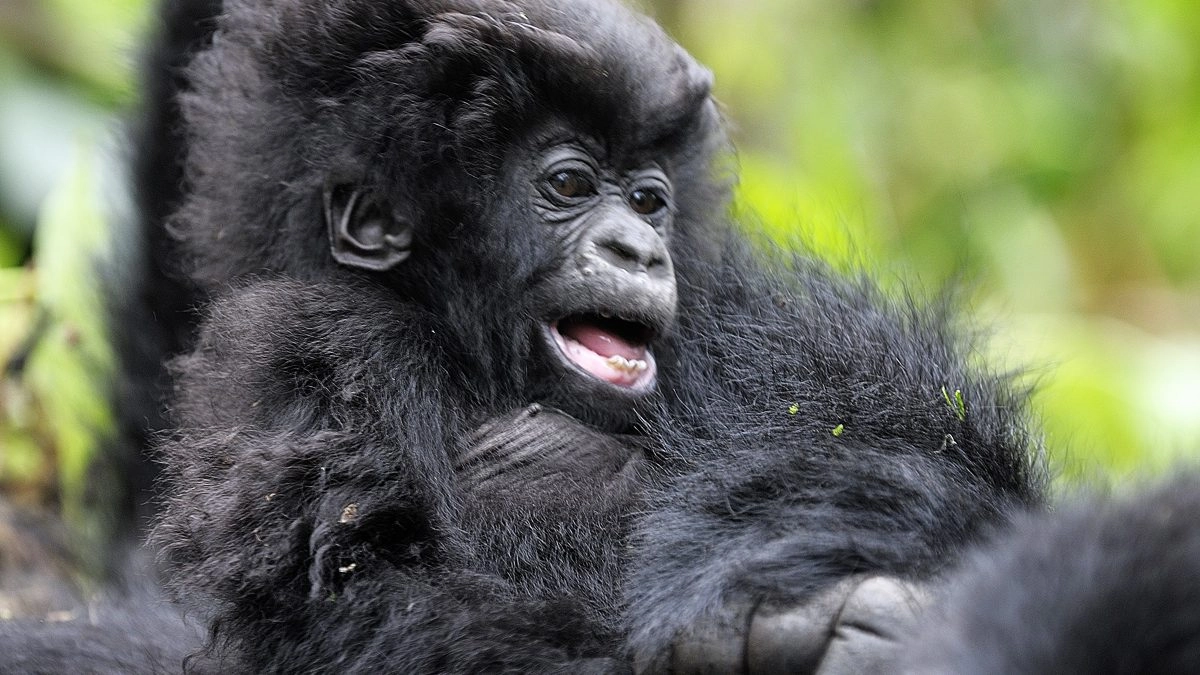
The defining feature of a gorilla safari is the one-hour encounter with gorillas, allowing travelers to observe their social behaviors, communication, and family dynamics. Watching a silverback male lead and protect his group, seeing infants play and interact, and observing feeding habits up close creates memories that last a lifetime.
Unique Landscapes and Ecosystems
Gorilla safaris take visitors through some of the most scenic and ecologically diverse regions in East and Central Africa. From the mist-covered slopes of Bwindi to the volcanic peaks of Mgahinga and Volcanoes, the landscapes themselves are awe-inspiring. The trekking experience blends physical challenge with immersion in untouched nature, making the journey as rewarding as the destination.
Cultural Immersion and Community Engagement
Many gorilla safaris integrate cultural experiences with wildlife trekking. Local communities living near parks are actively involved in conservation initiatives, and visitors may participate in village walks, traditional dance performances, and craft markets. These interactions provide insight into how communities coexist with wildlife and contribute to sustainable tourism.
Conservation and Eco-Tourism
Gorilla safaris are powerful examples of eco-tourism in action. Permit fees directly support anti-poaching patrols, habitat protection, and community projects, ensuring that tourism contributes positively to conservation. Knowing that your adventure also helps preserve endangered species adds a meaningful dimension to the experience.
Planning Your Amazing Gorilla Safari
When to Go
The best times for gorilla trekking are during dry seasons when trails are less slippery and gorilla sightings are more predictable. In Uganda and Rwanda, these periods typically include June to September and December to February.
Choosing a Park
The choice of park depends on your priorities:
-
Bwindi: For variety of trekking sectors, abundant gorilla populations, and combining multiple experiences.
-
Mgahinga: For serene, less crowded trekking and golden monkey tracking.
-
Volcanoes: For convenience, structured trekking, and habituation experiences.
-
Virunga: For adventure, remote trekking, and biodiversity beyond gorillas.
Securing Permits
Gorilla trekking permits are limited to preserve gorilla welfare. Book permits months in advance, especially during high season. Working with reputable tour operators or lodges ensures timely permit acquisition and smooth logistics.
Accommodation
Options range from luxury lodges with full amenities near trailheads to budget-friendly guesthouses. Many lodges provide airport transfers, pre-trek briefings, and guided safari packages that include gorilla trekking.
Physical Preparation
Gorilla trekking can be physically demanding. Trekkers should be prepared for steep climbs, muddy trails, and several hours of hiking, depending on the park and gorilla family location. Good physical conditioning, sturdy footwear, and trekking poles are recommended.
Tips for Maximizing Your Experience
-
Arrive early to avoid fatigue and maximize trekking hours.
-
Follow ranger instructions to ensure safety and minimize stress on gorillas.
-
Carry essential items such as water, snacks, cameras, and rain gear.
-
Dress appropriately in layers to handle changing temperatures.
-
Respect wildlife and forest rules; maintain distance and avoid loud noises.
-
Bring binoculars to observe other forest fauna along the trek.
An amazing gorilla safari is an unforgettable adventure that combines wildlife observation, scenic landscapes, cultural encounters, and meaningful conservation impact. Trekking through Bwindi, Mgahinga, Volcanoes, or Virunga offers intimate access to mountain gorillas while highlighting the beauty and fragility of Africa’s montane forests.
With careful planning, proper gear, and respect for local rules and wildlife, travelers can experience the thrill of close gorilla encounters, gain insight into their behaviors, and contribute directly to the preservation of these remarkable primates. A gorilla safari is not just a trip—it is a journey into one of the most extraordinary natural habitats on Earth, leaving a lasting impression on anyone fortunate enough to undertake it.
For more information and to book your unforgettable adventure, visit www.amazinggorillasafaris.com