
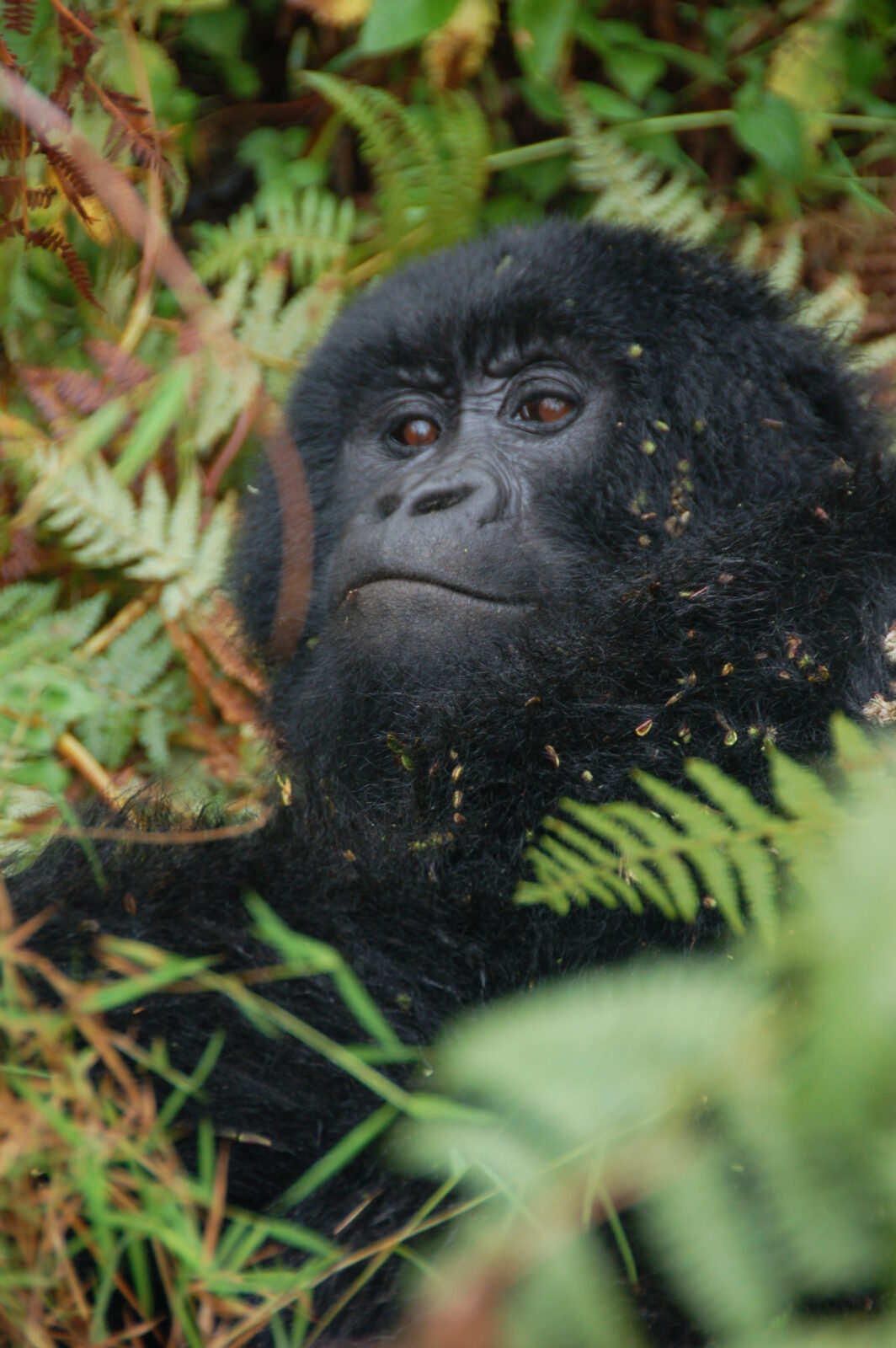
Mgahinga Gorilla National Park sits at the far southwestern edge of Uganda, tucked among volcanic peaks that give it a genuinely different climate rhythm from the lower-altitude parts of the country. What is the best time of year to go gorilla trekking in Mgahinga Gorilla National Park deserves a precise answer grounded in this park’s specific weather patterns, not a generic regional assumption borrowed from Bwindi or elsewhere.
This guide breaks down Mgahinga’s seasonal rhythm month by month, explains what drives it, and helps you match your travel dates to what actually matters most to you.
Mgahinga’s Two Dry Seasons
Like the rest of southwestern Uganda, Mgahinga experiences two distinct drier windows each year, roughly December through February and June through August, when trails are at their firmest and rainfall is at its lowest relative to the rest of the year. These months see the heaviest visitor demand for exactly this reason, and booking well ahead matters more here than during any other stretch of the calendar.
Why “Dry Season” Is a Relative Term Here
Mgahinga’s volcanic slopes and genuinely high altitude mean rainfall remains a real possibility even during the technically drier months, so “dry season” here means meaningfully less rain and firmer trails, not a guarantee of consistently clear skies throughout your visit. Packing rain-ready gear regardless of which season you choose is simply sensible practice in this specific environment.
Mgahinga’s Two Rainy Seasons
March through May and September through November bring the heaviest rainfall, with trails becoming genuinely muddier and the climb up Mgahinga’s volcanic terrain more physically demanding as a result. Visitor numbers drop noticeably during these months, and the corresponding easing of accommodation prices and permit availability makes this a genuine option for flexible, budget-conscious trekkers willing to accept wetter conditions.
Temperature Patterns at Altitude
Mgahinga’s elevation keeps temperatures cooler than lower-lying parts of Uganda year-round, with mornings and evenings in particular carrying a genuine chill regardless of season. This is worth factoring into your packing list specifically for Mgahinga, since visitors expecting typical tropical warmth are sometimes caught off guard by how cool conditions actually feel at this altitude, especially before sunrise on trek day.
How Mgahinga’s Single Habituated Family Interacts With Season
Because Mgahinga has just one habituated gorilla family, the Nyakagezi group, seasonal weather can meaningfully affect how far the tracking team needs to travel to locate them on any given morning, with wetter months sometimes correlating with different ranging patterns than the drier season. This is a separate consideration from permit availability, worth knowing alongside the weather picture when setting realistic expectations for trek difficulty.
What to Pack Differently by Season at Mgahinga
Dry season packing still calls for genuine rain gear given the volcanic terrain’s unpredictable microclimate, but rainy season demands a step up — a full waterproof jacket, gaiters or waterproof boot covers, and a dry bag for electronics all move from optional to genuinely worth having. Trekking poles, sometimes skipped during dry season planning, become considerably more valuable on Mgahinga’s already steep, potentially slippery volcanic slopes when wet.
Sunrise and Cloud Patterns Worth Knowing
Mgahinga’s volcanic peaks tend to attract cloud cover that builds through the day regardless of season, meaning early morning departures often catch the clearest views and driest conditions even during a nominally wetter month. Trekkers hoping for good photography conditions specifically benefit from an early start regardless of which season they’ve chosen.
Combining Gorilla Trekking With Golden Monkey Tracking by Season
Mgahinga’s golden monkey tracking, available alongside gorilla trekking, follows broadly the same seasonal weather pattern, meaning a dry-season visit generally offers the most favourable combined conditions for trekkers hoping to do both activities within the same trip. Rainy season doesn’t rule this combination out, but it does mean planning for wetter conditions across both activities rather than just one.
Comparing Mgahinga’s Seasonal Pattern to the Broader Virunga Region
Mgahinga’s seasonal rhythm mirrors the wider Virunga volcanic range spanning into Rwanda and Congo, meaning a dry-season window chosen for Mgahinga tends to hold up equally well for a cross-border extension into either neighbouring country. This regional consistency is genuinely useful for trekkers planning a broader Virunga-area itinerary rather than a single-park trip.
Weighing Cost and Crowds Against Weather
Dry season brings the most reliable trekking conditions but also the highest demand and correspondingly higher accommodation and transport costs around Kisoro, Mgahinga’s practical base town. Rainy season flips this trade-off — genuinely lower costs and quieter trails, in exchange for muddier terrain and a real chance of rain during your trek. Neither choice is objectively correct; it depends entirely on what you personally value most for this specific trip.
How Weather Affects Tracking Time by Season
Dry season generally means the Nyakagezi family is somewhat more predictable to locate, since drier ground makes tracking signs easier to follow and the family’s ranging patterns tend to be more consistent. Rainy season can mean a longer, more effortful search before your group actually reaches the gorillas, on top of the muddier walking conditions themselves — worth factoring into your expectations for trek duration regardless of which season you choose.
Booking Timing Around Mgahinga’s Seasonal Demand
Given Mgahinga’s already limited eight-permit daily ceiling, dry season’s heavier demand compounds with this constraint more than it does at larger-capacity parks, making early booking genuinely important if you’re specifically targeting a dry-season Mgahinga date. Rainy season, by contrast, generally offers meaningfully better last-minute availability even given the same small daily allowance.
What Local Guides Say About Seasonal Preference
Experienced local guides often note that visitor preference genuinely splits between those chasing the most reliable trekking conditions of dry season and those specifically seeking rainy season’s quieter trails and lower costs, with neither group considered to be making the “wrong” choice. This local perspective reinforces that Mgahinga rewards matching the season to your own priorities rather than chasing one universally “correct” answer.
How Mgahinga’s Timing Compares to Bwindi’s
Mgahinga and Bwindi share broadly the same seasonal calendar, given their geographic proximity within southwestern Uganda, which is genuinely convenient for trekkers combining both parks in a single trip. You don’t need to plan around two separate seasonal patterns if your itinerary includes both, since a dry-season window for one is a dry-season window for the other as well.
Frequently Asked Questions
What are the driest months to trek in Mgahinga?
December through February and June through August are generally the driest windows, though rainfall remains genuinely possible even during these months given Mgahinga’s volcanic, high-altitude setting.
Is rainy season trekking at Mgahinga significantly harder?
Yes, meaningfully so — muddier trails and Mgahinga’s already steeper volcanic terrain combine to make rainy season treks noticeably more physically demanding than dry season equivalents.
Should I pack warm layers for Mgahinga regardless of season?
Yes — the park’s altitude keeps mornings and evenings genuinely cool year-round, making warm layers worth including no matter which season you’re visiting.
Is Mgahinga’s best season the same as Bwindi’s?
Yes, broadly — the two parks share the same regional seasonal pattern, which is convenient for trekkers planning to visit both within one trip.
Does rainy season make the Nyakagezi family harder to locate?
Sometimes, yes — tracking signs can be harder to follow on wet ground, occasionally leading to a longer search before your group reaches the family, on top of the muddier walking conditions themselves.
Should I book further ahead for a dry season Mgahinga trek than a rainy season one?
Yes, meaningfully so — Mgahinga’s small eight-permit daily ceiling combines with dry season’s heavier demand to make early booking genuinely important for these specific dates.
Does Mgahinga’s dry season line up with Rwanda and Congo’s?
Yes, broadly — the whole Virunga volcanic region shares a similar seasonal pattern, making a coordinated cross-border itinerary genuinely practical to plan around one shared dry-season window.
How early before sunrise should I plan a Mgahinga departure for the clearest views?
Aiming for the earliest possible briefing time is worth doing, since cloud cover tends to build through the day regardless of season, and the clearest conditions typically come earliest in the morning.
Is there a genuinely good shoulder season option for Mgahinga?
The weeks bordering the main dry and rainy blocks can offer a reasonable middle ground of firmer trails and somewhat better availability than full peak dry season, worth checking current conditions with an operator for your specific dates.
Does altitude sickness become more of a concern in any particular season?
Not meaningfully — Mgahinga’s altitude-related considerations stay fairly consistent year-round, so this is worth discussing with your doctor regardless of which season you choose to visit.
Ultimately, Mgahinga rewards trekkers who plan around their own genuine priorities rather than chasing a single universally “best” month — understanding the real seasonal trade-offs described here is what makes that a genuinely informed decision rather than a guess.
Plan the Rest of Your Trip
For the full permit picture once you’ve settled on your travel dates, this Mgahinga permit cost guide is worth reading, alongside this Mgahinga daily capacity guide. If you’re weighing seasonal trade-offs more broadly, this rainy season guide and this Kisoro town guide round out your planning.