
Combining Lake Mburo and Bwindi: A Smart Two-Park Uganda Itinerary
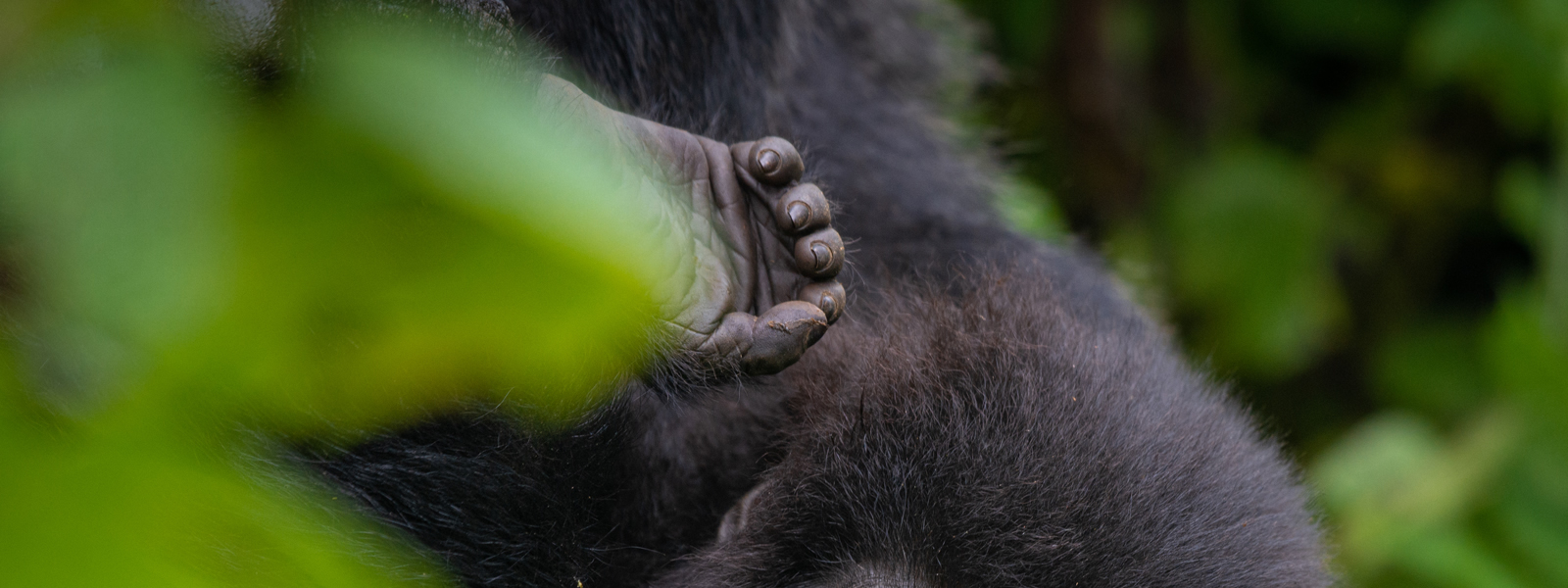
Gorilla trekking in Bwindi Impenetrable Forest is, for most visitors, the single reason a Uganda trip gets booked in the first place. What surprises a lot of first-time travellers is just how far Bwindi sits from Kampala, tucked into the country’s remote southwestern corner against the border with the Democratic Republic of Congo. Covering that distance in a single, uninterrupted drive is a long and genuinely tiring day. Breaking the journey at Lake Mburo National Park solves that problem elegantly, and it does something more valuable than simply splitting a long drive in two, it turns a transit day into a genuine safari day in its own right.
Why the Direct Route Is Harder Than It Looks
Driven straight through, Kampala to Bwindi is a demanding stretch of road covering a significant distance across changing terrain, easily consuming the better part of a full day once fuel stops, meal breaks, and Uganda’s variable road conditions are factored in. Attempting it in one push after an international flight, when most travellers are already running on limited sleep, tends to leave people arriving in Bwindi exhausted just before what is typically the physical highlight of their entire trip, a demanding trek through steep, dense forest terrain in search of mountain gorillas. Arriving tired for that experience is not the ideal way to approach it.
Where Lake Mburo Fits Geographically
Lake Mburo sits conveniently along the main road corridor connecting Kampala to Uganda’s southwest, roughly four to six hours from the capital depending on road conditions and stops along the way. From Lake Mburo, the remaining drive to Bwindi covers the harder, more mountainous second half of the journey, typically taking somewhere in the range of five to seven hours depending on which sector of Bwindi is the final destination. Splitting the trip this way turns one exhausting day into two entirely manageable ones, each with a comfortable arrival time rather than a late, fatigued one.
What an Overnight at Lake Mburo Actually Adds
The real value of this routing is not simply logistical convenience. Lake Mburo is a genuine wildlife destination in its own right, and an overnight stop here gives travellers time to fit in an activity or two rather than just a bed for the night. A short evening game drive on arrival, or an early morning boat safari before continuing toward Bwindi, adds a meaningfully different wildlife experience to a trip that would otherwise be entirely focused on forest and primates.
Wildlife Bwindi Simply Doesn’t Have
Bwindi’s dense forest habitat, while extraordinary for gorillas and forest birds, does not support the open savannah wildlife most people associate with an African safari. Zebra, impala, eland, and the reintroduced giraffe are all species travellers will not encounter in Bwindi’s forest interior, and Lake Mburo is the only realistic opportunity on this particular route to see them. For many visitors, especially those who have not been on safari in Kenya or Tanzania, this stopover ends up providing their only savannah-style game viewing of the entire Uganda trip.
A Genuinely Different Pace and Landscape
Beyond the wildlife itself, the contrast in landscape between Lake Mburo’s open acacia woodland and grassland and Bwindi’s steep, closed-canopy forest gives the itinerary a sense of range that a gorilla-only trip would otherwise lack. Arriving in Bwindi after Lake Mburo, the shift into dense, misty forest terrain feels like a deliberate change of chapter rather than simply more of the same scenery, which many travellers find adds noticeably to the overall trip experience.
Structuring the Itinerary
A common and effective structure runs a first night at Lake Mburo after flying into Entebbe, allowing time to recover from international travel with a relaxed activity or two before pushing on. From there, the second leg to Bwindi covers the more demanding mountain roads while travellers are already rested and adjusted to the time zone, arriving with a clear day or more to settle in before an early-morning gorilla trekking start. Some itineraries reverse the order on the return leg as well, breaking the journey back toward Kampala with a second Lake Mburo stop, effectively bookending the Bwindi leg of the trip with wildlife viewing on both sides.
How Much Time to Allow
A single overnight at Lake Mburo is enough to make the routing worthwhile, though travellers with slightly more flexible schedules often extend this to two nights, allowing a fuller day of activities such as a morning game drive followed by an afternoon boat safari, or a walking safari paired with time simply resting before the demanding Bwindi leg ahead. Given how much value even a short stay adds, cutting the Lake Mburo stop down to a bare-minimum overnight is usually a case of trading a genuinely worthwhile experience for very little actual time saved.
Practical Notes for Planning This Route
Because both legs of this route run primarily by road, self-drive travellers and those on organised road safaris are the ones best positioned to take advantage of this itinerary structure. Travellers flying directly between destinations within Uganda will bypass Lake Mburo entirely, since it does not sit conveniently along any domestic flight path, which makes this specific combination most relevant for anyone already planning a road-based safari rather than one built around internal flights.
Vehicle choice matters more on this route than on some of Uganda’s better-maintained roads, and a safari-specification 4×4 is generally the standard and sensible choice for the full Kampala-Mburo-Bwindi corridor, particularly for the second leg into Bwindi’s hillier terrain.
Making the Most of Both Parks
Travellers who treat Lake Mburo as nothing more than a convenient overnight stop, without building in any time for its activities, are leaving one of Uganda’s more distinctive small parks almost entirely unused. A short stay at Lake Mburo built into the road journey toward Bwindi turns what could be a purely functional transit stop into one of the more memorable stretches of the entire trip, adding savannah wildlife, a different landscape, and a proper rest before the physical demands of gorilla trekking, all without adding meaningfully to the overall length of the itinerary.
A Sample Framework for the Full Route
A traveller landing at Entebbe in the morning might spend the first night in or around Kampala or Entebbe itself simply to recover from an overnight international flight, before setting off the following morning for the four to six hour drive to Lake Mburo. Arriving in the early afternoon leaves enough daylight for a late-afternoon game drive or a short boat safari before dinner and an early night, since gorilla trekking days tend to begin very early and a well-rested traveller gets considerably more out of the experience than one still catching up on sleep.
The following morning at Lake Mburo can accommodate one more activity, whether a dawn walking safari or a final game drive, before the longer second leg toward Bwindi begins. Arriving at a Bwindi lodge by late afternoon or early evening leaves a full night’s rest before the trek itself, which most guides and lodges recommend as the minimum sensible buffer given how physically demanding the terrain can be, particularly in Bwindi’s steeper sectors.
Why This Beats the Alternative of Flying Directly
Domestic flights between Entebbe and airstrips near Bwindi do exist and can cut total travel time dramatically for travellers pressed for time, but they come at a real cost beyond the ticket price. Flying skips Uganda’s countryside entirely, along with any chance to stop at Lake Mburo or absorb the gradual shift in landscape and altitude that the road route provides. For travellers who have the extra day or two to spare, the road route via Lake Mburo generally delivers a richer, more varied trip, and turns transit time that would otherwise be dead time in a domestic terminal into genuine safari experience.
This is not a case against flying for travellers genuinely short on time, since a well-run Uganda itinerary can absolutely work around a direct flight to Bwindi when the schedule demands it. It is simply worth recognising that the road option, with Lake Mburo built in, is not merely the budget alternative to flying, it is arguably the richer itinerary of the two when time allows.
Combining This Route With Other Southwest Uganda Stops
Travellers with additional time sometimes extend this same logic further, adding a stop at Queen Elizabeth National Park between Lake Mburo and Bwindi, effectively turning a two-park combination into a three-park circuit that covers savannah wildlife, tree-climbing lions and Kazinga Channel boat safaris, and finally gorilla trekking, all within a single road-based loop through Uganda’s southwest. Even without that extra stop, though, the core Lake Mburo and Bwindi pairing stands on its own as one of the more efficient and rewarding ways to structure a first Uganda safari, particularly for travellers whose primary goal remains the gorillas but who would rather not miss out on classic savannah wildlife entirely along the way, and who would rather arrive at the trailhead rested than running on the fumes of a single, exhausting cross-country drive.