
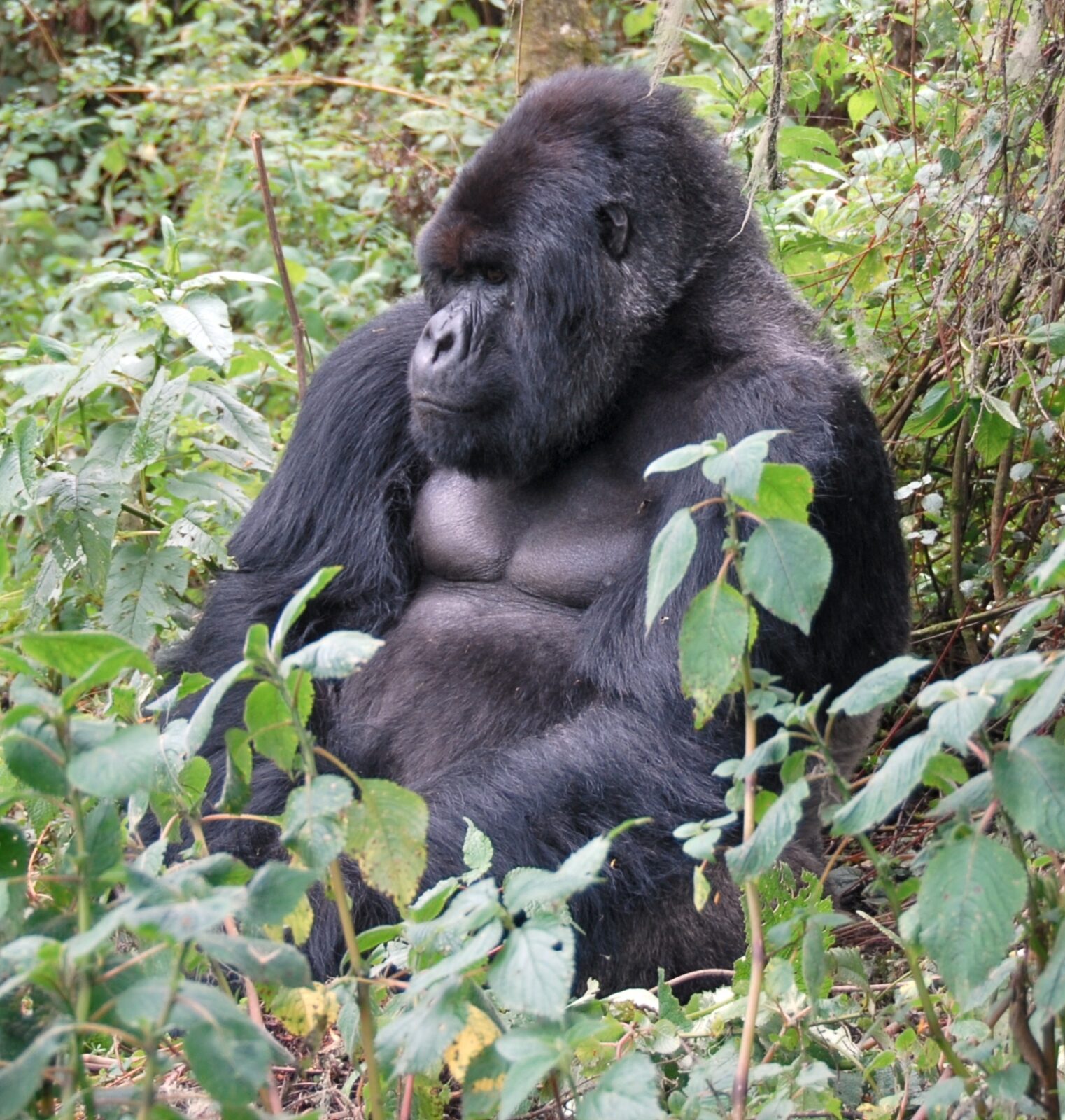
Gaiters aren’t the most glamorous item on a gorilla trekking packing list, and plenty of first-time trekkers skip them entirely without knowing what they’re actually for – right up until they’re standing calf-deep in Bwindi’s mud with safari ants working their way up a bare ankle. Do I need gaiters for gorilla trekking deserves a genuinely practical answer, not just a checklist mention.
This guide covers what gaiters actually do on a gorilla trek, whether they’re genuinely necessary or just a nice-to-have, and how to choose and use them properly.
Why This Question Comes Up So Often Among First-Timers
Trekkers researching gorilla trekking packing lists frequently encounter gaiters as an unexplained checklist item, without a clear sense of whether they’re genuinely essential gear or an optional extra worth skipping to save pack weight – worth understanding exactly what problem gaiters solve before deciding either way.
The Short Answer: Genuinely Recommended, Not Strictly Mandatory
Gaiters aren’t required by any park authority, but they’re genuinely recommended by experienced guides and past trekkers alike for the specific protection they offer against mud, moisture, and biting insects – worth treating as a strong practical recommendation rather than an optional accessory to skip casually.
What Gaiters Actually Protect Against on a Real Trek Day
Gaiters cover the gap between your boot top and lower leg, genuinely protecting against three specific things: mud and water intrusion into your boots, thorny vegetation scratching bare lower legs, and safari ants or other insects climbing up from ground level – worth understanding these three distinct benefits rather than treating gaiters as one vague protective layer.
Why Safari Ants Specifically Make Gaiters Worth Considering
Bwindi and other regional forests genuinely host safari ant colonies that can swarm quickly if you stand near a disturbed nest, and gaiters provide a real physical barrier that meaningfully slows their ability to reach bare skin – worth taking this specific, commonly-reported trekker experience seriously when deciding on gaiters.
How Gaiters Help Keep Your Boots Genuinely Dry
Beyond insect protection, gaiters genuinely help prevent mud and water from entering over your boot top during stream crossings or particularly muddy sections, meaning drier feet throughout your trek – worth considering this practical benefit even in destinations with more moderate mud conditions.
Why Some Experienced Trekkers Consider Gaiters Optional
Trekkers who’ve completed multiple treks sometimes report managing fine without gaiters, particularly during drier seasons or on gentler sectors with less mud and undergrowth – worth weighing this honestly against your own trek’s specific season, sector, and personal risk tolerance for insects and wet feet.
What Type of Gaiters Actually Work Best for This Terrain
Mid-calf to knee-high gaiters designed for hiking, rather than lightweight running gaiters meant purely for trail debris, offer genuinely better protection against Bwindi’s specific combination of mud, water, and insects – worth choosing purpose-appropriate gear rather than whatever gaiters you already own for a different activity.
Why Renting or Borrowing Gaiters Might Be a Practical Option
Some tour operators and lodges genuinely offer gaiters for rent or loan, worth asking about directly if you don’t want to purchase a dedicated pair for what might be a one-time trip – this can be a genuinely practical middle ground between skipping them entirely and buying new gear.
How Gaiters Work Together With Your Other Gear
Gaiters genuinely work best as part of a complete lower-leg protection system alongside sturdy waterproof boots and appropriate trousers tucked in properly – worth thinking about your full lower-body gear setup together rather than treating gaiters as an isolated, standalone item.
Why Season and Sector Genuinely Affect How Much Gaiters Matter
Wetter months and muddier sectors like Nkuringo or Rushaga make gaiters genuinely more valuable, while drier season treks on gentler terrain like Buhoma reduce their practical necessity somewhat – worth factoring your specific trek’s season and sector into your final packing decision.
What Rangers and Guides Say About Gaiters
Guides who lead treks regularly consistently mention gaiters as a genuinely worthwhile addition for trekkers concerned about safari ants or wet feet specifically, though they don’t treat them as strictly essential the way sturdy boots are – worth taking this practical, ground-level perspective into account.
How to Actually Put Gaiters On Correctly Before Your Trek
Gaiters work best when fitted snugly over your boot and secured properly with the under-boot strap and top closure before you start walking, rather than adjusted awkwardly mid-trek once you’re already in muddy terrain – worth practicing putting them on at home before your trip so it’s second nature on the actual trek morning.
Why Breathable Fabric Matters More Than Trekkers Initially Expect
Given the trek’s genuine physical exertion combined with the region’s warm, humid climate, choosing gaiters made from breathable rather than fully waterproof fabric often provides a better overall comfort balance, since fully waterproof gaiters can trap heat and moisture against your legs during a demanding multi-hour trek.
What Trekkers Say About Gaiters After Their First Trek
Trekkers who wore gaiters on their first trek consistently report being genuinely glad they did, specifically citing safari ant encounters or particularly muddy stretches as the moment their gaiters proved their worth – worth taking this recurring first-hand pattern seriously rather than dismissing gaiters as unnecessary extra gear.
How Gaiters Compare in Cost to Their Practical Benefit
A decent pair of hiking gaiters is genuinely inexpensive relative to your overall trip cost, particularly permit fees and accommodation, making the cost-benefit calculation clearly favor including them given the real protection they offer against common, genuinely unpleasant trek-day annoyances.
Packing Gaiters Alongside the Rest of Your Lower-Body Gear
When packing, storing your gaiters together with your boots and trekking trousers, rather than separately buried elsewhere in your luggage, helps ensure you don’t forget them on trek morning when you’re already managing an early departure and pre-dawn logistics.
Final Thoughts on Deciding Whether You Need Gaiters
Gaiters genuinely earn their pack space for most trekkers, given their real protection against mud, water, and safari ants specifically, even though they’re not strictly mandatory gear – worth packing a pair unless you’re genuinely confident about your specific trek’s conditions and your own tolerance for the risks they address.
Frequently Asked Questions
Are gaiters required by park authorities for gorilla trekking?
No – they’re not mandatory, but genuinely recommended by guides and experienced trekkers for the real protection they offer against mud, insects, and moisture.
Do gaiters actually help against safari ants?
Yes, genuinely – they provide a real physical barrier that meaningfully slows ants from reaching bare skin, a commonly reported concern among trekkers.
Can I rent gaiters instead of buying my own?
Some operators and lodges genuinely offer this, worth asking about directly if you’d rather not purchase dedicated gear for a one-time trip.
What type of gaiters work best for gorilla trekking?
Mid-calf to knee-high hiking gaiters, rather than lightweight trail-running gaiters, offer genuinely better protection against this specific terrain’s mud and insects.
Do I still need gaiters during the dry season?
Less critically, but they still offer real protection against safari ants and thorny vegetation regardless of season, worth considering even in drier months.
Does my choice of sector affect how much I need gaiters?
Yes, meaningfully – muddier, more overgrown sectors like Nkuringo or Rushaga make gaiters genuinely more valuable than gentler sectors like Buhoma.
Do gaiters replace the need for waterproof boots?
No – they work best as part of a complete system alongside sturdy waterproof boots, not as a standalone substitute for proper footwear.
Have experienced trekkers managed without gaiters?
Some have, particularly in drier seasons or gentler sectors, worth weighing honestly against your own trek’s specific conditions and risk tolerance.
Should first-time trekkers prioritize gaiters over other gear?
Worth including on your packing list, though sturdy boots and rain protection remain the higher priority items if you must choose selectively.
Do guides consider gaiters essential gear?
Generally recommended rather than strictly essential – guides consistently mention them as worthwhile without treating them as absolutely mandatory.
Should I choose waterproof or breathable gaiters?
Breathable often provides better overall comfort, since fully waterproof fabric can trap heat and moisture during a demanding, warm-climate multi-hour trek.
Should I practice putting my gaiters on before my trip?
Worth it, yes – fitting them properly at home makes trek-morning logistics smoother than adjusting them awkwardly for the first time in muddy terrain.
Are gaiters worth the cost relative to my overall trip budget?
Genuinely, yes – they’re inexpensive relative to permit fees and accommodation, making the cost-benefit calculation clearly favor including them.
Where should I pack my gaiters so I don’t forget them?
Store them with your boots and trekking trousers rather than separately, so they’re easy to find during an early trek-morning departure.
Plan the Rest of Your Trip
For the full packing picture, this complete packing checklist is worth reading, alongside this boots guide. For further preparation, this rain gear guide is a useful next read, and this full cost breakdown helps you budget your trip.