
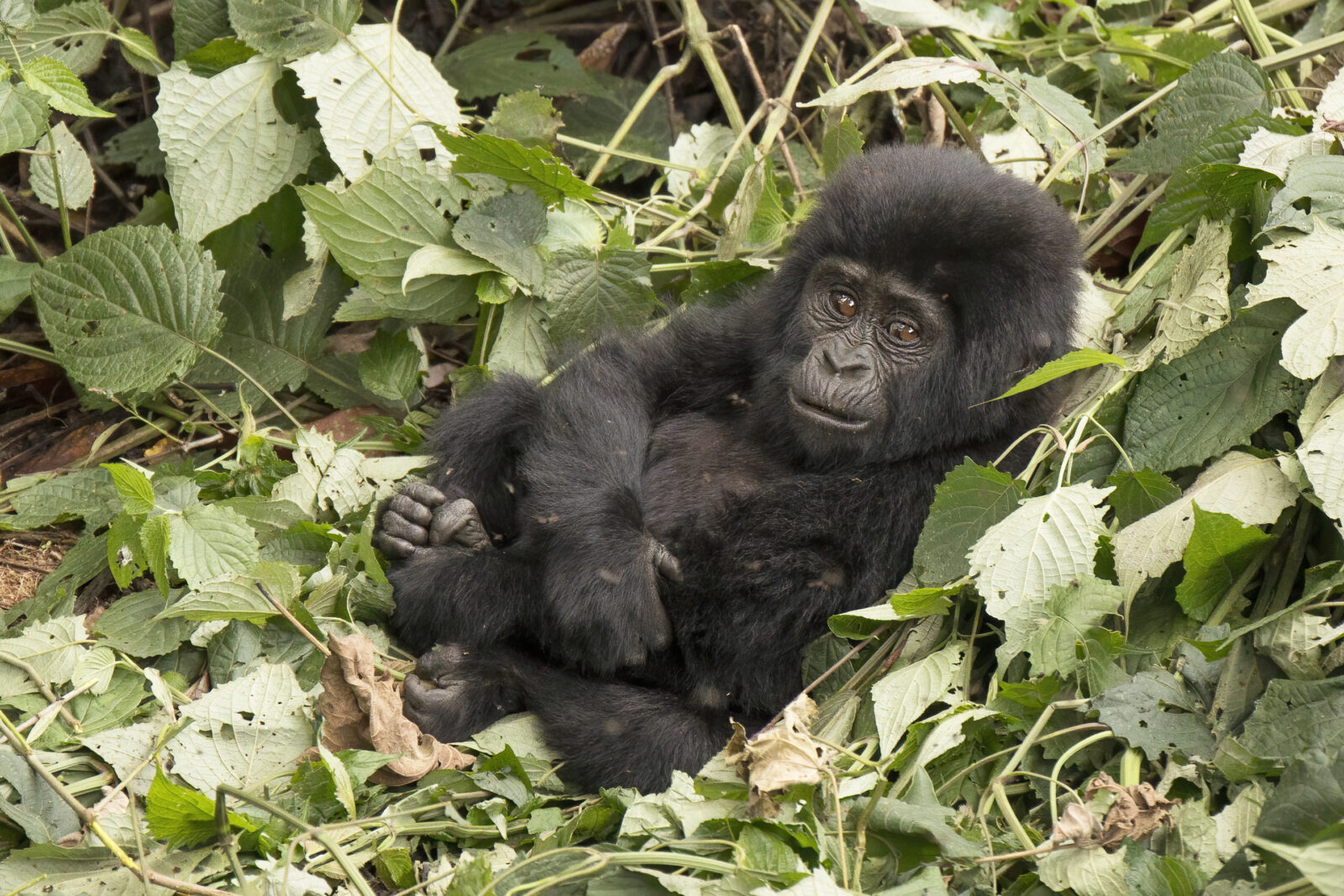
Bwindi Impenetrable National Park earns its name honestly, and trekkers researching this destination want a genuinely specific answer about what physical condition actually gets you through a trek here, not a generic “moderate fitness” line that could apply to any hiking trip anywhere. What fitness level do I need for gorilla trekking in Bwindi Impenetrable National Park deserves a real answer grounded in this park’s specific terrain, altitude, and trek-day realities.
This guide covers Bwindi’s actual physical demands, how to prepare genuinely well before you travel, and what to expect on trek day regardless of your current fitness level.
Why Bwindi’s Terrain Deserves a Specific Answer, Not a Generic One
Bwindi’s forest floor is genuinely steep, dense, and often muddy in a way that a generic “you should be reasonably fit” answer doesn’t adequately convey – this is a rainforest ecosystem with real elevation changes, not a groomed trail, and understanding that specificity upfront helps you prepare honestly rather than arriving underprepared.
The Short Answer: Moderate to Good Fitness, Genuinely Tested by Variable Terrain
Trekkers don’t need marathon-level conditioning for Bwindi, but a baseline of moderate to good cardiovascular fitness and comfort walking on uneven, sometimes steep ground for several consecutive hours is genuinely necessary – this isn’t a walk in the park, literally, and treating it as one leads to a genuinely miserable trek day.
How Bwindi’s Elevation Profile Specifically Affects Trek Difficulty
Bwindi sits at a moderate altitude, roughly 1,160 to 2,607 meters across the park, meaning trekkers do feel some thinner-air effect on exertion compared to sea level, though it’s genuinely less extreme than Rwanda or Congo’s volcanic terrain – worth understanding as a real but secondary factor behind the terrain itself.
Why Trek Duration Varies So Much and What That Means for Fitness
Gorilla families move, so trek duration in Bwindi genuinely ranges from roughly two hours to a full day depending on where the group is located on a given morning, meaning your actual physical output on any specific trek day is somewhat unpredictable – worth preparing for the longer end of that range rather than assuming a short trek.
What Bwindi’s Mud and Vegetation Specifically Add to the Challenge
Beyond elevation, Bwindi’s genuinely dense undergrowth and frequently muddy, slippery conditions (especially during wetter months) add a real balance and stamina demand that a simple distance-and-incline description doesn’t fully capture – worth building ankle stability and general balance into your pre-trip preparation, not just cardio.
How Bwindi’s Difficulty Compares to Rwanda’s Volcanoes National Park
Bwindi’s terrain is generally considered comparably or slightly more physically demanding than Rwanda’s Volcanoes National Park in day-to-day trekking conditions, given its genuinely dense, uneven forest floor versus Volcanoes’ more open volcanic slopes, though both destinations demand real fitness and neither should be treated as easy.
Building a Realistic Pre-Trip Fitness Routine
Regular hiking on genuinely varied terrain, stair climbing, and general cardiovascular conditioning in the two to three months before your trip meaningfully improves your trek-day experience, worth starting early rather than cramming preparation into the final weeks before departure.
Why Porters Matter More Than Many Trekkers Initially Assume
Hiring a porter, a genuinely modest cost that also directly supports the local community, meaningfully reduces the physical toll of carrying your own daypack across Bwindi’s demanding terrain – worth budgeting for regardless of your personal fitness level, not just as an accommodation for less-fit trekkers.
What Rangers Actually Look for When Assessing Trekker Fitness
Rangers assess your general mobility and stated fitness informally at the pre-trek briefing, primarily to determine group pacing and whether additional support like a sedan chair might be worth discussing, rather than running any formal fitness test – worth being honest about your actual condition at this stage.
How Sector Choice Within Bwindi Affects Difficulty
Bwindi’s four trekking sectors – Buhoma, Ruhija, Rushaga, and Nkuringo – genuinely vary in typical terrain difficulty, with Buhoma generally considered the gentlest and Rushaga and Nkuringo generally considered more demanding, worth discussing directly with your operator if fitness is a significant factor in your planning.
What a Realistic Trek Day Actually Looks Like Physically
A typical Bwindi trek day starts with an early morning briefing, followed by a guided hike of variable length and difficulty, an hour with the gorillas once located, and then the return hike – worth mentally preparing for a full, physically active day rather than a brief scheduled activity.
Why Hydration and Pacing Matter as Much as Raw Fitness
Steady pacing set by your guide, along with genuinely consistent hydration throughout the trek, matters as much as raw fitness level in how manageable the day feels – worth trusting your guide’s pace rather than pushing ahead or falling significantly behind the group’s rhythm.
What to Do If You’re Concerned About Your Current Fitness
Being honest with your operator about your specific fitness concerns well before your trek date allows them to recommend the gentlest realistic sector, arrange extra porter support, or suggest a sedan chair – worth raising early rather than discovering limitations on the morning of your trek.
How the Habituation Experience Compares in Physical Demand
Uganda’s gorilla habituation experience, offered in Rushaga, involves a longer overall day than standard trekking but doesn’t necessarily mean more difficult terrain – worth discussing with your operator as an alternative structure rather than assuming it’s automatically the harder option.
Building Recovery Time Into Your Broader Itinerary
Given Bwindi’s genuine physical demands, building a lighter following day into your itinerary rather than scheduling another strenuous activity immediately afterward helps your body recover properly, worth planning for explicitly when structuring your broader Uganda trip.
What Experienced Trekkers Wish They’d Known Beforehand
Trekkers who’ve completed Bwindi treks consistently mention two things in hindsight: underestimating how much the mud and uneven footing, rather than the incline itself, slowed their pace, and being genuinely glad they’d hired a porter even when they considered themselves reasonably fit going in – worth taking both lessons seriously in your own preparation.
How Weather and Season Affect the Physical Difficulty
Bwindi’s wetter months, roughly March through May and September through November, genuinely increase the physical challenge through slicker, muddier trails, while the drier months offer somewhat firmer footing – worth factoring into your fitness preparation and gear choices depending on when you’ve booked your trek, though gorilla trekking happens year-round regardless of season.
Final Thoughts on Preparing for Bwindi’s Physical Demands
Bwindi genuinely rewards trekkers who prepare honestly for its specific terrain and elevation demands, rather than either overestimating general fitness as sufficient preparation or being discouraged from an experience that’s genuinely achievable for most reasonably active people with proper preparation and pacing.
Frequently Asked Questions
Do I need to be an athlete to trek in Bwindi?
No – moderate to good general fitness and comfort with uneven, sometimes steep terrain for several hours is genuinely sufficient, not athletic-level conditioning.
Which Bwindi sector is easiest for less-fit trekkers?
Buhoma is generally considered the gentlest of the four sectors, worth discussing directly with your operator if fitness is a significant planning factor.
How long should I prepare before my trek?
Starting a hiking and cardiovascular routine two to three months before departure meaningfully improves your trek-day experience compared to last-minute preparation.
Should I hire a porter regardless of my fitness level?
Genuinely worth it – a porter reduces physical toll while directly supporting the local community, valuable for trekkers of every fitness level, not just less-fit ones.
Does altitude significantly affect Bwindi treks?
Somewhat – Bwindi’s elevation is real but less extreme than Rwanda or Congo’s volcanic terrain, making it a secondary factor behind the forest terrain itself.
Is Bwindi harder than Rwanda’s Volcanoes National Park?
Generally considered comparable or slightly more demanding, given Bwindi’s dense uneven forest floor versus Volcanoes’ more open volcanic slopes.
What if I’m genuinely worried about my fitness before booking?
Discuss it honestly with your operator well in advance – they can recommend the gentlest sector, extra porter support, or a sedan chair option.
Do rangers actually test fitness before the trek?
No formal test – rangers assess mobility informally at the briefing mainly to plan group pacing, not to screen trekkers out.
Should I plan a rest day after my Bwindi trek?
Worth building in explicitly – a lighter following day helps your body recover properly from the trek’s genuine physical demands.
Is the habituation experience more physically demanding than standard trekking?
Not necessarily harder terrain, just a longer overall day – worth discussing with your operator as a different structure rather than assuming extra difficulty.
Does the season I travel in genuinely affect how hard the trek feels?
Yes, meaningfully – wetter months bring slicker, muddier trails that increase physical difficulty regardless of your underlying fitness level, so factor timing into your preparation.
Plan the Rest of Your Trip
For the full cost picture, this Buhoma permit cost guide is worth reading given its gentler terrain, alongside this broader Uganda fitness guide. For further planning, this gorilla safari fitness training guide is a useful next read, and this full cost breakdown helps you budget your trip.