
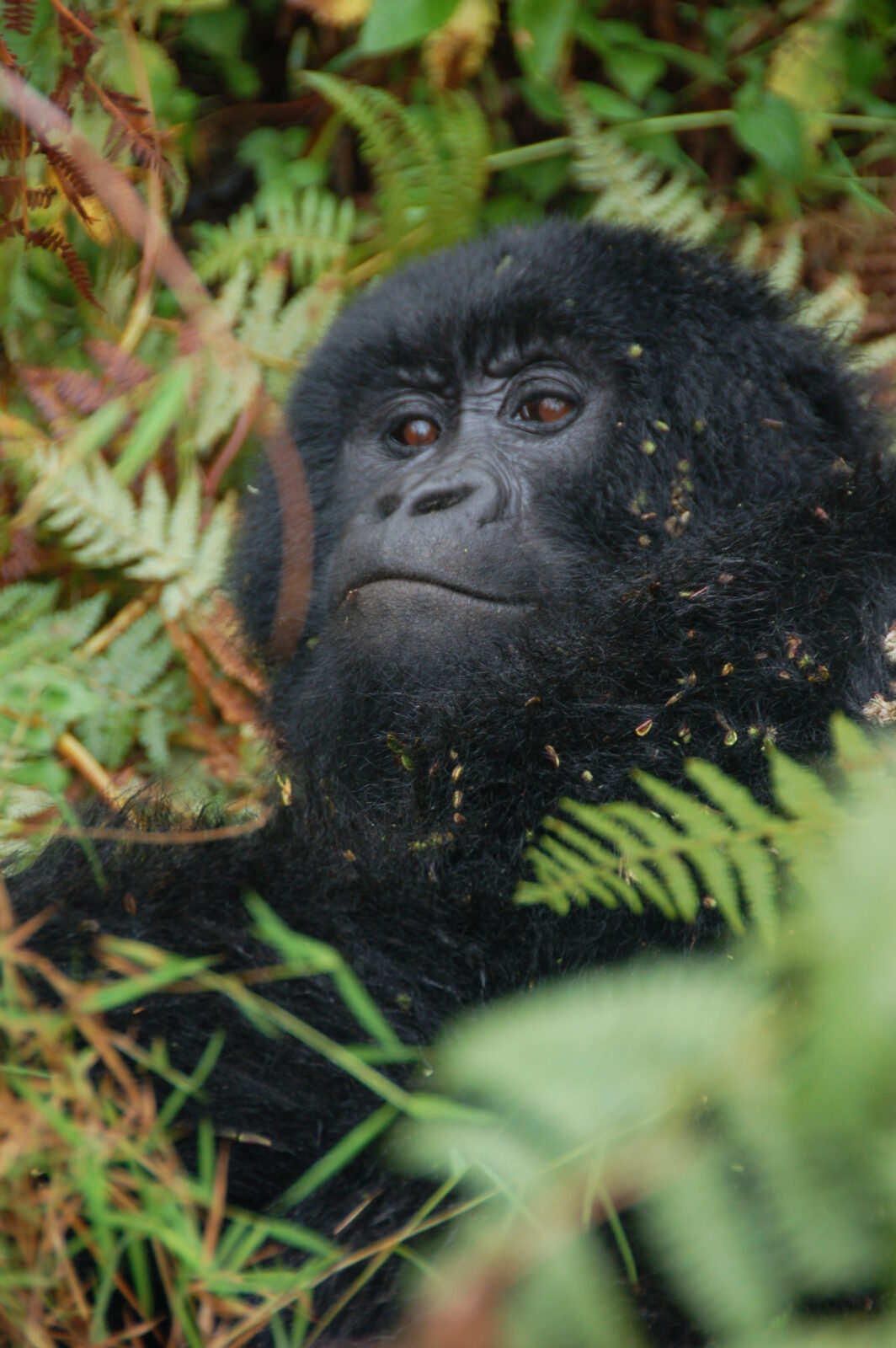
Mgahinga Gorilla National Park sits in a genuinely different landscape than Bwindi’s dense lowland forest – this is volcanic terrain, and trekkers researching this specific park deserve an answer grounded in what that actually means physically, not a generic fitness recommendation borrowed from Uganda’s other gorilla destination. What fitness level do I need for gorilla trekking in Mgahinga Gorilla National Park has a genuinely specific answer shaped by this park’s volcanic slopes and smaller single habituated family.
This guide covers Mgahinga’s specific physical demands, how its volcanic terrain differs from Bwindi’s forest floor, and how to prepare properly for a trek here.
Why Mgahinga Deserves Its Own Answer, Separate From Bwindi
Mgahinga is genuinely a different park with different terrain from Bwindi, built around the slopes of three extinct volcanoes rather than dense lowland rainforest, meaning fitness advice calibrated for Bwindi doesn’t transfer directly – worth understanding this park’s own specific demands before assuming your Bwindi preparation research applies unchanged.
The Short Answer: Good Fitness, With Genuine Volcanic-Slope Demands
Trekkers need good general fitness and real comfort with sustained uphill walking on volcanic slopes, which behave differently underfoot than forest floor – this isn’t necessarily harder than Bwindi, but it’s differently demanding, and treating the two parks as interchangeable in your preparation is a genuine mistake.
How Mgahinga’s Volcanic Terrain Specifically Differs From Forest Trekking
Volcanic slopes typically mean firmer, rockier ground than Bwindi’s often-muddy forest floor, with a more consistent uphill gradient rather than Bwindi’s unpredictable undergrowth-tangled terrain – worth adjusting your specific preparation toward sustained incline walking rather than balance-heavy uneven-footing training.
Why Mgahinga’s Smaller Gorilla Family Affects Trek Planning
Mgahinga has historically hosted just one habituated gorilla family, the Nyakagezi group, meaning permit numbers here are genuinely smaller and more limited than Bwindi’s multiple sectors – worth understanding this affects your booking planning even though it doesn’t directly change the physical fitness demand itself.
How Altitude Plays a Real Role at Mgahinga
Mgahinga’s elevation genuinely runs higher on average than Bwindi’s range, given its volcanic setting, meaning trekkers do feel a real thinner-air effect during sustained uphill sections – worth building this into your expectations, particularly if you’re not acclimatized to higher elevations before arriving.
Why the Nyakagezi Family’s Movement Patterns Affect Trek Length
The Nyakagezi group is known for occasionally ranging into neighboring Rwanda or Congo’s contiguous volcanic terrain, which can mean a genuinely longer or more variable trek duration than a typical Bwindi day – worth mentally preparing for a potentially longer trek than the average estimate suggests.
Building a Preparation Routine Specific to Volcanic-Slope Trekking
Stair climbing, hill repeats, and sustained incline treadmill walking in the months before your trip specifically prepare your legs and cardiovascular system for Mgahinga’s consistent uphill demand better than flat-ground cardio alone – worth tailoring your training toward this park’s specific terrain profile.
Why Porters Are Worth Hiring Here Just as Much as Anywhere Else
Hiring a porter for Mgahinga’s volcanic slopes offers the same genuine benefit as anywhere else in the region – reduced physical toll from your daypack, plus direct income for the local community – worth budgeting for regardless of how fit you consider yourself.
How Mgahinga Compares to Rwanda’s Volcanoes National Park
Given both parks sit on the same volcanic range straddling the Uganda-Rwanda border, Mgahinga’s physical demands genuinely resemble Volcanoes National Park’s more than they resemble Bwindi’s – worth using Rwanda-side trekking accounts as a more relevant comparison than Bwindi-side ones when researching what to expect.
What a Realistic Trek Day Looks Like at Mgahinga
A Mgahinga trek day follows the standard structure – early briefing, guided ascent toward the gorilla family’s current location, an hour of viewing time, and the return descent – but with the consistent uphill volcanic-slope walking as the defining physical characteristic throughout, worth mentally preparing for specifically.
Why Golden Monkey Tracking Offers a Useful Fitness Comparison
Mgahinga also offers golden monkey tracking, generally considered less physically demanding than gorilla trekking here, worth knowing about if you’re traveling with companions of varying fitness levels who want a genuine wildlife encounter without the gorilla trek’s fuller physical demand.
What Rangers Consider When Planning Your Specific Trek
Rangers at Mgahinga informally assess trekker mobility at the briefing, much as at other parks, primarily to set realistic pacing expectations given the volcanic terrain’s consistent gradient – worth being honest about your fitness level and any concerns at this stage rather than downplaying them.
Preparing for Weather’s Real Effect on Volcanic-Slope Difficulty
Rain genuinely makes volcanic slopes more slippery in a different way than it makes forest floor muddy, so checking seasonal conditions and packing appropriate footwear with real grip matters specifically for Mgahinga’s terrain type, worth researching alongside your general trip timing decisions.
Why Mgahinga’s Remoteness Adds an Extra Planning Consideration
Mgahinga sits in Uganda’s far southwestern corner, genuinely more remote and less frequently visited than Bwindi, meaning access roads and the overall travel logistics leading up to your trek day add their own layer of consideration beyond the trek itself – worth building extra travel time into your itinerary rather than assuming quick, easy access.
What Combining Mgahinga With a Multi-Park Itinerary Means Physically
Trekkers who combine a Mgahinga gorilla trek with golden monkey tracking or a visit to neighboring Bwindi within the same trip should budget genuine recovery time between activities, since back-to-back demanding treks compound physical fatigue in a way that a single isolated trek day doesn’t – worth spacing strenuous activities across your itinerary rather than stacking them consecutively.
How Group Size Affects the Physical Pace of Your Trek
Given Mgahinga’s genuinely smaller permit allocation, trekking groups here tend to be smaller than at Bwindi’s busier sectors, which in practice often means a pace more easily tailored to the group’s actual collective fitness level rather than a larger group’s more rigid, harder-to-adjust pacing – worth viewing as a genuine advantage if fitness is a concern for anyone in your party.
Final Thoughts on Preparing for Mgahinga’s Specific Demands
Mgahinga rewards trekkers who prepare specifically for volcanic-slope terrain rather than assuming general “gorilla trekking fitness” research from other parks transfers unchanged – genuine incline-focused conditioning and honest communication with your operator make this genuinely achievable for most reasonably fit travelers.
What Trekkers Coming Straight From Sea-Level Destinations Should Know
Trekkers arriving directly from a coastal safari leg or a low-elevation city, without any acclimatization time built in, sometimes underestimate how much Mgahinga’s genuine altitude affects exertion on the first uphill stretch – worth building even a single rest day at moderate elevation into your itinerary before your trek date if your schedule allows it.
Frequently Asked Questions
Is Mgahinga harder than Bwindi?
Not necessarily harder, but differently demanding – Mgahinga’s consistent volcanic-slope incline versus Bwindi’s uneven, often-muddy forest floor require somewhat different physical preparation.
How many gorilla families can I trek at Mgahinga?
Historically just one, the Nyakagezi group, meaning genuinely limited permit availability compared to Bwindi’s multiple sectors and families.
Does altitude matter more at Mgahinga than Bwindi?
Yes, generally – Mgahinga’s volcanic elevation runs higher on average, so the thinner-air effect during sustained uphill sections is more noticeable.
Should I train differently for Mgahinga than for Bwindi?
Worth it, yes – sustained incline training like stair climbing and hill repeats prepares you better for Mgahinga’s consistent uphill slopes than flat-ground cardio alone.
Is golden monkey tracking a good alternative for less-fit companions?
Generally, yes – it’s considered less physically demanding than gorilla trekking, worth considering for travel companions with varying fitness levels.
Can the Nyakagezi family’s movement make treks longer?
Yes, at times – they occasionally range toward neighboring Rwanda or Congo’s contiguous terrain, which can extend trek duration beyond the average estimate.
Is Mgahinga more comparable to Bwindi or Volcanoes National Park?
Volcanoes National Park – both sit on the same volcanic range, so Rwanda-side trekking accounts are a more relevant physical-demand comparison.
Should I hire a porter for Mgahinga even if I’m quite fit?
Worth it regardless – it reduces physical toll while directly supporting the local community, a genuine benefit at every fitness level.
Does rain make Mgahinga’s terrain more dangerous?
It makes volcanic slopes genuinely more slippery, so appropriate footwear with real grip and checking seasonal conditions matters specifically here.
Do rangers formally test my fitness before the trek?
No – they informally assess mobility at the briefing mainly to set realistic pacing for the group, not as a formal screening process.
Should I combine Mgahinga with another park in the same trip?
You can, but budget genuine recovery time between demanding activities rather than stacking consecutive strenuous treks without rest days in between.
Are Mgahinga’s trekking groups smaller than Bwindi’s?
Generally yes, given the smaller permit allocation, which in practice often allows pacing more easily tailored to your group’s actual fitness level.
Should I acclimatize before trekking at Mgahinga’s altitude?
Worth considering if arriving straight from sea level – even a single rest day at moderate elevation beforehand can meaningfully ease the first uphill stretch.
Plan the Rest of Your Trip
For the full cost picture, this full cost breakdown is worth reading alongside this Bwindi fitness guide for a useful comparison. For broader planning, this Uganda-wide fitness guide is a helpful next read, and this gorilla safari fitness training guide covers preparation in more depth.