
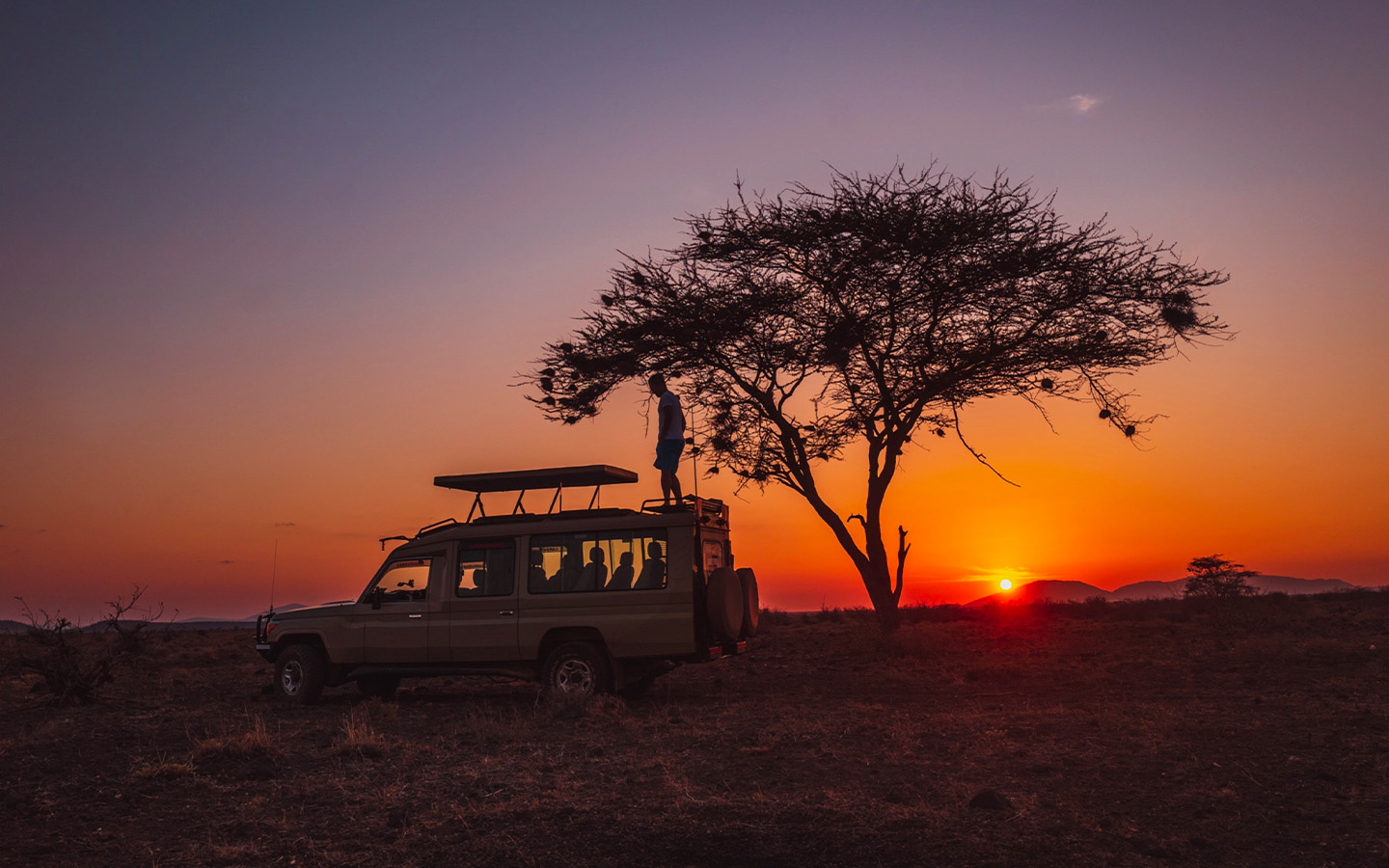
Game Drive in Queen Elizabeth: What Animals You’re Likely to See
Travelers booking their very first Queen Elizabeth National Park game drive often arrive with expectations already shaped by East Africa’s more famous savanna destinations, the Serengeti, the Maasai Mara, imagining a broadly similar experience without understanding what actually distinguishes wildlife viewing here. Queen Elizabeth offers a genuinely different mix of species and viewing conditions shaped by the park’s varied habitat, savanna, wetland, and forest fringe all within a single protected area, and understanding what you are actually likely to encounter helps set realistic, well-informed expectations before you ever climb into the vehicle for that first early-morning drive. Queen Elizabeth’s Big Five tally is genuinely incomplete, rhinos were extirpated from the park decades ago and have not been reintroduced here, a detail worth knowing upfront so the absence of one specific species does not read as a disappointing surprise partway through the trip.
The Big Mammals You Can Reasonably Expect
Elephants genuinely rank among Queen Elizabeth’s most consistently and reliably sighted large mammals, with a substantial, recovering population spread across the park’s savanna sections, particularly around Ishasha and the areas bordering the Kazinga Channel. Buffalo herds, sometimes numbering well into the hundreds, move across the open plains in dense, tightly cohesive groups that make for genuinely striking viewing even compared to more famous savanna destinations elsewhere in East Africa. Hippos, while more commonly associated with the Kazinga Channel boat cruise specifically, also appear during game drives near water sources, and the park’s substantial population means encountering them on land, particularly during early morning drives, is a genuine, realistic possibility rather than a rare exception to expect.
Uganda’s Famous Tree-Climbing Lions
The Ishasha sector, in the park’s southern reaches, hosts Queen Elizabeth’s most genuinely distinctive wildlife spectacle: lions that climb into fig trees, a behavior documented in only a handful of locations worldwide and rarely observed with this level of consistency anywhere else. Researchers studying the phenomenon have proposed several distinct explanations for this genuinely unusual behavior, escaping ground-level heat, avoiding biting insects, or simply gaining a better vantage point for spotting prey across the surrounding grassland, though no single explanation has been definitively confirmed as the primary driver. Spotting a lion draped lazily across a horizontal branch, seemingly entirely indifferent to the considerable height involved, ranks among the more memorable images travelers bring home from a Queen Elizabeth safari, and it is worth understanding that this behavior concentrates specifically in Ishasha rather than being a general feature of lion behavior across the wider park.
Why Ishasha Specifically Produces This Behavior
Not every single Queen Elizabeth lion population exhibits this tree-climbing behavior, and the concentration of this specific trait within Ishasha’s pride structure remains an area of genuine ongoing research interest rather than a fully settled scientific question. Some researchers have suggested a learned, culturally transmitted behavior passed down within specific family groups plays a role, since tree-climbing appears more consistently among certain related lions rather than uniformly across the broader Queen Elizabeth lion population, a pattern that would help explain why this specific sector produces such reliable sightings while lions elsewhere in the park rarely if ever display the same habit. Researchers studying this behavior have noted that cubs raised within tree-climbing prides often begin exhibiting the same behavior themselves at a relatively young age, further supporting the theory that this is learned social behavior passed down within specific family lineages rather than an instinct shared uniformly across the species.
Antelope and Smaller Herbivores
Uganda kob, a medium-sized antelope species found in genuinely large, dense numbers across Queen Elizabeth’s open plains, particularly around Kasenyi, represent one of the park’s most consistently visible species, often gathered in substantial herds that make for reliable, easy viewing even on a relatively brief game drive. Waterbuck, distinguished by their shaggy coats and distinctive white ring marking around the rump, and bushbuck, generally more solitary and typically found closer to woodland edges, round out the park’s more commonly encountered antelope species overall. These herbivores form an essential part of the broader food chain supporting Queen Elizabeth’s predator populations, and their consistent visibility across the park’s open sections means most game drives produce reliable antelope sightings even on days when larger predators prove more elusive. Topi, another antelope species present in smaller numbers, occasionally appear in the more open grassland stretches, distinguishable by their darker patches on the upper legs and shoulders, a detail worth mentioning to your guide if you want to specifically look out for this less commonly discussed species during your drive.
Predators Beyond the Famous Tree-Climbing Lions
Leopards genuinely inhabit Queen Elizabeth’s broader landscape as well, though their genuinely solitary, secretive nature makes them considerably harder to spot than lions, generally requiring real luck or a specifically experienced guide who knows current territory patterns to produce a sighting. Hyenas, while considerably less celebrated than the park’s cats, play a genuinely significant, often underappreciated ecological role and are occasionally spotted during game drives, particularly around dawn and dusk when their activity peaks. Understanding that predator sightings generally require more patience and a degree of luck compared to the park’s more reliably visible herbivore populations helps set realistic expectations, since even experienced guides cannot guarantee a specific predator encounter on any single drive regardless of skill or effort. This unpredictability is worth embracing rather than resenting, since it is precisely what makes an eventual predator sighting feel genuinely earned rather than a scripted, guaranteed checklist moment, and many repeat visitors describe an unexpected leopard sighting, arriving without warning after several drives that produced nothing beyond antelope and buffalo, as the single most memorable moment of their entire trip.
Where to Focus Your Game Drive
The Kasenyi plains genuinely offer some of Queen Elizabeth’s most consistently productive general game viewing anywhere in the park, and the terrain’s flat, open character means sightings tend to be visible from a considerable distance well before a vehicle gets close, giving drivers time to position for a clear, unobstructed view without disturbing the animals in the process, a mix of kob, buffalo, and, with genuine luck, lions moving across genuinely open, easily navigable terrain. The Mweya Peninsula area genuinely combines savanna game viewing with close proximity to the Kazinga Channel, giving visitors a genuine chance at both classic plains species and water-associated wildlife within a single, efficiently structured drive through the area. Ishasha, further south, remains the essential destination specifically for tree-climbing lion sightings, though the additional travel time to reach this sector is worth factoring into itinerary planning, particularly for travelers with limited time who need to balance this specific detour against the rest of their Queen Elizabeth activities. Many operators structure multi-day itineraries specifically to include an overnight closer to Ishasha rather than attempting a long round-trip day drive from Mweya, since the extended travel time genuinely eats into productive game-viewing hours if approached as a rushed single-day add-on rather than a properly planned leg of the trip.
Timing Your Drive for the Best Results
Early morning and late afternoon game drives consistently outperform midday drives across nearly every species category, both because animals are more actively moving and feeding during cooler temperatures and because harsh midday light makes photography and general visibility considerably more difficult regardless of how much wildlife happens to be present. Predator sightings specifically benefit from this careful timing, since lions and other cats are considerably more active and visible during these cooler windows compared to the long midday hours they typically spend resting in shade, often well hidden from vehicle sightlines during the hottest part of the day. This is exactly why experienced operators build itineraries around two shorter drives, one departing before sunrise and a second in the final hours before dusk, rather than a single, longer midday outing that might feel more convenient to schedule but consistently produces noticeably fewer sightings across nearly every species category, predators included.
Building a Complete Queen Elizabeth Wildlife Itinerary
Our page on the elephants of Queen Elizabeth National Park covers this specific species in more depth, and our overview of hippo pools of Queen Elizabeth rounds out the water-associated side of the park’s wildlife beyond what a standard game drive alone typically covers. Our broader Queen Elizabeth National Park overview ties these individual wildlife guides together into a single, comprehensive itinerary. A well-planned game drive covering Kasenyi, Mweya, and Ishasha across a multi-day stay gives travelers the strongest realistic chance of encountering the full range of species Queen Elizabeth genuinely has to offer, from the reliably visible kob and buffalo herds to the park’s singular, genuinely rare tree-climbing lions. Travelers who arrive with realistic, well-researched expectations rather than assuming every drive will replicate a wildlife documentary’s highlight reel tend to enjoy the experience considerably more, since the genuine unpredictability of wild animal behavior is precisely what separates an authentic safari from a scripted, guaranteed encounter, and Queen Elizabeth rewards that patience with a genuinely distinctive mix of species found nowhere else in quite the same combination.