
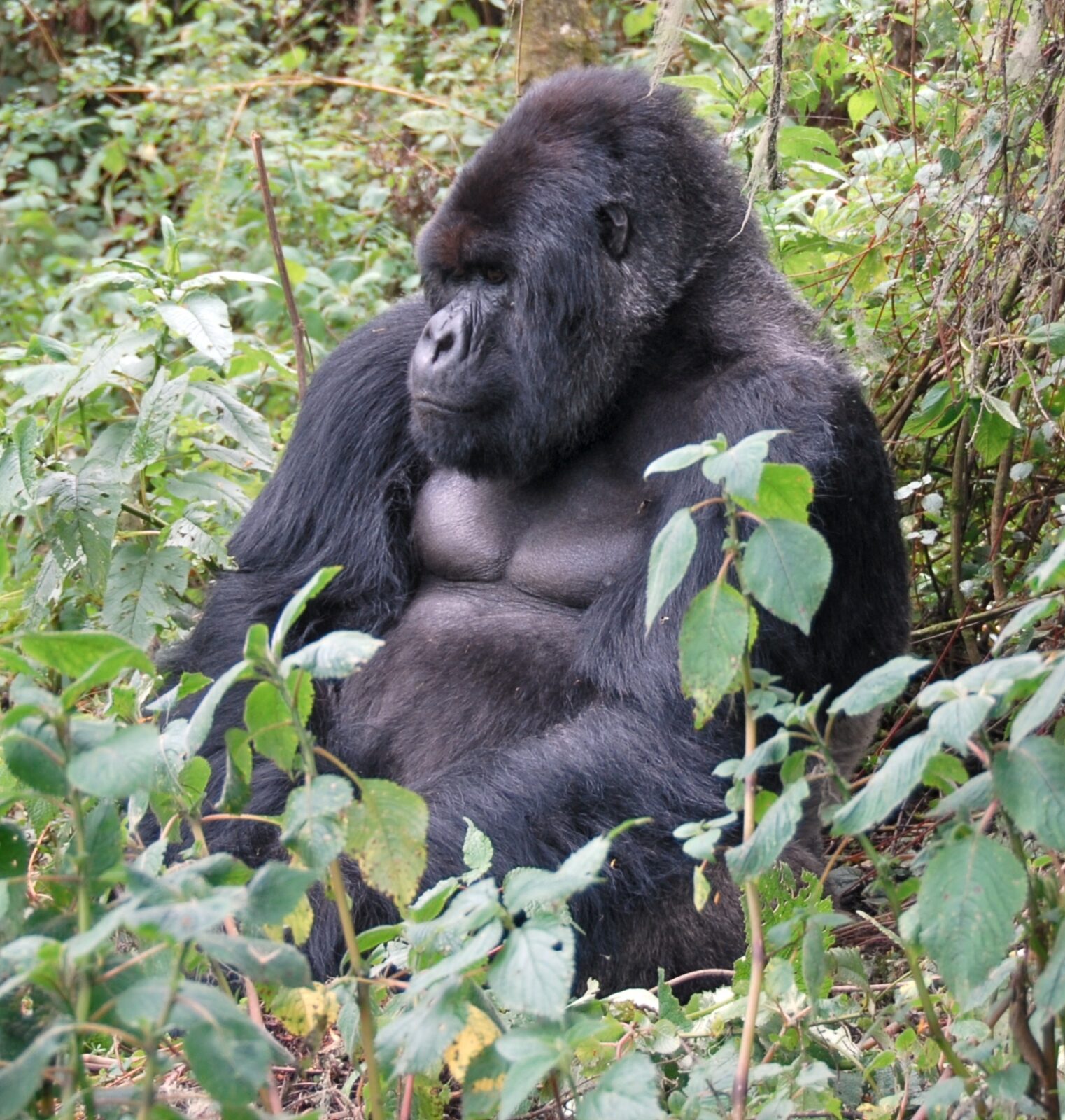
Ask enough returning trekkers to describe their gorilla encounter and a word comes up again and again, one that sounds like an exaggeration until you’ve heard it from dozens of unrelated people independently: life-changing. Gorilla safari life-changing stories aren’t marketing copy dressed up as testimonial – they’re a genuine, recurring pattern worth understanding before you dismiss the phrase as hyperbole.
This isn’t a claim made lightly here, and it’s worth examining honestly what’s actually behind such a strong, consistently repeated word from people describing what is, on paper, a single hour spent watching wild animals.
What “Life-Changing” Actually Tends to Mean in Practice
It’s worth taking this distinction seriously rather than dismissing the whole idea as marketing exaggeration simply because the literal, dramatic version of “life-changing” rarely applies. The more modest, genuine version described here shows up consistently enough across independent accounts to be worth trusting as real.
Trekkers rarely mean their entire life trajectory shifted after one trek. More commonly, they describe a lasting change in perspective – a renewed sense of wonder, a deeper commitment to conservation or environmental causes, or simply a vivid, permanent addition to their sense of what’s possible and worth pursuing in life. The phrase captures something real even when it isn’t literal.
A Recurring Theme: Perspective on Scale and Fragility
This kind of concrete, embodied understanding is genuinely different from intellectual knowledge acquired through reading, and it seems to produce a correspondingly different, more durable emotional commitment to the underlying cause.
Many trekkers describe a genuine shift in how they think about conservation and endangered species after standing close to an animal whose entire global population numbers only just over a thousand individuals. Abstract statistics about extinction risk become concrete and personal once you’ve looked a critically important, hard-won conservation success story directly in the eye, and that shift in understanding sticks with people in ways a documentary or article rarely achieves.
Career and Life Direction Changes, Genuinely Reported
It’s worth being appropriately cautious about overclaiming here – correlation isn’t causation, and people already inclined toward this kind of change may simply be more likely to book a trip like this in the first place. Still, the pattern is real enough that operators and conservation organisations take it seriously as part of the case for why this tourism model works.
A meaningful number of trekkers describe their encounter as a catalyst for actual life changes – increased conservation donations and volunteering, career pivots toward environmental or wildlife-related work, or simply a recommitment to travel and adventure as a genuine life priority rather than something perpetually postponed. These aren’t universal outcomes, but they’re common enough across independent accounts to represent a real pattern rather than isolated anecdote.
Why This Particular Experience Produces Such Strong Reactions
Psychologists who study peak experiences and memorable life events point to exactly this kind of combination – effort, novelty, and profound content together – as a reliable recipe for the strongest, most durable memories and emotional responses across many different contexts, not just wildlife travel specifically.
Several factors combine here that don’t typically occur together in most travel experiences – genuine physical achievement earned through real effort, a profound wildlife encounter with an endangered, closely related species, and an environment about as different from ordinary daily life as most people ever experience. This combination of earned difficulty and profound payoff appears to produce unusually strong, lasting impressions compared to more passive or easily accessed travel experiences.
Stories From Trekkers Who Weren’t Expecting Much
These accounts carry a particular credibility precisely because they came from people with no strong prior investment in being impressed, having arrived with modest, take-it-or-leave-it expectations rather than months of anticipatory hype behind them.
Some of the most striking accounts come from trekkers who went in with modest expectations, perhaps accompanying a more enthusiastic travel partner, only to find themselves unexpectedly moved by the encounter. These reluctant-convert stories are particularly worth noting, since they suggest the effect isn’t simply a case of people who were already primed to be impressed confirming their own expectations.
Approaching Your Own Trek Without Forcing an Outcome
It’s worth going into your own trek without pressuring yourself to have a specific, dramatic reaction, since that kind of forced expectation can paradoxically get in the way of a genuine response. The trekkers who describe the most meaningful experiences generally weren’t trying to manufacture significance – it arrived, when it did, as a natural response to the encounter itself rather than something willed into being.
What This Means for How You Frame Your Trip
Rather than approaching your trek as simply another item checked off a travel list, it’s worth giving yourself permission to actually be affected by it, whatever that ends up looking like for you personally. Some trekkers cry, some go quiet, some feel a surge of protective anger about conservation threats – there’s no single correct emotional response, and the variety of genuine reactions reported is itself part of what makes these stories credible rather than scripted.
Frequently Asked Questions
Is it common to feel emotional during the actual encounter?
Yes, quite common – tears, a lump in the throat, or a sudden overwhelming sense of significance are all frequently reported reactions, alongside plenty of trekkers who describe a calmer, more contemplative response instead.
Do these life-changing accounts hold up on a second or third trek?
Often differently rather than diminished – repeat trekkers frequently describe a calmer, deeper appreciation on return visits rather than the same intensity of first-encounter impact, which many describe as its own valuable, distinct kind of experience.
Should I worry if I don’t feel a dramatic reaction during my own trek?
Not at all. Plenty of trekkers describe a more gradual realisation of the experience’s significance in the days and weeks afterward, rather than an immediate, dramatic reaction during the encounter itself.
If these accounts have you thinking seriously about your own trip, this beginner’s guide is the place to start, and this trekker’s own account of a specific defining moment offers a closer look at what one of these encounters can actually feel like firsthand.