
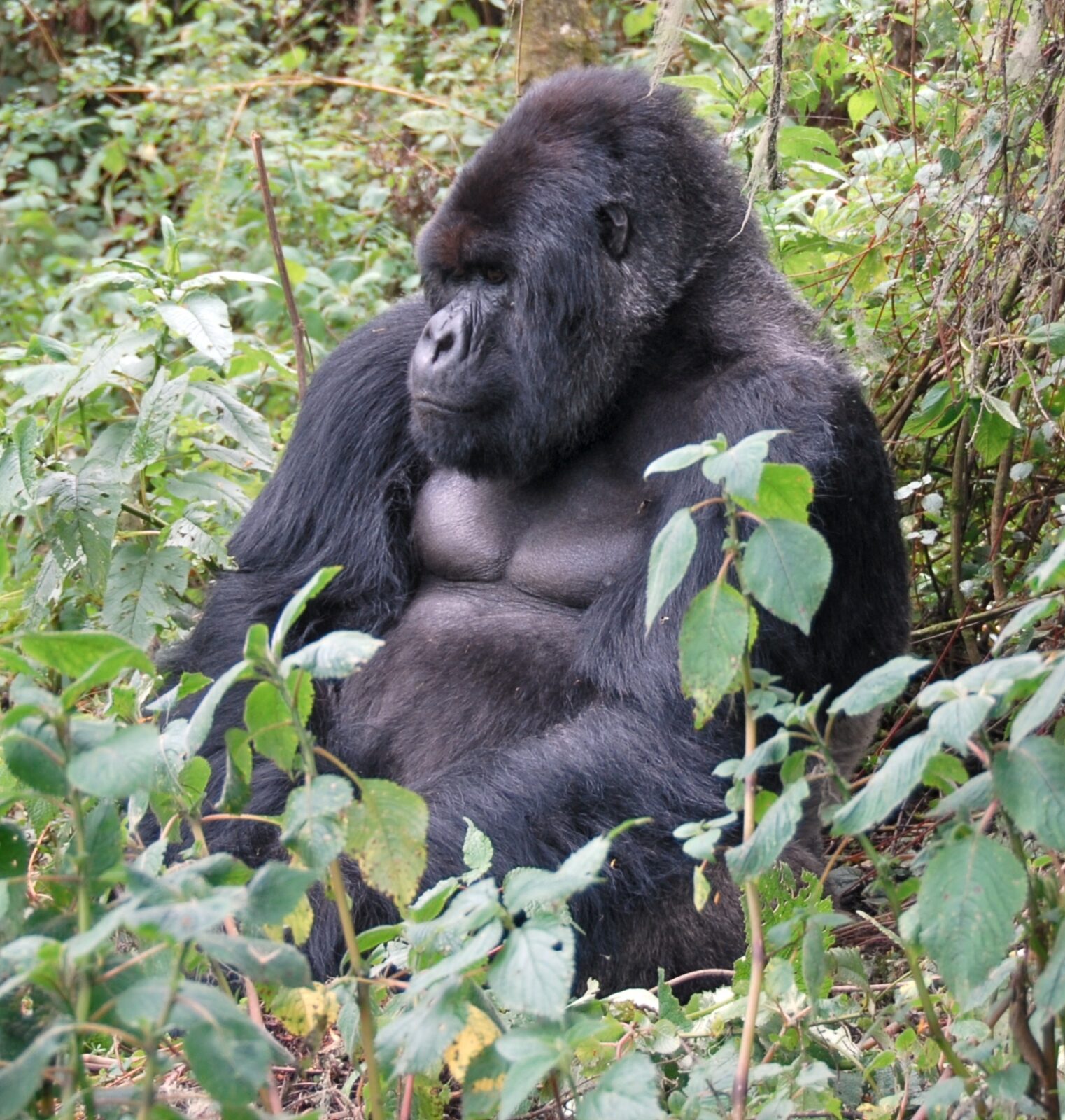
Age alone stops fewer people from gorilla trekking than most assume, and trekkers well into their seventies complete this trek regularly, successfully, and with genuine enjoyment. Gorilla safari at 70: proving it is never too late to trek is worth taking seriously as a real, achievable goal rather than a wishful exception.
Too many prospective trekkers rule themselves out based on age alone, without ever actually testing whether their own fitness and health would genuinely support the trip, which is a shame given how achievable this actually is with the right preparation and mindset.
The stories behind this claim are consistent enough across independent operators and parks that they represent a genuine pattern, not a handful of unusual outliers held up as marketing exceptions.
What Actually Makes This Achievable at 70
It’s worth understanding these built-in accommodations exist specifically because park authorities and operators recognise the trek’s demanding nature and want to make it genuinely achievable across a wide age range, not merely tolerate older trekkers as an exception to standard expectations.
The trek’s pace is set by the group, including its slowest member, and porters are available specifically to help carry gear and provide physical support over difficult sections. Combined with honest preparation and a sensible sector choice, these built-in accommodations mean age seventy is a genuinely manageable starting point for a first trek, not an unusual exception requiring special dispensation.
The Preparation That Actually Matters
None of this preparation is complicated or expensive – it’s simply consistent, unglamorous effort sustained over several months, which is genuinely within reach for most reasonably healthy people in their seventies willing to put the time in beforehand.
Consistent walking practice over several months beforehand, ideally on varied and hilly terrain rather than flat ground alone, builds the specific stamina a trek demands. A frank conversation with a doctor about your current health and any specific conditions, combined with an equally frank conversation with your operator about realistic sector choice, rounds out the preparation that matters most at this stage of life.
Choosing the Right Sector for an Older Trekker
Not all sectors are equally demanding, and discussing this openly with your operator, rather than defaulting to whichever has permit availability, lets you match your specific fitness level to a realistic route. Some sectors are known for gentler terrain and shorter typical distances, which is worth weighing seriously against the appeal of a more remote or scenic but physically demanding alternative.
Porters: Not a Concession, a Sensible Choice
Hiring a porter isn’t an admission of weakness or a lesser version of the experience – it’s simply a sensible way to manage a genuinely demanding physical day, used by trekkers of every age and fitness level. At seventy, treating porter support as a standard part of your plan rather than a last resort tends to produce a considerably more enjoyable day.
What Trekkers in Their Seventies Actually Report
These accounts are worth taking seriously as genuine data points rather than dismissing as unusually fit outliers, since they represent a consistent pattern across many independent trekkers and operators rather than a handful of cherry-picked success stories.
Far from describing the trek as an ordeal survived rather than enjoyed, most older trekkers who complete it describe genuine satisfaction and pride, often specifically citing the achievement itself as adding meaning to an already profound wildlife encounter. The physical challenge, properly prepared for, becomes part of the story rather than an obstacle regretted afterward.
When It Genuinely Might Not Be the Right Choice
Honest self-assessment matters here as much as enthusiasm. Significant mobility limitations, certain cardiac or respiratory conditions, or a doctor’s specific caution against strenuous activity at altitude are all genuine reasons to reconsider or seek medical clearance first, rather than pushing ahead purely on determination alone. This isn’t about discouraging older trekkers broadly – it’s about making sure enthusiasm is paired with realistic judgement.
Stories Worth Hearing Before You Decide
Talk to enough operators working in Bwindi or the Virungas and most will have a specific memory of a trekker in their seventies or even eighties who completed a trek that surprised everyone involved, sometimes outpacing younger group members through sheer determination and steady, unhurried pacing. These stories aren’t outliers held up purely for marketing – they’re genuinely common enough that experienced guides stop being surprised by them.
What these accounts have in common isn’t exceptional fitness so much as exceptional preparation and realistic self-awareness – trekkers who trained seriously, communicated honestly with their operator, and accepted porter support without ego getting in the way of a sensible decision.
Frequently Asked Questions
Is there a formal upper age limit for gorilla trekking?
No formal upper limit exists across Uganda, Rwanda, or the DRC, though a level of physical capability and, ideally, a doctor’s input for anyone with significant health concerns is expected regardless of age.
Should I get a doctor’s clearance before booking if I’m in my seventies?
It’s a sensible precaution, particularly if you have any existing health conditions, given the trek’s genuine physical demands and the altitude involved. A doctor familiar with your specific health history can advise more precisely than general guidance alone.
Do operators treat older trekkers differently during the actual trek?
Not differently in terms of the rules and encounter itself, but a good operator will be more attentive to pacing and check-ins throughout the day, and will have already discussed porter support and sector choice with you in advance.
For more on preparing properly regardless of age, this guide to gorilla safaris for over 60s and this fitness training guide cover the practical preparation that makes a trek at any age genuinely achievable.