
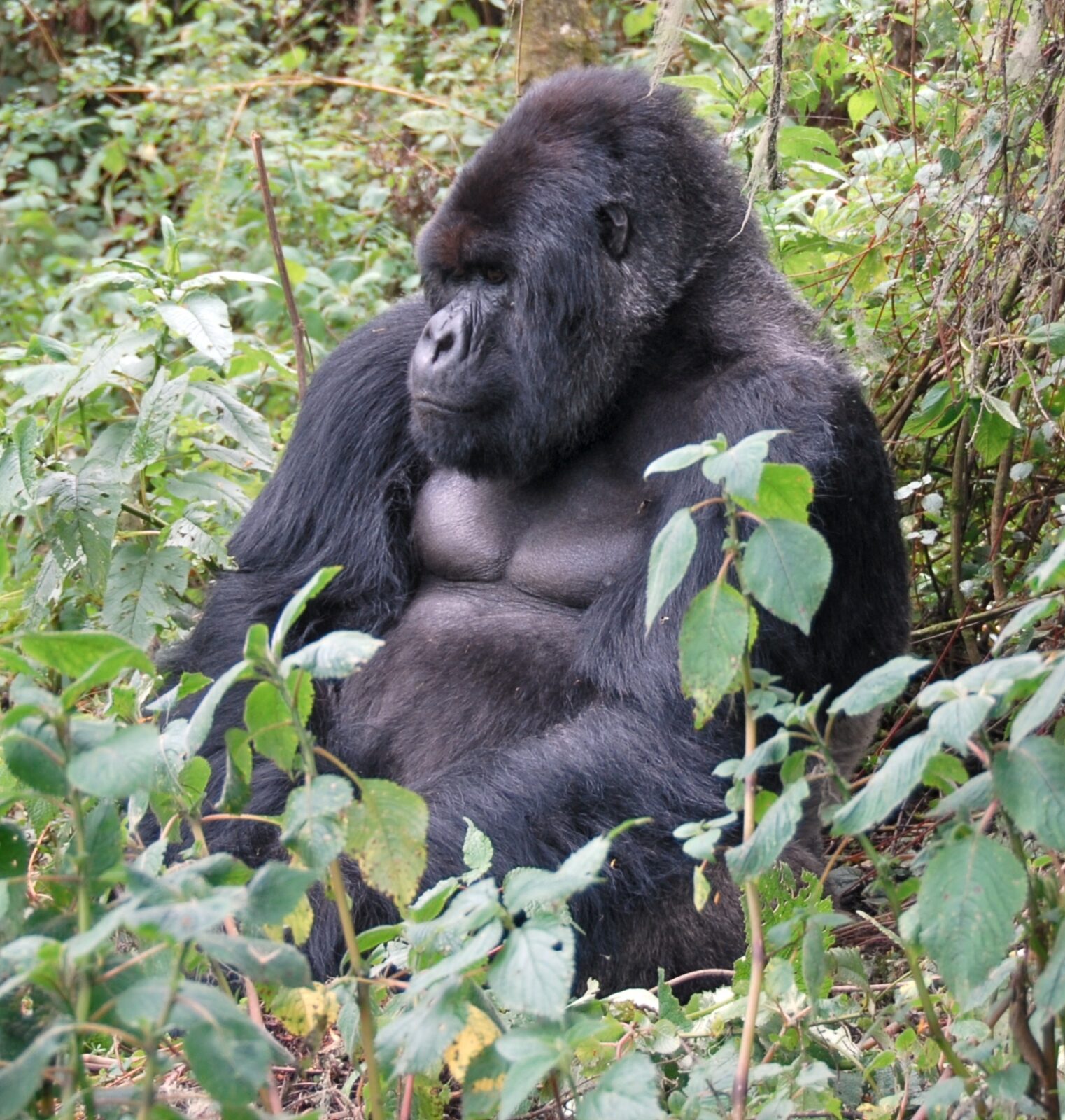
For many trekkers, this is genuinely a once-only trip – the cost, the travel distance, and the physical demands mean a single gorilla trek, done properly and remembered fully, is the realistic plan rather than the first of many return visits. Once in a lifetime gorilla safari: how to make every moment count is worth thinking through deliberately if this describes your own situation.
Treating a trip this way changes how you should plan it from the very beginning, shifting priorities toward depth and presence rather than efficiency or ticking off the widest possible range of activities.
Choosing Depth Over Breadth in Your Itinerary
This runs counter to a very natural instinct when you know you’re unlikely to return, but the evidence from trekkers who’ve actually made both choices points consistently in the same direction, worth taking seriously even when it feels counterintuitive at the planning stage.
It’s tempting to cram as much as possible into a single trip you may never repeat, but trekkers who’ve done this both ways consistently recommend the opposite instinct – fewer activities, done unhurried and fully present, tend to be remembered more vividly than a packed schedule rushed through at speed. Consider whether each addition to your itinerary genuinely adds to the experience or simply adds logistics and fatigue.
Building In Time to Actually Process the Experience
This unstructured buffer is easy to cut when an itinerary starts feeling too long or expensive, but it’s consistently one of the last things trekkers regret adding and one of the first things they wish they’d built in when it’s missing.
A trek followed immediately by a rushed transfer to the next activity leaves little room to actually absorb what just happened. Building at least a half day, ideally a full day, of unstructured time immediately after your trek – simply resting at your lodge, writing in a journal, or quietly reviewing photos – helps the experience settle into memory more deeply than moving straight on to the next scheduled thing.
Investing in the Right Accommodation for This Specific Trip
Given that this is a once-only investment, spending a bit more than you might on an ordinary trip for genuinely excellent accommodation, particularly around your trek days, tends to be money well spent in a way it might not be for a more routine, repeatable holiday. This isn’t about maximum luxury everywhere, but about choosing at least one or two nights that feel deliberately special rather than merely functional.
Documenting Without Letting Documentation Take Over
Photos and video matter, but trekkers who spend the entire encounter behind a lens sometimes describe regretting how little they actually watched with their own eyes. Deliberately setting aside a portion of your hour to simply observe without a camera raised, even just a few minutes, is worth planning for in advance rather than discovering too late that the whole encounter passed through a viewfinder.
Considering the Habituation Permit If Budget Allows
If this genuinely is a once-only trip and your budget has any flexibility, a habituation permit – offering up to four hours with a family rather than one – is worth serious consideration specifically because you won’t have a return visit to make up for a standard permit that felt too short. This is exactly the kind of upgrade that matters more for a single, unrepeatable trip than for one of several planned visits.
Preparing Mentally, Not Just Logistically
Beyond fitness and packing, it’s worth thinking ahead about what you actually want to take from the experience – what questions you want answered, what you hope to feel, what you want to remember specifically. This kind of intentional mental preparation, done honestly rather than performatively, seems to genuinely deepen how present and engaged trekkers are during the encounter itself.
Talking to Your Travel Companions About This Framing in Advance
If you’re travelling with a partner, family, or friends, it’s worth having an explicit conversation before the trip about treating it this way, since mismatched expectations – one person wanting a packed, activity-filled itinerary while another wants unhurried depth – can create friction that undermines exactly the intentional, present experience you’re trying to build. A shared understanding going in makes the whole trip easier to navigate together.
Frequently Asked Questions
Is it worth extending the trip with other activities if this is a once-only visit?
Selectively, yes – a few genuinely complementary experiences, like a wildlife safari or cultural visit, can round out the trip meaningfully, but resist the urge to add activities purely because you’re already in the region and may not return.
Should I splurge on professional photography support for a once-only trek?
It’s worth considering if photography matters significantly to you, since a specialist guide can help you capture stronger images without you needing to sacrifice presence during the encounter to manage your own equipment.
How much should I budget beyond the core permit and lodging costs?
Build in a genuine buffer for the small upgrades and unhurried choices described here, rather than budgeting to the absolute minimum, given that this specific trip likely won’t offer a second chance to add what you skipped the first time.
For planning this kind of deliberately unhurried trip, this full cost breakdown and this beginner’s guide are worth reading closely as you build an itinerary genuinely suited to a once-in-a-lifetime trip.