
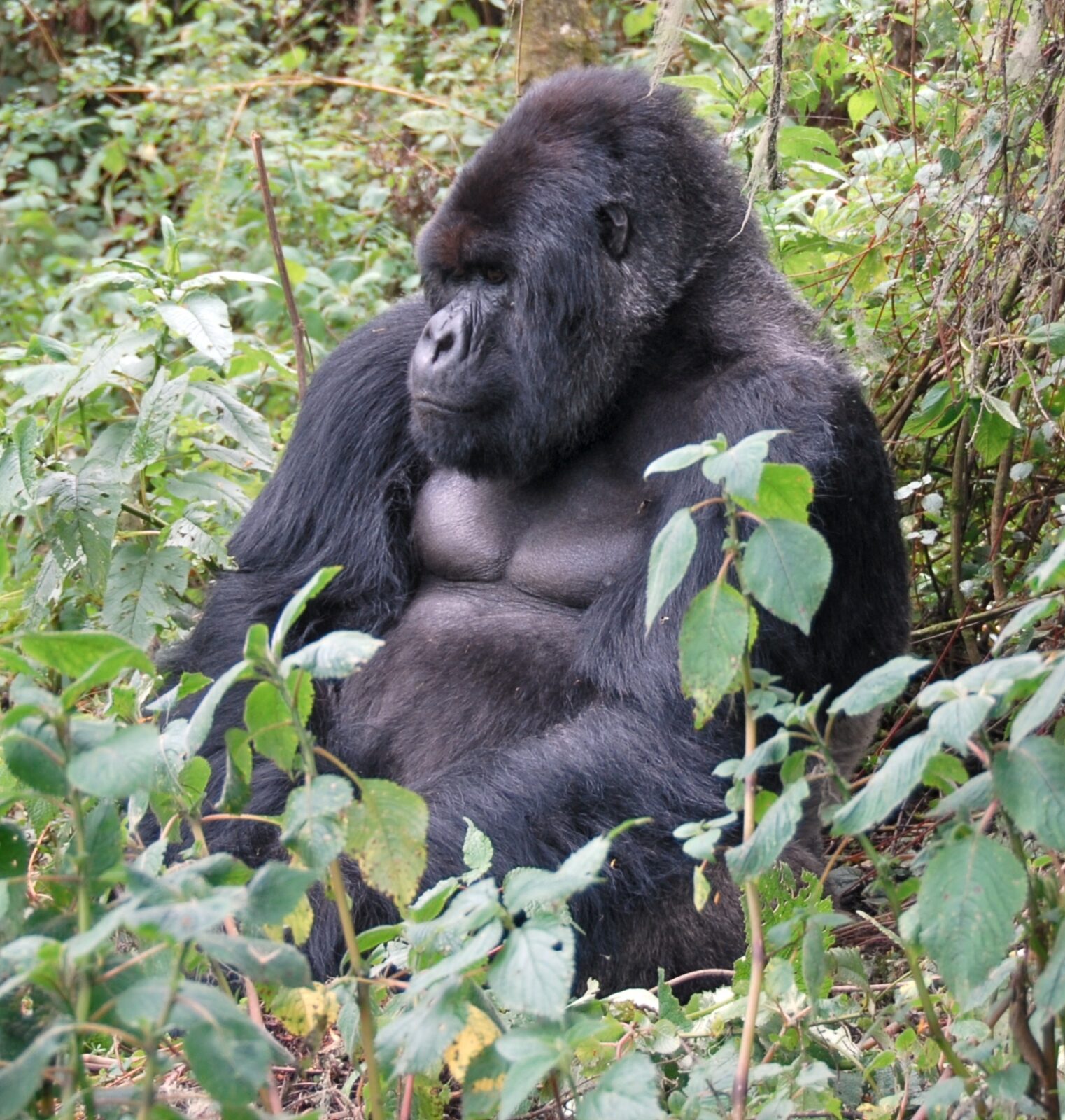
A gorilla permit today costs a genuinely significant sum, and it’s worth understanding how that price has moved over time rather than assuming it’s always been this expensive, or that it will necessarily keep rising at the same pace. How the price of a gorilla safari has changed over 20 years traces a story of growing conservation costs, rising demand, and the economics of protecting a genuinely rare species.
Numbers from decades past are worth treating with appropriate caution, since precise historical pricing isn’t always consistently documented or easy to verify independently, but the broad trajectory is clear and worth understanding.
The General Direction: Steadily Upward
It’s worth checking current, official pricing directly with park authorities or a reputable operator before finalising any budget, since even the most careful historical summary can’t substitute for confirmed, up-to-date figures at the time you actually book.
Gorilla permit prices in both Uganda and Rwanda have trended upward over the past two decades, reflecting rising conservation costs, growing global demand for a genuinely limited, non-expandable experience, and periodic strategic decisions by park authorities about pricing relative to perceived value and market positioning. This isn’t unique to gorilla trekking – it mirrors a broader pattern across high-demand, strictly limited wildlife tourism experiences worldwide.
Why Rwanda’s Price Jumped More Dramatically
Rwanda made a deliberate, well-publicised strategic decision at one point to significantly raise its gorilla permit price, positioning the experience explicitly as a premium, lower-volume offering rather than competing primarily on affordability. This decision aimed to fund enhanced conservation and community programmes while managing visitor numbers more tightly, trading some volume for higher per-visitor revenue and, the country argued, a less crowded, higher-quality experience.
Uganda’s More Gradual Trajectory
Uganda’s permit pricing has generally increased more incrementally over the same period, maintaining a meaningfully lower price point than Rwanda’s throughout, which has helped position Uganda as the more budget-accessible of the two established gorilla trekking countries. This pricing gap remains a significant factor in how trekkers choose between the two countries when budget is a deciding consideration.
What’s Actually Driving the Costs Upward
Understanding this breakdown reframes the price from a simple cost to be minimised into a direct investment in the specific conservation outcomes that make gorilla trekking possible at all, decades after the species nearly disappeared entirely.
Ranger salaries, anti-poaching patrol funding, veterinary monitoring for habituated families, community revenue-sharing programmes, and park infrastructure all represent real, growing costs behind the price you see. This isn’t simply profit-taking – a meaningful share of permit revenue funds the conservation model responsible for the species’ population recovery over the same period the price has been rising.
Inflation and Currency Considerations
Part of any price increase over two decades reflects general inflation rather than a genuine increase in real cost, and comparing headline dollar figures across different years without adjusting for this can overstate how much more expensive the experience has actually become in real terms. Still, even accounting for inflation, most analyses suggest permit costs have risen meaningfully faster than general inflation over this period, reflecting the deliberate strategic pricing decisions described above.
What This Means If You’re Planning a Trip Now
Given this consistent upward trajectory, waiting for prices to drop before booking isn’t a realistic strategy, and trekkers who’ve delayed a planned trip hoping for better pricing have generally found costs higher rather than lower by the time they eventually booked. If a gorilla trek is genuinely on your list, treating current pricing as the reasonable baseline to plan around, rather than something likely to become more affordable later, is the more realistic approach.
A Rare Silver Lining: Value Has Arguably Kept Pace
Trekkers who’ve watched this pricing trend over years, including repeat visitors comparing an earlier trip to a more recent one, generally report that the experience itself, and the surrounding infrastructure and conservation outcomes, have genuinely improved alongside the price rather than the increase being pure margin capture. A gorilla population that’s grown despite the pressures described elsewhere on this site is itself a form of return on that rising investment.
Frequently Asked Questions
Is permit pricing likely to keep rising in the coming years?
Based on the historical pattern, further gradual increases are a reasonable expectation, though the exact timing and scale of any future change isn’t something that can be predicted with confidence from past patterns alone.
Does the higher price in Rwanda actually translate into a better experience?
Many trekkers report smaller crowds and a more polished overall experience in Rwanda, consistent with the country’s stated strategy, though Uganda’s greater sector variety and lower cost remain compelling for many trekkers regardless.
Are there ways to access gorilla trekking at historical, lower prices?
Not really – current permits are priced at current rates regardless of what pricing looked like in the past, and no legitimate mechanism exists to access historical pricing on a current booking.
For current, accurate pricing information, this full cost breakdown is the place to start, alongside this Rwanda versus Uganda comparison if cost is a significant factor in your own planning decision.