
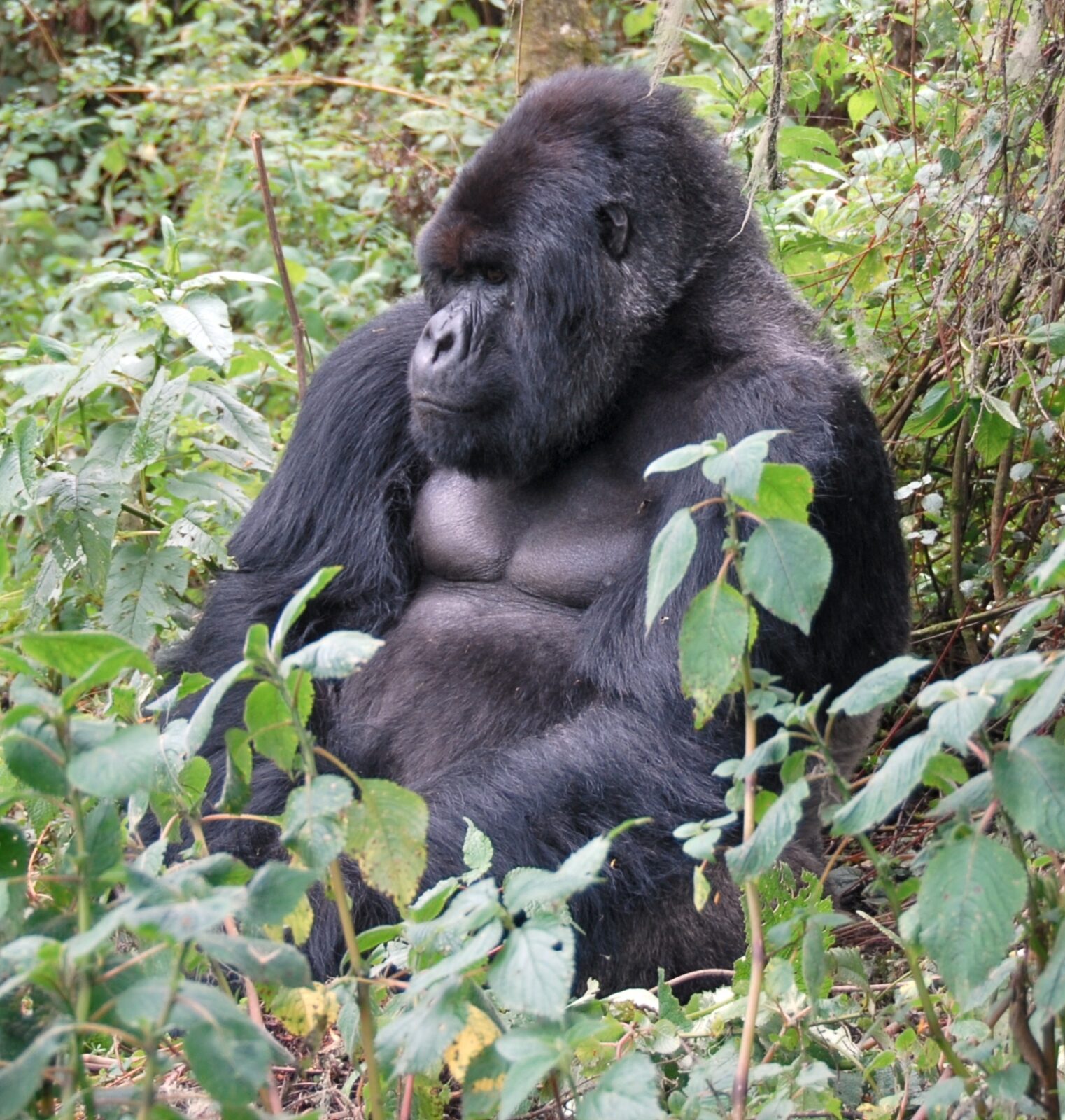
Behind every individual trekker’s hour with a gorilla family sits a much larger, carefully managed system of daily permit allocations across multiple parks and countries. How many tourists trek gorillas each year is worth understanding in real terms, since it clarifies both how exclusive this experience genuinely is and how the whole system stays sustainable for a species with such a small total population.
Exact figures fluctuate year to year based on permit allocation policy, park capacity, and broader travel demand, so treat any specific number as a reasonable current estimate rather than a permanently fixed figure.
How the Daily Limit Actually Works
This structural cap is worth understanding clearly, since it explains a great deal about why the whole booking system operates the way it does, from advance planning requirements to why permits genuinely do sell out rather than that being an exaggeration used to create artificial urgency.
Each habituated gorilla family can host only one trekking group per day, with strict group size limits, typically around eight visitors, designed specifically to minimise stress and disease risk to the gorillas. Multiply the number of habituated families available for tourism across Uganda, Rwanda, and the DRC by this daily group limit, and you arrive at the genuine daily ceiling on how many trekkers can possibly visit gorillas on any given day, regardless of demand.
Uganda’s Trekking Volume
Uganda, with its larger number of habituated families spread across Bwindi’s multiple sectors and Mgahinga, accommodates the largest volume of gorilla trekkers among the three countries, reflecting both its greater family count and generally lower permit price drawing higher demand relative to capacity.
Rwanda’s Trekking Volume
Rwanda’s Volcanoes National Park hosts a meaningful but comparatively smaller trekking volume, consistent with the country’s deliberate strategic positioning toward a lower-volume, higher-price tourism model rather than maximising visitor numbers.
Congo’s Much Smaller Volume
Virunga National Park in the DRC accommodates a considerably smaller number of trekkers annually than either Uganda or Rwanda, a reflection of both fewer habituated families available for tourism and the security and access considerations that limit broader visitor demand for this specific destination compared to its more established neighbours.
Why This Scarcity Is Deliberate, Not Accidental
It’s worth appreciating this as a genuine conservation choice rather than a limitation authorities would remove if they could – the scarcity itself is the point, not an unfortunate side effect of insufficient infrastructure or ambition.
The daily and annual limits aren’t a capacity constraint park authorities are trying to expand – they’re a deliberately maintained ceiling, directly tied to protecting a genuinely fragile, still-recovering population from the stress and disease risk that higher visitor volume would introduce. This is precisely why permits sell out well in advance during peak season, and why last-minute availability is often limited regardless of how much a prospective trekker is willing to pay.
How This Compares to Other Major Wildlife Tourism Experiences
Gorilla trekking’s total annual visitor numbers are genuinely small compared to major safari destinations like the Serengeti or Kruger National Park, which host vastly larger numbers of visitors across much larger protected areas with much larger wildlife populations able to sustain higher visitor volume without the same conservation risk. This comparison helps put gorilla trekking’s genuine exclusivity into perspective against wildlife tourism more broadly.
What This Scarcity Means for Your Own Planning
Given how tightly capped total capacity is across all three countries combined, booking well in advance isn’t simply a suggestion for securing your preferred dates – it reflects the genuine, structural scarcity of the experience itself. This is part of why gorilla trekking permits function differently from most travel bookings, where increased demand can usually be met with increased supply.
Frequently Asked Questions
Could park authorities simply add more habituated families to increase capacity?
Habituation is a slow, careful process that can’t be rushed for capacity reasons alone, and authorities balance any expansion against genuine conservation risk rather than pursuing growth purely to meet tourist demand.
Has annual visitor volume grown significantly over recent years?
Generally yes, tracking rising demand and, in some periods, expanded habituated family numbers, though growth remains deliberately constrained by conservation priorities rather than following pure market demand.
Does this scarcity make gorilla trekking a genuinely unique travel experience?
In terms of the tight, deliberate cap on total annual visitors relative to global demand, yes – few other wildlife tourism experiences combine this level of structural exclusivity with this level of sustained global interest.
For planning around this genuine scarcity, this beginner’s guide and this Rwanda versus Uganda comparison cover how to navigate booking within these real capacity constraints.