
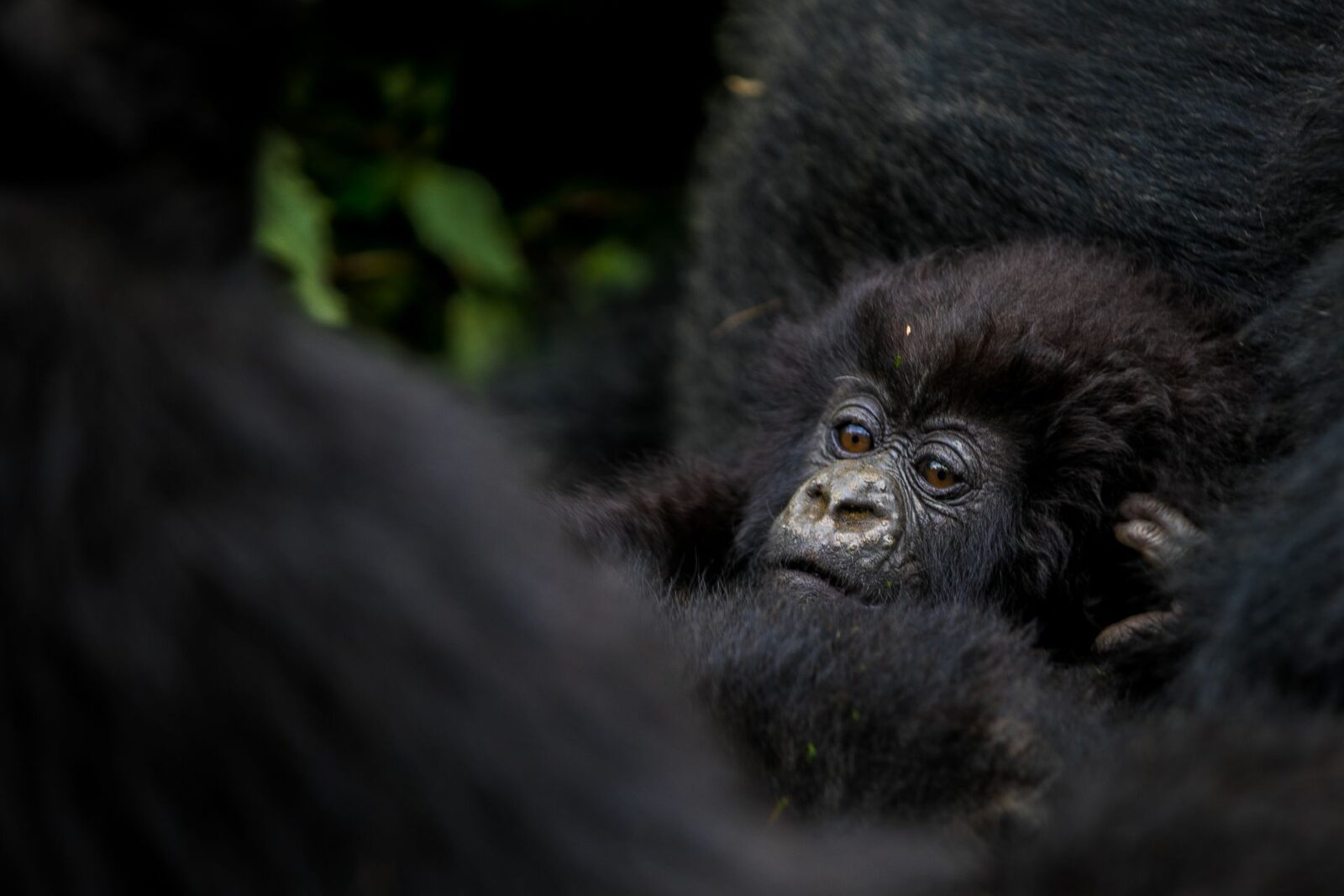
Gorilla Safari Permit Availability: When Do Dates Sell Out?
In the mist-laden highlands of Volcanoes National Park, where bamboo forests sway gently beneath the Virunga volcanoes and the air carries the quiet presence of mountain gorillas, access is deliberately limited. Gorilla trekking here is not mass tourism-it is a carefully managed privilege. And at the center of it all lies one critical question every traveler must answer early: when do gorilla permits actually sell out?
Understanding the rhythm of availability is not just helpful-it is essential. It shapes your entire safari, from flights and accommodation to the very day you step into the forest.
The Reality Behind Limited Permits
Gorilla trekking in Rwanda is governed by strict conservation policies designed to protect one of the world’s most endangered primates. Each habituated gorilla family can only be visited by a small group of people per day, and each visitor is allowed just one hour in their presence.
This system ensures minimal disruption to the gorillas’ natural behavior, reduces the risk of disease transmission, and maintains the integrity of the ecosystem. However, it also creates a significant limitation: only a very small number of permits are available daily.
Now consider the global demand. Rwanda has positioned itself as a premium, high-end gorilla trekking destination. Its accessibility, safety, and well-developed tourism infrastructure attract visitors from across the world-wildlife enthusiasts, photographers, conservationists, and luxury travelers alike.
The result is simple: demand far exceeds supply.
Peak Season: The Race for Permits
The most competitive period for gorilla permits falls within Rwanda’s two dry seasons: from June to September and from December to February. These months are widely regarded as the best time for trekking, not because gorillas are easier to find-they are present year-round-but because the conditions underfoot are far more manageable.
Trails are drier, slopes are less slippery, and visibility in the forest is clearer. For many travelers, especially those investing significantly in a once-in-a-lifetime experience, these factors matter.
As a result, permits for peak season dates are often the first to disappear.
For highly sought-after months like July, August, and September, it is common for permits to sell out six to twelve months in advance. In some cases-particularly for dates that coincide with international holidays-availability can vanish even earlier.
December and early January present a similar pattern. The festive season draws travelers seeking a unique way to celebrate the holidays, and gorilla trekking becomes a centerpiece of many East African itineraries. These dates are among the fastest to sell out, often requiring booking nearly a year ahead.
It is not unusual for tour operators to secure blocks of permits well in advance, further tightening availability for independent travelers.
Shoulder Seasons: A Window of Opportunity
Between the peak and low seasons lie transitional months-March and October-that offer a more balanced experience. These shoulder seasons can be an excellent compromise for travelers who want relatively good conditions without the intense competition.
During these periods, permit demand is moderate. While it is still advisable to book several months in advance, the urgency is less extreme compared to peak season. Availability may remain open longer, and there is often more flexibility in choosing preferred dates.
Weather during shoulder months can be unpredictable, with occasional rainfall, but it rarely disrupts trekking entirely. In fact, the forest often appears more vibrant, with lush vegetation and fewer crowds enhancing the sense of wilderness.
Low Season: Flexibility and Opportunity
The long rainy season from March to May and the shorter rains in November mark the least competitive time for gorilla permits. During these months, availability is at its highest, and travelers can sometimes secure permits with just a few months-or even weeks-of advance planning.
This does not mean the experience is diminished. Gorilla trekking remains just as rewarding, and sightings are still virtually guaranteed. However, the conditions can be more demanding.
Trails may be muddy and slippery, vegetation thicker, and rain more frequent. For some travelers, this adds an element of adventure; for others, it may be a deterrent.
From an availability standpoint, though, low season offers clear advantages. It is the best time for spontaneous travel plans, discounted packages, and greater choice in accommodation.
How Far in Advance Should You Book?
The timeline for booking a gorilla permit depends largely on when you plan to travel. For peak season, a lead time of six to twelve months is strongly recommended. This ensures not only that you secure a permit, but also that you have flexibility in selecting your preferred date.
For shoulder seasons, booking three to six months in advance is typically sufficient, although earlier is always better if your schedule is fixed.
In the low season, permits may be available with shorter notice, but waiting until the last minute always carries some risk. Even during quieter months, certain dates-particularly weekends or public holidays-can fill up quickly.
The safest strategy is to treat the permit as the anchor of your itinerary. Secure it first, then build the rest of your travel plans around it.
The Role of Tour Operators
One of the most important factors influencing permit availability is the role of licensed safari operators. Many operators in Rwanda pre-purchase permits or maintain close relationships with the Rwanda Development Board, allowing them to access real-time availability.
This can work to your advantage. Even when official listings appear fully booked, operators may still have access to reserved permits or be able to secure cancellations.
Operators also provide valuable flexibility. If your preferred date is unavailable, they can suggest alternatives, adjust itineraries, or combine your trek with other regional experiences in nearby countries.
For travelers unfamiliar with the booking process, working with an operator significantly reduces the complexity and uncertainty.
Last-Minute Availability: Myth or Reality?
The idea of securing a last-minute gorilla permit is both appealing and risky. While it is not impossible, it is far from reliable-especially in peak season.
Cancellations do occur, often due to changes in travel plans or unforeseen circumstances. When they do, permits may become available on short notice. However, these opportunities are unpredictable and usually snapped up quickly.
In low season, last-minute bookings are more feasible, but even then, availability is never guaranteed. Travelers who rely solely on last-minute chances risk missing out entirely.
For a journey as significant as gorilla trekking, it is rarely worth leaving things to chance.
Key Dates That Sell Out First
Not all days are equal when it comes to permit demand. Certain dates consistently sell out faster than others, regardless of the season.
Weekends are typically more popular, especially among regional travelers. Public holidays, both local and international, also see increased demand.
Festive periods-such as Christmas, New Year, and Easter-are among the most competitive. These dates often require booking nearly a year in advance to secure a permit.
Additionally, travelers combining gorilla trekking with other iconic experiences-such as the Great Migration in East Africa-tend to cluster around specific months, further intensifying demand.
Practical Strategies to Secure Your Permit
Success in securing a gorilla permit comes down to planning, flexibility, and timing. Booking early remains the most effective strategy, particularly for peak season travel.
Flexibility with your trekking date can also make a significant difference. If your first choice is unavailable, adjusting by even a day or two can open up new possibilities.
Working with a reputable safari operator increases your chances of success, especially in competitive periods. Their expertise and access to availability systems can uncover options that may not be visible to individual travelers.
Above all, prioritize the permit in your planning process. Flights, accommodation, and other logistics should revolve around your confirmed trekking date-not the other way around.
Gorilla permit availability in Rwanda is a reflection of something deeper than demand-it is a testament to conservation in action. The limited number of permits ensures that future generations will continue to encounter mountain gorillas in their natural habitat, just as travelers do today.
Yes, dates sell out. Sometimes months in advance, sometimes with surprising speed. But this scarcity is what preserves the magic of the experience.
When you finally step into the forest of Volcanoes National Park, guided through the dense greenery and up the volcanic slopes, the effort it took to secure your permit fades into the background. What remains is a quiet, powerful moment-standing face to face with one of the world’s most extraordinary creatures, in a place where time seems to stand still.