
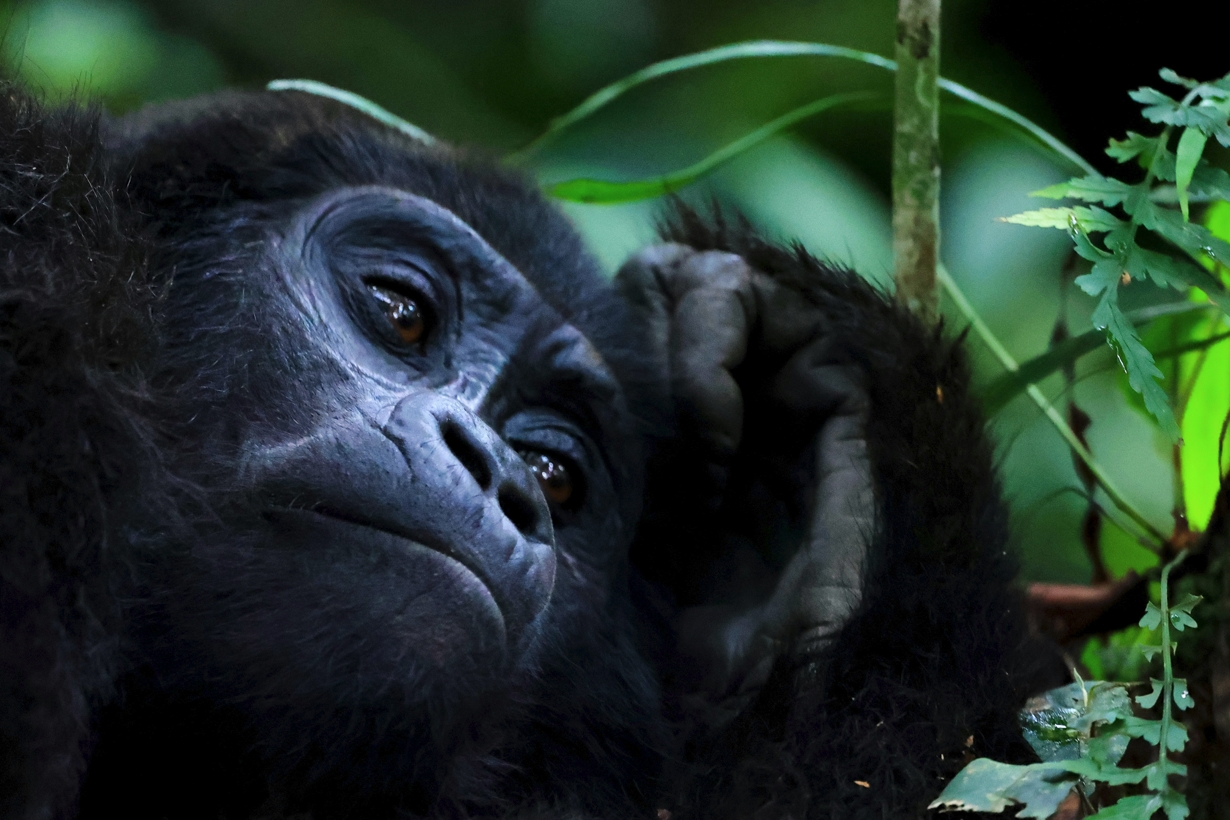
Gorilla Safari Permit vs Habituation Permit: Full Comparison
In the misty volcanic landscapes of Volcanoes National Park, two extraordinary gorilla experiences exist for travelers seeking a deeper connection with mountain gorillas. While both options take you into the same ancient forests of Rwanda, they offer very different levels of time, intimacy, and involvement.
Understanding the difference between a standard gorilla safari permit and a habituation-style experience is essential when choosing the kind of encounter you want.
What Is a Standard Gorilla Safari Permit?
A standard gorilla trekking permit is the most common and widely available option. It allows visitors to spend one hour with a fully habituated gorilla family after locating them in the forest.
These families are already accustomed to human presence, meaning they behave naturally without being disturbed by observers. The experience is carefully managed by the Rwanda Development Board and guided by trained rangers.
The trek itself can last anywhere from one to several hours depending on the location of the gorilla family. However, once you find them, your time is strictly limited to one hour.
This option is ideal for most travelers-those seeking a once-in-a-lifetime wildlife encounter without an overly demanding or lengthy commitment in the forest.
What Is a Gorilla Habituation Experience?
The gorilla habituation-style experience is a more immersive and extended form of trekking. Instead of visiting fully habituated gorillas, you spend time with gorilla groups that are still in the process of becoming accustomed to human presence.
This experience allows for up to four hours with the gorillas, offering a much deeper observational opportunity. You may witness more natural behaviors, subtle social interactions, and the gradual adjustment of gorillas to human observers.
Because of its intensity and exclusivity, this experience is far more limited and often more physically demanding.
While Rwanda is best known for standard trekking, habituation experiences are more commonly associated with research-focused programs and are closely regulated by wildlife authorities.
Key Differences at a Glance
A standard permit offers a shorter, more structured visit. You trek, you find the gorillas, and you spend one hour observing them. It is efficient, powerful, and accessible to most travelers.
A habituation-style experience is longer, deeper, and more observational. You spend extended time with gorillas that are still adjusting to human presence, often alongside researchers and trackers.
In essence, one prioritizes accessibility and consistency, while the other emphasizes depth and immersion.
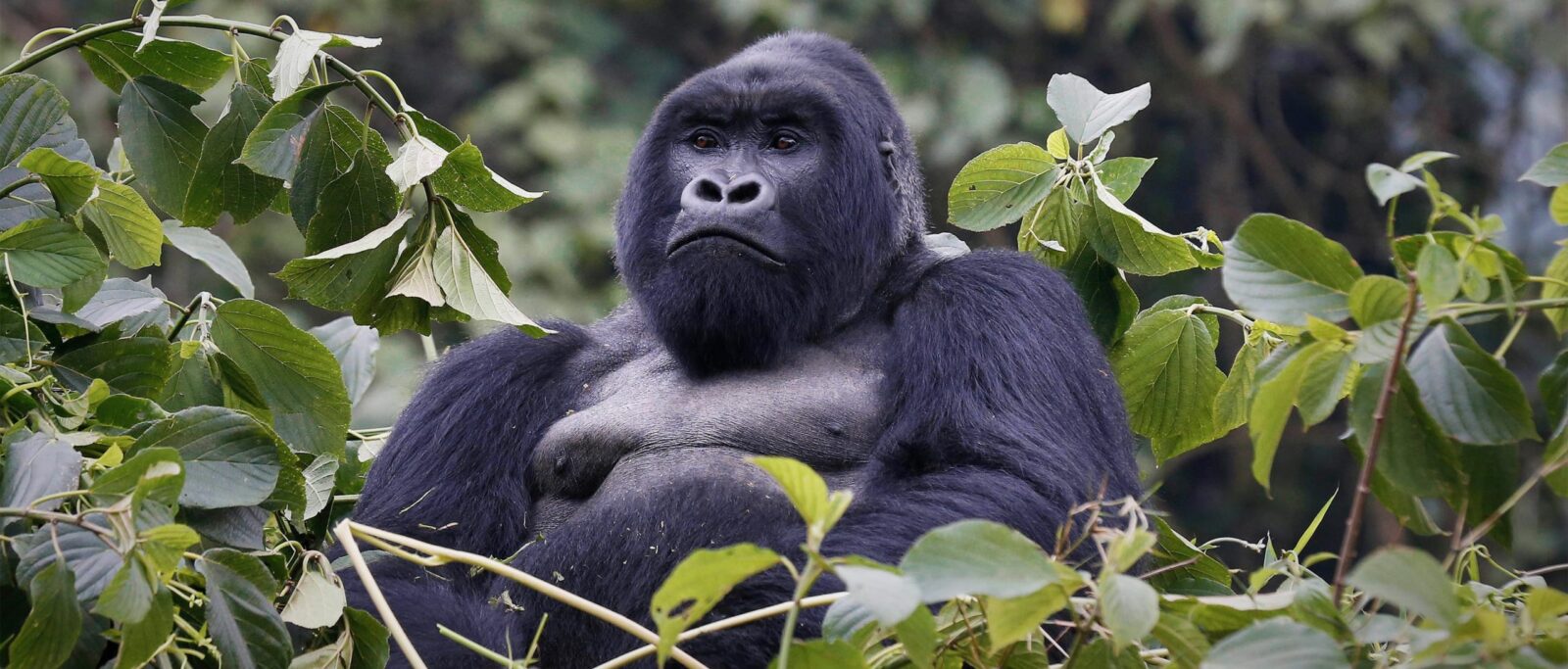
Time Spent with Gorillas
Time is the most significant difference between the two experiences.
With a standard gorilla trekking permit in Rwanda, you are granted exactly one hour once you locate the gorilla family. This time is strictly enforced to minimize stress on the animals and allow multiple groups to rotate through visits responsibly.
In contrast, a habituation experience allows up to four hours with the gorillas. This extended time offers a slower, more observational approach where you can witness behavior shifts over time rather than a brief snapshot.
Physical Demand and Trekking Style
Both experiences take place in the rugged terrain of Volcanoes National Park, but the habituation-style experience is generally more physically demanding.
Because you are often tracking less familiar gorilla groups, trekking distances can be longer and more unpredictable. You may spend more time in dense forest, steeper slopes, and remote areas.
Standard trekking, while still physically challenging, is typically more structured since rangers are tracking well-known gorilla families with established locations.
Group Size and Experience Intimacy
Standard gorilla trekking allows up to eight visitors per gorilla family per day, ensuring controlled and low-impact tourism.
Habituation-style experiences usually involve smaller groups, often combined with researchers and trackers. This creates a more intimate and educational atmosphere, where you may gain insights into gorilla behavior, conservation methods, and ongoing research efforts.
Cost Differences
A standard gorilla trekking permit is more accessible in terms of cost, making it suitable for most safari itineraries in Rwanda.
The habituation-style experience is significantly more expensive due to its extended duration, exclusivity, and research involvement. It is positioned as a premium, specialist experience for serious wildlife enthusiasts, photographers, and conservation-focused travelers.
Who Should Choose Standard Gorilla Trekking?
The standard permit is ideal for:
- First-time safari travelers
- Families and small groups
- Travelers with limited time
- Visitors seeking a balanced wildlife experience
It offers a powerful, emotional encounter without requiring extreme physical endurance or long hours in the forest.
Who Should Choose Habituation-Style Experiences?
The extended experience is best suited for:
- Wildlife photographers seeking more time for shots
- Researchers and conservation enthusiasts
- Experienced trekkers comfortable with long hikes
- Travelers who want deeper behavioral insights
It is less about a single moment and more about observing gorillas over time.
Conservation Importance of Both Permits
Both experiences play a crucial role in conservation efforts led by the Rwanda Development Board. Revenue from permits directly supports gorilla protection, anti-poaching patrols, habitat preservation, and community development around Volcanoes National Park.
By regulating visitor numbers and experiences, Rwanda ensures that tourism contributes positively to both wildlife survival and local livelihoods.
Choosing between a standard gorilla safari permit and a habituation-style experience in Rwanda ultimately depends on your travel style, expectations, and level of interest in primate behavior.
One offers a brief, powerful encounter that stays with you for a lifetime. The other offers an extended window into the daily life of one of humanity’s closest relatives.
Either way, in the quiet depths of Volcanoes National Park, the moment you come face to face with a mountain gorilla remains one of the most profound wildlife experiences on Earth.