
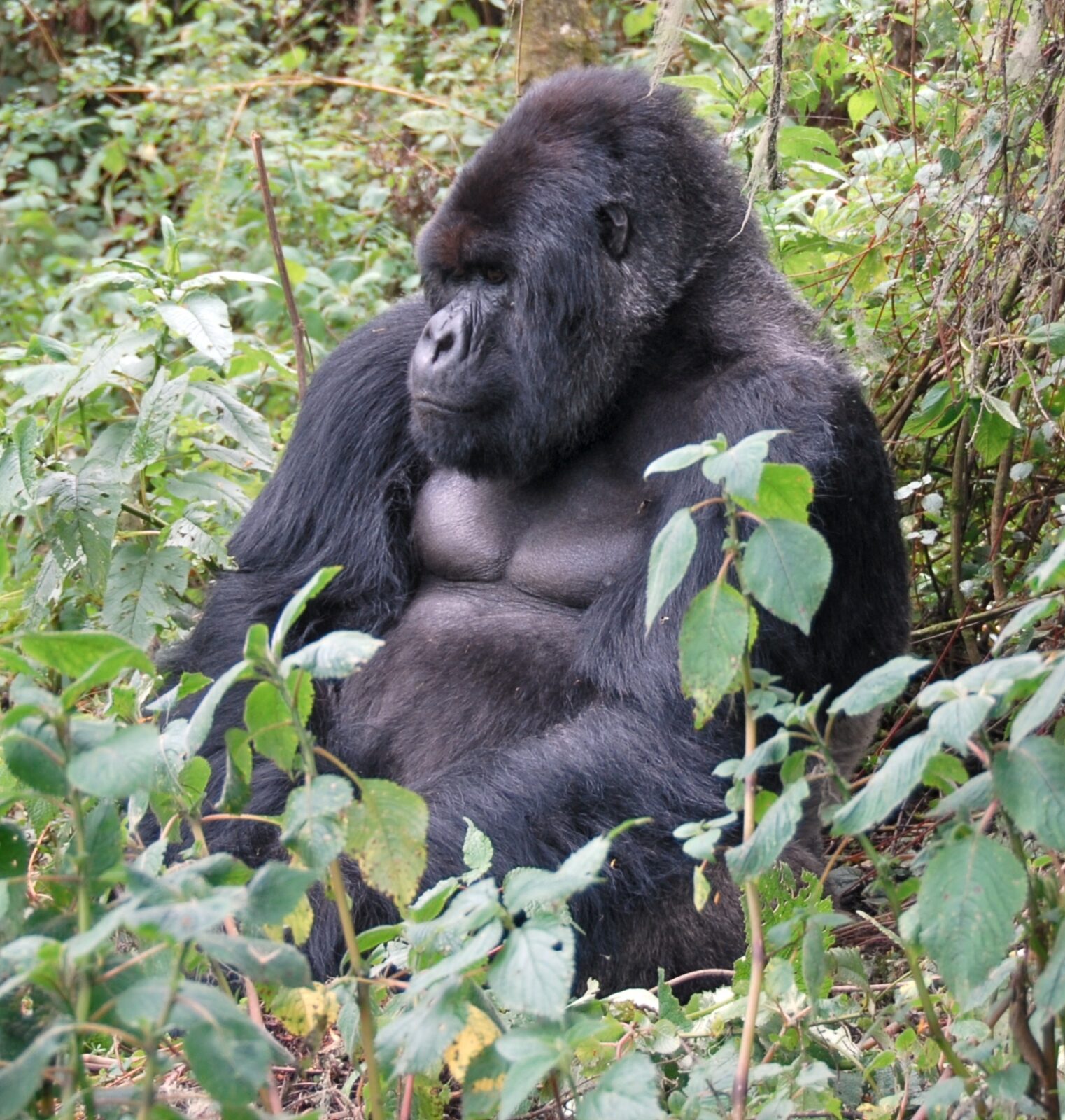
Strap on a headset and you can, technically, watch a 360-degree video of a gorilla family from your living room. Gorilla safari virtual reality: can VR replace the real trek is a question that comes up as the technology improves, and the honest answer is a clear no, for reasons that go well beyond simple visual fidelity.
It’s a fair question to ask, and one worth taking seriously rather than dismissing reflexively, given how genuinely impressive modern VR technology has become across many other applications.
What VR Gorilla Content Actually Offers
The technical quality of this footage has improved considerably in recent years, with higher resolution capture and more sophisticated spatial audio giving viewers a genuinely more immersive sense of scale and presence than earlier, flatter 360-degree video attempts managed. This progress is worth acknowledging honestly rather than dismissing the technology out of hand.
Several conservation organisations and documentary projects have produced genuinely impressive VR footage of mountain gorillas, filmed with specialist 360-degree cameras that let viewers look around a scene as if physically present. For people who can’t travel to Uganda or Rwanda for financial, physical, or logistical reasons, this technology offers a meaningful window into an experience otherwise entirely out of reach, and that value shouldn’t be dismissed.
What VR Genuinely Cannot Replicate
Beyond the sensory gaps, there’s a psychological dimension worth naming too – a real trek involves genuine physical risk and effort, hours of your own exhaustion and doubt worked through on the way to the encounter, none of which a seated viewing experience asks of you. That earned quality, the sense of having genuinely worked for the moment, is a large part of why real trekkers describe the encounter as transformative in a way passive viewing rarely produces.
Smell is one of the most immediately obvious gaps – the distinctive, musky scent that trekkers consistently describe as one of the most memorable sensory details of a real encounter simply doesn’t exist in a video format, however sophisticated. Physical presence, the genuine uncertainty of not knowing exactly what will happen next, and the accumulated exhaustion and anticipation built up over hours of difficult trekking beforehand all shape the emotional weight of a real encounter in ways a seated, controlled VR experience can’t reproduce.
The Uncertainty Factor
This distinction matters more than it might initially seem, since a significant part of what makes memory formation so vivid during a real trek is precisely the brain’s response to genuine, live uncertainty resolving in real time, a neurological process that pre-recorded content simply cannot trigger regardless of visual quality.
Part of what makes a real gorilla trek so memorable is precisely that it isn’t scripted or repeatable on demand – you don’t know which family you’ll find, how they’ll behave, or what specific moment will end up sticking with you afterward. VR content, however well produced, is captured footage of a specific, already-completed encounter, watched with the underlying knowledge that whatever happens has already happened and carries no genuine uncertainty for the viewer.
Where VR Genuinely Adds Value
Museums and conservation organisations have particularly embraced this application, since VR lets a much larger, more geographically dispersed audience engage meaningfully with mountain gorilla conservation than could ever physically visit Bwindi or the Virungas, expanding the reach of conservation education considerably beyond what in-person trekking alone achieves.
As a planning and education tool, VR content has real, practical use – helping prospective trekkers understand terrain and scale before committing to a physically demanding trip, or serving as a powerful conservation education tool for schools and museums reaching audiences who will likely never trek in person. Some tour operators have started using VR previews as a marketing and preparation tool, giving prospective clients a taste of what to expect before they book.
What This Means for Trip Planning
Framing the choice this honestly, rather than as a simple upgrade path from virtual to real, helps set the right expectations for anyone genuinely weighing both options against their own specific circumstances and constraints.
If genuine physical or financial constraints make an actual trek impossible, VR content is a legitimate, worthwhile way to engage with mountain gorilla conservation and experience something of their world, and it shouldn’t be dismissed as a lesser option for people in that situation. But for anyone weighing VR against an achievable real trek purely as a matter of preference or convenience, the difference in what each actually delivers is significant enough that they aren’t meaningfully interchangeable choices.
The Conservation Argument for the Real Thing
This isn’t meant as guilt-tripping toward anyone genuinely unable to travel – it’s simply worth being clear-eyed about, for anyone who could realistically make the trip but is weighing it against a virtual alternative purely on convenience grounds.
It’s worth remembering that actual trekking tourism directly funds the conservation model protecting mountain gorillas – permit fees pay for ranger salaries, anti-poaching patrols, and community revenue-sharing programmes that VR viewing doesn’t contribute to in any comparable way. Choosing the real trek over a virtual substitute, when genuinely possible, has conservation consequences a purely virtual experience doesn’t carry.
What Trekkers Who’ve Watched Both Say
Anecdotally, trekkers who watched VR gorilla content before their own real trek consistently describe the two as complementary rather than substitutable – the VR gave them a useful sense of visual scale and terrain beforehand, but the real experience still felt entirely distinct once they were actually standing in the forest, exhausted from the hike, watching a family that had no idea a camera or headset had ever been involved in their story at all.
This pattern is worth noting for anyone genuinely uncertain about whether VR “counts” as having done the experience in some meaningful sense. By nearly every account from people who’ve done both, it doesn’t, and treating it as a taste rather than a substitute is the more accurate way to think about what VR actually offers.
Frequently Asked Questions
Is VR gorilla content worth watching before booking a real trek?
Yes, particularly for understanding terrain and physical demands, though it’s worth treating it as preparation and education rather than an accurate preview of the emotional experience itself, which differs considerably from watching footage.
Do any gorilla conservation organisations offer VR content directly?
Several conservation and documentary projects have produced gorilla-focused VR and 360-degree video content over the years, often available through their own websites or major VR content platforms, worth searching for specifically if you’re interested.
Could future VR technology eventually close this gap?
Technology will likely keep improving, including advances in scent simulation and more immersive physical feedback, but the fundamental difference between a controlled, repeatable virtual experience and genuine, uncertain, physically demanding presence in a wild forest seems unlikely to disappear entirely, however sophisticated the hardware becomes.
Is watching VR footage in any way harmful or disrespectful to the gorillas?
No, provided the footage was captured responsibly by an organisation following standard wildlife filming protocols and distance guidelines. Watching afterward carries no direct impact on the animals themselves, unlike a poorly conducted in-person encounter might.
If you’re weighing VR content against planning a real trip, this beginner’s guide covers what an actual trek genuinely involves, and this cost breakdown helps clarify whether a real trip is realistically achievable for your situation.