
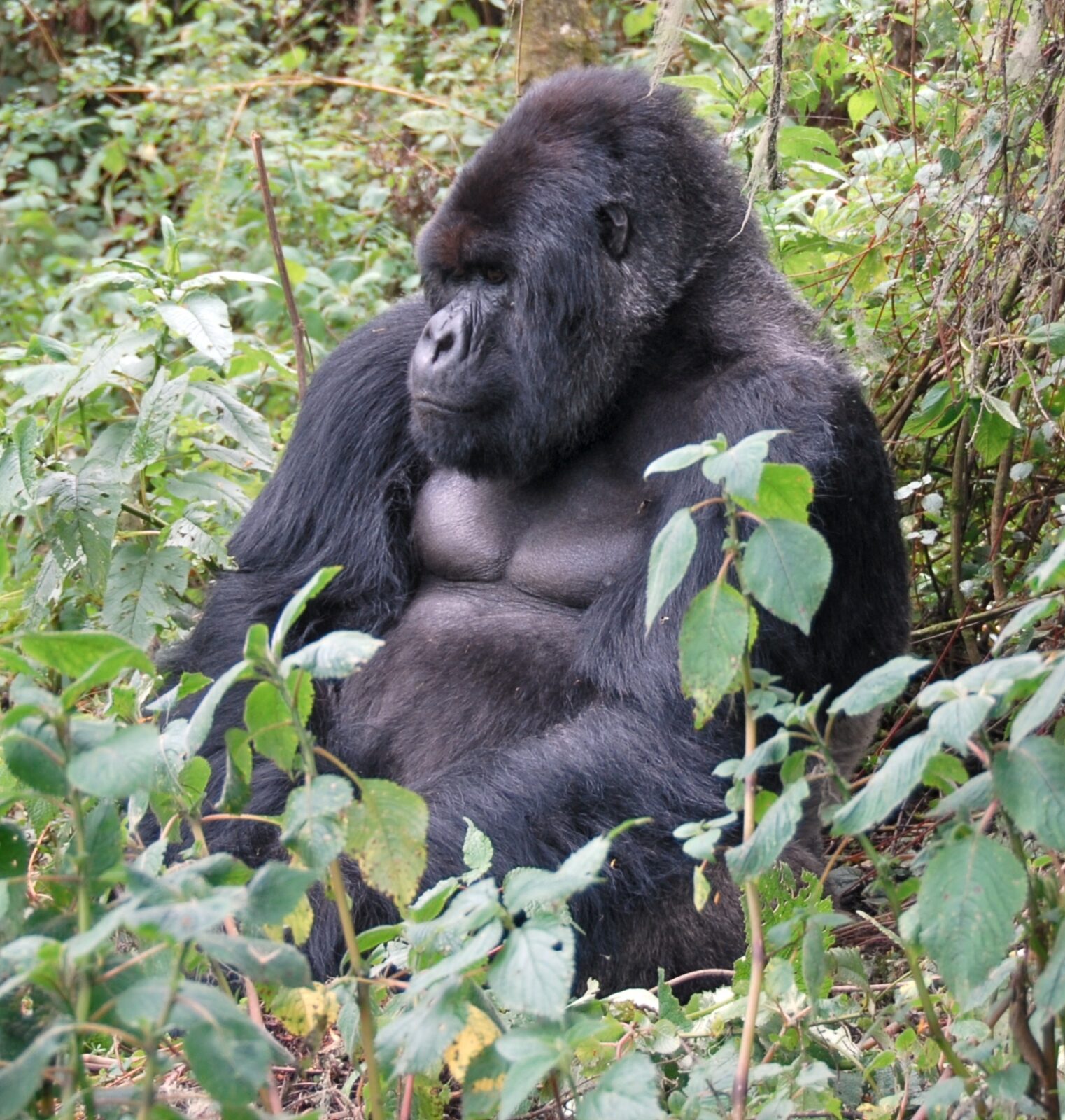
Absolutely every trekking season, without exception, adds new stories to the informal record book of gorilla trekking extremes – the oldest trekker to complete a demanding sector, the youngest permitted visitor, the most treks completed by a single dedicated returner. Gorilla safari world records aren’t formally tracked the way athletic records are, but park authorities, operators, and lodges do keep track of notable milestones, and they say something genuine about how wide the range of people who can actually do this really is.
These stories matter for a practical reason beyond simple curiosity: they consistently push back against overly narrow assumptions about who gorilla trekking is genuinely suited for, assumptions that sometimes discourage people who would otherwise have a completely realistic shot at a successful, memorable trek of their own.
The Oldest Trekkers: Proving Age Isn’t the Barrier People Assume
What’s striking about these stories, when you actually hear them told in detail, isn’t just the age itself but how deliberately these trekkers prepared. The pattern that emerges consistently is realistic self-assessment paired with genuine advance planning, rather than either reckless overconfidence or excessive caution that would have kept them from attempting the trek at all, and that balance is worth studying by anyone weighing up their own trip against their own honest fitness level.
Trekkers well into their seventies and even eighties have successfully completed gorilla treks, typically with careful preparation, a gentler sector choice, and porter support arranged in advance. These stories circulate among operators and lodges specifically because they’re genuinely useful in reassuring hesitant older travellers that age alone doesn’t rule out the experience, provided expectations and preparation are realistic rather than dismissive of genuine physical limits.
The Youngest Permitted Visitors Specifically
This age threshold, while occasionally frustrating for families hoping to include younger children, exists for genuinely sound reasons rather than arbitrary caution – younger children’s immune systems and their ability to reliably follow strict behavioural instructions during a tense encounter both factor into where parks have drawn this particular line, a decision made and reviewed by wildlife authorities across all three countries.
Most parks set a minimum age of 15 for gorilla trekking, primarily for disease-transmission reasons rather than pure fitness concerns, which means the “youngest trekker” record within any given park tends to cluster right around that minimum age threshold rather than involving genuinely young children. Families sometimes plan a milestone trip specifically timed around a teenager reaching the minimum eligible age, turning the trip into a coming-of-age experience as much as a wildlife encounter.
Most Treks Completed by a Single Visitor
These trekkers often describe an evolving relationship with the experience over the years – early treks focused on the sheer novelty and adrenaline, later ones increasingly about noticing subtle details, recognising familiar individual gorillas across visits, and appreciating changes within a family group’s composition and dynamics over time in a way a single trek could never reveal.
A smaller community of dedicated repeat trekkers, some numbering their completed treks well into the double digits across multiple countries and sectors over years or decades, represents a different kind of record entirely – not a single extreme achievement but sustained, ongoing devotion to returning again and again. Lodges and operators in the region sometimes know these repeat visitors personally, given how unusual and memorable that level of commitment is within the trekking community.
Fastest Sighting Times
It’s worth managing expectations here specifically – a fast sighting is a pleasant surprise rather than something to plan around, and trekkers who go in expecting or demanding a quick encounter based on a story they heard from a friend are setting themselves up for disappointment against a genuinely unpredictable, if reliably high-success-rate, natural process that no operator can promise to replicate on demand.
Occasionally a trekking group encounters their assigned family remarkably quickly, sometimes within the first twenty or thirty minutes of setting off, when trackers locate the family close to the trailhead itself. This is largely a matter of where the family happened to nest and feed that particular day rather than anything predictable or bookable in advance, but it’s the kind of story that gets shared enthusiastically among trekkers comparing notes afterward.
Notable Group and Family Milestones
Long-term researchers who’ve tracked specific gorilla families across decades hold a genuinely unique perspective on this kind of record – watching an infant they first documented grow into a dominant silverback leading his own family group represents a different scale of milestone entirely, measured in decades of patient, continuous observation rather than a single visitor’s memorable day spent briefly within that same unfolding, generational story.
Beyond individual trekker records, the gorilla families themselves have their own milestones worth noting – the largest recorded family group size in a given park, a particularly long-lived and dominant silverback’s tenure leading his family, or a family’s specific population growth over years of monitoring. These records, tracked by researchers and park authorities rather than casual observation, feed into the broader conservation success story of the species’ gradual recovery.
Notable Weather and Terrain Extremes
It’s worth noting that none of these weather-extreme stories are told as cautionary tales discouraging trekkers from booking during rainier months – if anything, they’re usually told with a certain fondness, since the forest arguably looks its most dramatic and atmospheric precisely when conditions are at their most demanding and least forgiving.
Some of the more memorable trekker stories involve conditions rather than personal milestones – a trek completed during an unusually intense downpour that turned the trail into something closer to a stream than a path, or a sighting made at an unusually high altitude after a family had moved further up-slope than typical for that particular season. These stories circulate among guides and returning trekkers as much for their sheer memorability as for any formal record-keeping purpose, becoming part of the informal folklore that surrounds a place as storied as Bwindi or the Virungas.
Why These Records Matter Beyond Trivia
Records like these do real, practical work beyond simple curiosity – the oldest-trekker stories genuinely reassure hesitant older travellers, the youngest-trekker pattern clarifies age rules that first-time planners often ask about, and repeat-trekker stories illustrate just how much depth and variation exists across an experience that might otherwise sound, from the outside, like a single standardised activity rather than something people return to repeatedly and experience differently each time, discovering something new with every visit.
How Guides and Lodges Keep Track of These Stories, in Practice
Without a formal record-keeping system, memory becomes the primary archive – experienced guides who’ve worked a sector for years often carry an informal mental catalogue of the most notable treks they’ve personally led, while lodges sometimes maintain guest books or informal photo walls where memorable visits get documented in passing. Ask a longtime guide directly about the most unusual trek they’ve ever led, and you’ll often get a genuinely fascinating story that’s never been written down anywhere else.
What Trekkers Considering Their Own Personal Milestone Can Learn From These Stories
The common thread across nearly every notable record, whatever category it falls into, is preparation matched to circumstance rather than either recklessness or excessive caution. The oldest successful trekkers didn’t simply hope for the best; they planned deliberately around their own specific limitations. The most dedicated repeat visitors didn’t burn out chasing an arbitrary number; they returned because each trip genuinely offered something the last one hadn’t. There’s a useful, transferable lesson in that pattern for anyone planning their own trek, milestone or otherwise, regardless of where they happen to fall on any of these informal scales of achievement.
Frequently Asked Questions
Is there any official body at all that tracks gorilla trekking records?
No single official record-keeping body exists in the way sporting records are tracked. Notable stories tend to circulate informally among park authorities, operators, and lodges rather than being centrally documented in a formal register anywhere in the region or beyond it.
What’s the genuinely realistic upper age limit for attempting a trek in practice?
There’s no formal upper limit, and successful treks by trekkers in their seventies and eighties are documented, though careful preparation, sector choice, and porter support become increasingly important considerations at advanced ages, and a doctor’s honest input beforehand is always worth seeking out first.
Could a family travelling together with a younger child do a modified version of the experience?
Younger children who don’t meet the minimum trekking age can typically join other age-appropriate activities near the park while an adult in the group treks, rather than being permitted to trek themselves under the standard age rules that apply across every park in the region and every operator working within it.
For planning your own trek regardless of age, this guide to gorilla safaris for over 60s and this beginner’s guide cover the practical preparation that makes these milestone stories possible in the first place, whether or not you ever end up adding your own name to the informal list of memorable treks.