
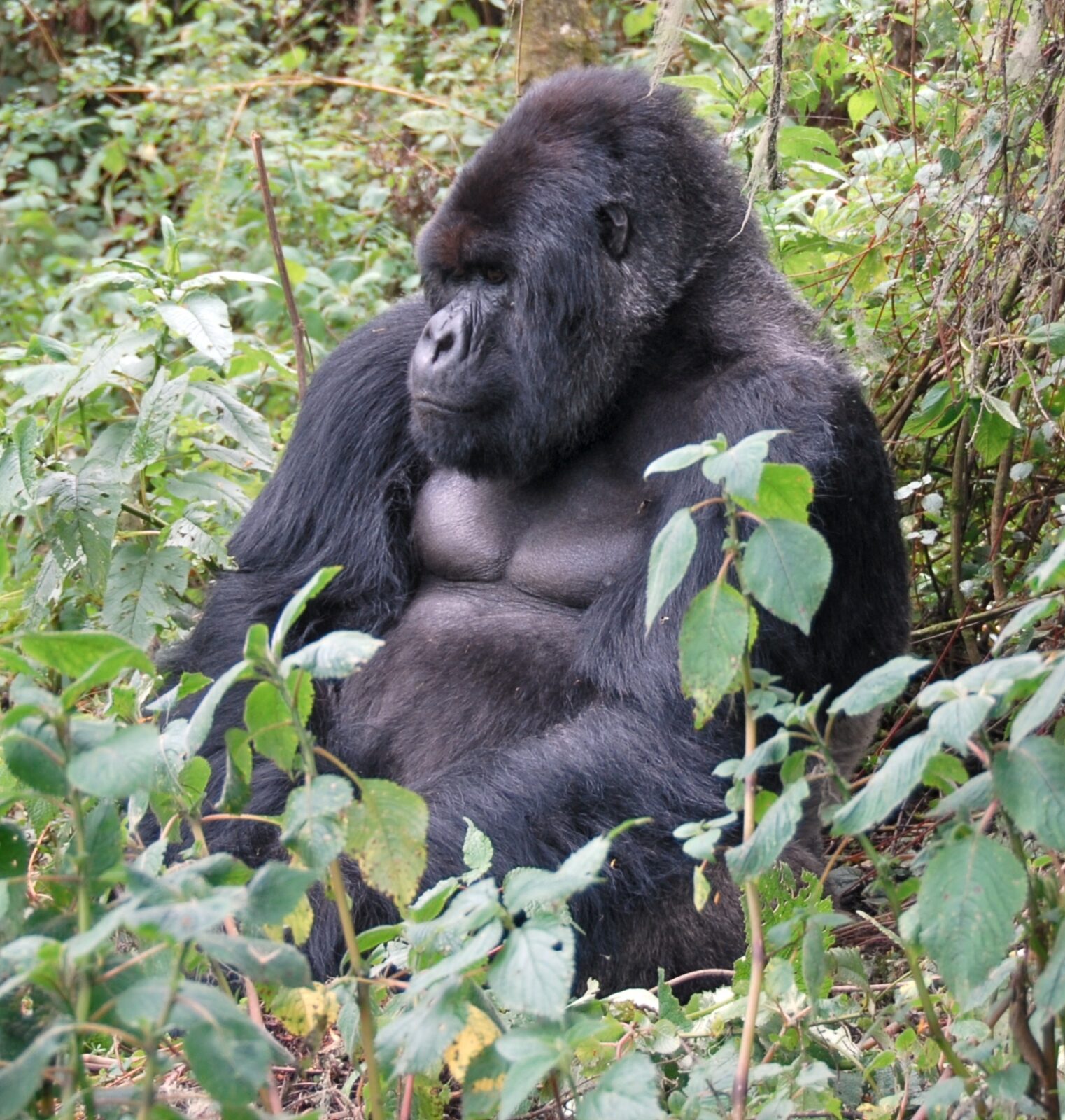
Gorilla trekking has quietly become one of those experiences that draws high-profile visitors precisely because it can’t be replicated anywhere else, or bought at any price without the physical effort of actually making the trek. Gorilla safari celebrity visits have become a recurring, if usually low-key, feature of Uganda and Rwanda’s tourism story, with public figures from entertainment, politics, and business making the same journey ordinary trekkers do.
These visits rarely resemble the paparazzi-driven spectacle associated with celebrity travel elsewhere in the world. Bwindi and Volcanoes National Park’s remoteness, and the sheer physical demands of the trek itself, naturally filter out the kind of chaotic public attention that follows high-profile figures in more accessible destinations.
Why High-Profile Visitors Are Drawn Specifically to This Experience
There’s also something about the sheer physical and logistical commitment gorilla trekking demands that appeals to travellers who’ve otherwise experienced most of what money alone can buy. A well-known figure can charter any aircraft, book any hotel suite, and secure almost any reservation with a phone call, but none of that shortens the hike, softens the mud, or guarantees a calmer encounter once you’re actually standing in front of a wild silverback.
Part of the appeal is precisely what makes gorilla trekking different from most luxury travel experiences available to wealthy or famous travellers: no amount of money buys a closer encounter, a shortcut around the physical demands, or a guarantee beyond what any other permit holder gets. The playing field, in that specific sense, is genuinely level, which some high-profile visitors have spoken about as part of what made the experience feel meaningful rather than simply another exclusive travel product.
Conservation Advocacy and Celebrity Attention
This tradition of public advocacy tied to gorilla conservation predates modern celebrity travel culture by decades, and it’s worth understanding that context rather than treating recent high-profile visits as a new phenomenon. Fossey’s own research and advocacy work, controversial and complicated as parts of her legacy remain, fundamentally shaped global awareness of mountain gorillas as a species worth saving, laying groundwork that today’s conservation tourism model still builds upon.
Beyond personal travel, several public figures have used their platforms specifically to draw attention to mountain gorilla conservation, following in a tradition that traces back to researchers and advocates like Dian Fossey, whose work first brought global attention to the species’ precarious situation decades ago. High-profile visits, when publicised, can meaningfully boost awareness and, indirectly, tourism interest that funds the conservation model the parks depend on.
Rwanda’s Deliberate Courting of High-Profile Visitors
This strategy sits within a much broader national rebranding effort Rwanda has pursued over recent decades, positioning itself internationally around clean, well-organised tourism, conservation success, and business-friendly stability. High-profile gorilla treks fit neatly within that narrative, offering a photogenic, easily communicated symbol of everything the country wants associated with its global image, reinforced consistently across sponsorships, partnerships, and high-level diplomatic visits alike.
Rwanda in particular has actively cultivated relationships with global figures across sport, entertainment, and business as part of a broader national tourism and international profile strategy, with Volcanoes National Park and gorilla trekking featuring prominently in that effort. This isn’t incidental – it reflects a deliberate government strategy recognising that high-profile visits generate media attention that money alone can’t buy for a tourism sector this specific and niche.
What Actually Happens During a High-Profile Visit
This consistency across every trekker, regardless of status, is one of the quieter but more important aspects of how the whole permit and trekking system is structured, and it’s worth appreciating precisely because it would be easy, in principle, for exceptions to creep in for sufficiently important guests.
It’s worth being clear about this, because it’s part of what makes the whole story genuinely appealing rather than just a curiosity – the rules exist to protect a critically important, still-recovering species, and no amount of fame changes the calculus around minimum distance, group size, or trek duration that every other visitor operates under.
Contrary to what some visitors might assume, celebrity trekkers generally follow the same core protocols as any other visitor – the same permit system, the same group size limits, the same distance and behaviour rules around the gorillas themselves, since these rules exist for the animals’ protection and don’t bend for status. What differs is usually logistics around privacy and security arrangements before and after the trek itself, not the trekking experience or gorilla encounter.
Why This Matters Beyond Simple Novelty
It’s worth thinking about this as a multiplier effect rather than a one-off event – a single well-covered trek by a globally recognised figure can generate more sustained public interest in mountain gorilla conservation than years of conventional conservation communications reaching the same audience, simply because of how differently people engage with content tied to someone they already follow and admire, sharing and discussing it far beyond what a standard conservation campaign would organically achieve.
High-profile visits translate into real, practical benefits for the conservation model beyond the immediate publicity moment. Media coverage of a well-known figure’s trek reaches audiences who might never otherwise encounter gorilla conservation as a topic, occasionally converting into genuine new visitor interest, donations to conservation organisations, or ongoing advocacy relationships that outlast the single trip itself.
The Ordinary Trekker’s Experience Isn’t Diminished by This
If anything, the increased visibility high-profile visits generate has helped fund and sustain the exact infrastructure and conservation programmes that make every ordinary trekker’s own experience possible, which is arguably the most concrete, practical benefit flowing from this whole phenomenon back to the everyday visitor booking a standard permit for an entirely ordinary, unpublicised trip of their own.
It’s worth remembering, too, that every trekker’s hour with a gorilla family is fundamentally the same experience regardless of who else has made that same journey – the same rules, the same distance, the same unscripted behaviour from a family of wild animals entirely indifferent to human notions of fame or status.
It’s worth being clear that none of this changes what an ordinary trekker’s booking or experience actually involves. Permits are allocated through the same system regardless of who’s applying, group compositions mix trekkers from all backgrounds together on the same treks, and the gorillas themselves, of course, have no awareness of or interest in who happens to be observing them on any given day.
How These Stories Typically Come to Light
Publicity around a high-profile trek varies enormously in how it emerges – sometimes a visitor shares the experience deliberately through their own social media or a formal interview, framing it explicitly as conservation advocacy; other times a photo or sighting is reported by local media or fellow trekkers without any deliberate publicity strategy behind it at all. Operators and lodges hosting well-known guests generally maintain strict discretion during the visit itself, respecting privacy expectations that apply regardless of how the story might eventually become public, treating discretion as a professional standard rather than a special favour extended only to famous clients.
What This Says About the Experience Itself
Perhaps the most telling detail in all of this is what it reveals about gorilla trekking as an experience, independent of who’s doing it. It’s rare for any tourism product to attract genuine, repeated interest from people who could quite literally choose to spend their travel time and money on almost anything else on the planet, and choose this instead, repeatedly, often specifically citing the physical authenticity and lack of shortcuts as part of the appeal rather than a drawback to be minimised or engineered away.
Frequently Asked Questions
Could I realistically end up trekking in the same group as a well-known public figure?
It’s possible, though rare, and permit allocation doesn’t account for or advertise who else is booked into a given trekking group. Privacy considerations mean high-profile visits aren’t always publicised in advance or at all, so a fellow trekker’s identity might only become apparent, if at all, once you’re already deep into the forest together, sharing the same hour with the same family.
Do celebrities get special access to gorilla families or shorter waits at all?
No – the permit system, group sizes, and trekking protocols apply uniformly, and gorilla families are found through the same tracking process regardless of who’s in the trekking group that day. What can differ is logistics around arrival, accommodation, and privacy management before and after the trek, none of which touches the core experience with the gorillas themselves.
Has celebrity attention measurably helped gorilla conservation funding?
Indirectly and cumulatively, yes, primarily through increased tourism awareness and occasional direct advocacy or donations, though the core funding model remains permit revenue and revenue-sharing programmes rather than celebrity contributions specifically or in isolation from the wider tourism economy.
For more on the conservation story behind the trek itself, this look at Rwanda’s gorilla population recovery is worth reading, alongside this beginner’s guide if you’re planning your own, entirely ordinary, trek that will feel every bit as remarkable regardless of who else has made the same journey before you.