
Gorilla Safaris from Japan: Tokyo to Uganda Planning Guide
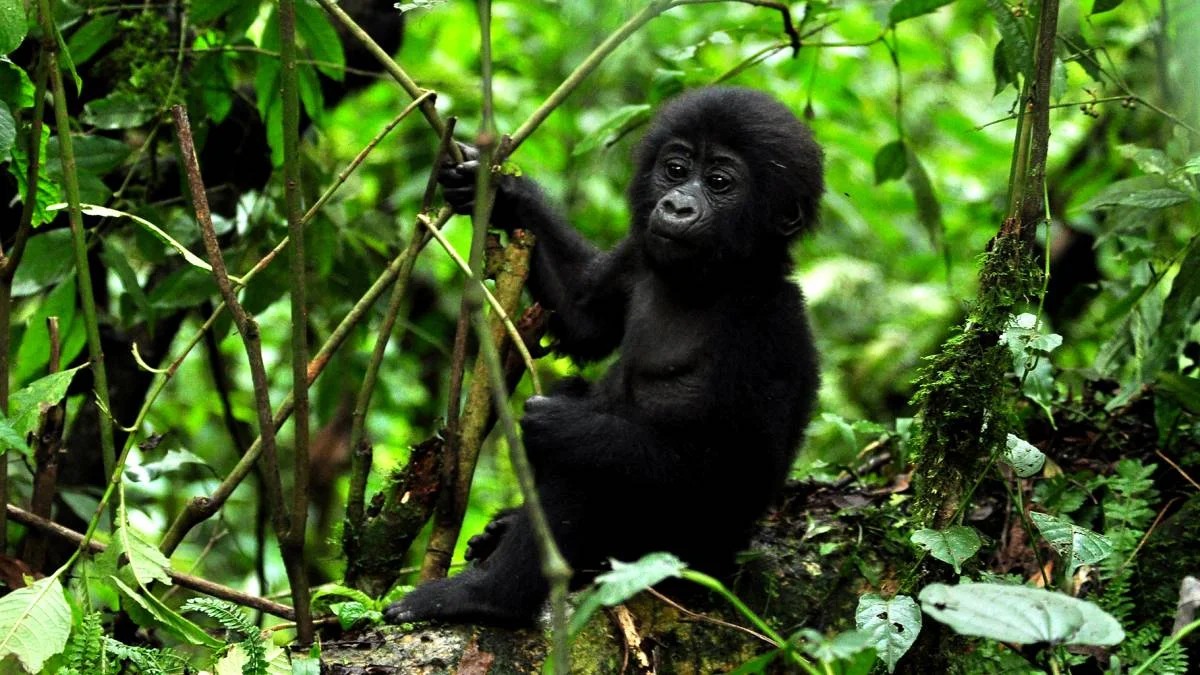
A gorilla safari from Japan is a rare and deeply rewarding long-distance wildlife journey that takes travelers from major cities such as Tokyo, Osaka, Kyoto, Nagoya, and Fukuoka all the way to the lush tropical rainforests of East Africa. The main destination for gorilla trekking is Bwindi Impenetrable National Park in Uganda, a UNESCO World Heritage Site and one of the most important conservation areas for endangered mountain gorillas.
Some Japanese travelers also consider Volcanoes National Park in Rwanda, but Uganda is often preferred due to lower costs, more trekking sectors, and a wider variety of safari combinations with savannah wildlife parks.
This guide explains how to plan your gorilla safari from Japan step by step, including flights, permits, accommodation, and trekking expectations.
Step 1: Choosing Your Destination
Japanese travelers typically choose between Uganda and Rwanda.
Uganda offers Bwindi Impenetrable National Park, which has the largest population of mountain gorillas and multiple trekking sectors such as Buhoma, Ruhija, Rushaga, and Nkuringo. This provides greater flexibility in itinerary planning and permit allocation.
Rwanda offers Volcanoes National Park, which is closer to Kigali and easier to access but has significantly higher gorilla permit costs.
Most travelers from Japan prefer Uganda due to better value and a more immersive wilderness experience.
Step 2: Flights from Japan to East Africa
There are no direct flights from Japan to Uganda or Rwanda, so all journeys involve at least one or two stopovers.
The main departure airports include Tokyo Narita, Tokyo Haneda, and Osaka Kansai International Airport. Common connecting hubs include Doha, Dubai, Istanbul, Singapore, Addis Ababa, Nairobi, or Cairo before arriving at Entebbe International Airport in Uganda or Kigali International Airport in Rwanda.
Total travel time typically ranges between 14 and 20 hours depending on routing and layovers.
Entebbe is the main gateway for Uganda safaris heading toward Bwindi Impenetrable National Park.
Step 3: Arrival and Transfer to Gorilla Regions
After arriving in Entebbe, travelers proceed toward Bwindi Impenetrable National Park.
There are two main options:
A domestic flight to airstrips such as Kihihi or Kisoro, which significantly reduces travel time and is ideal for luxury or short safari itineraries.
A road transfer, which takes approximately 8 to 10 hours depending on the trekking sector. The journey passes through Uganda’s scenic countryside, including rolling hills, lakes, and rural communities.
Many Japanese travelers choose road transfers for a more immersive cultural experience.
Step 4: Gorilla Permit Booking
A gorilla trekking permit is required for all visitors.
In Uganda, permits cost around 800 USD per person and are issued by the Uganda Wildlife Authority. In Rwanda, permits cost around 1,500 USD and are managed by the Rwanda Development Board.
Because permits are limited and in high demand, Japanese travelers are strongly advised to book at least 4 to 6 months in advance.
Without a permit, gorilla trekking is not permitted under any circumstances.
Step 5: Choosing a Tour Operator
Most travelers from Japan book their gorilla safari through a licensed East African tour operator.
A professional operator typically manages:
Gorilla permit booking
Airport transfers
Accommodation near Bwindi Impenetrable National Park
Safari transport and driver-guide
Full itinerary planning
This is especially important for long-haul travelers unfamiliar with African logistics.
Step 6: Safari Duration Options
Gorilla safaris from Japan can be short or extended depending on available travel time.
Common itinerary options include:
3-day gorilla trekking safari focused on Bwindi
4–5 day safari combining gorillas with Lake Bunyonyi or Queen Elizabeth National Park
7–10 day safari combining gorillas with broader East African wildlife circuits
Short safaris are ideal for limited vacation time, while longer itineraries offer a deeper African experience.
Step 7: Accommodation in Bwindi
Accommodation depends on your assigned trekking sector within Bwindi Impenetrable National Park.
Bwindi is divided into four main sectors: Buhoma, Ruhija, Rushaga, and Nkuringo. Each sector offers a range of lodges from budget to luxury.
Your tour operator will match your lodge to your trekking permit location to minimize travel time on trekking day.
Step 8: Best Time to Travel from Japan
The best time for gorilla trekking is during Uganda’s dry seasons.
These are:
June to September
December to February
These months offer better trekking conditions, less mud, and improved forest accessibility.
They also align with Japanese holiday periods, making planning easier for international travel.
Step 9: What Happens on Trekking Day
On trekking day in Bwindi Impenetrable National Park, you begin early with a briefing from Uganda Wildlife Authority rangers.
You are assigned a gorilla family group and then begin trekking through dense rainforest with experienced guides and trackers. Trekking duration varies from one to several hours depending on gorilla movement.
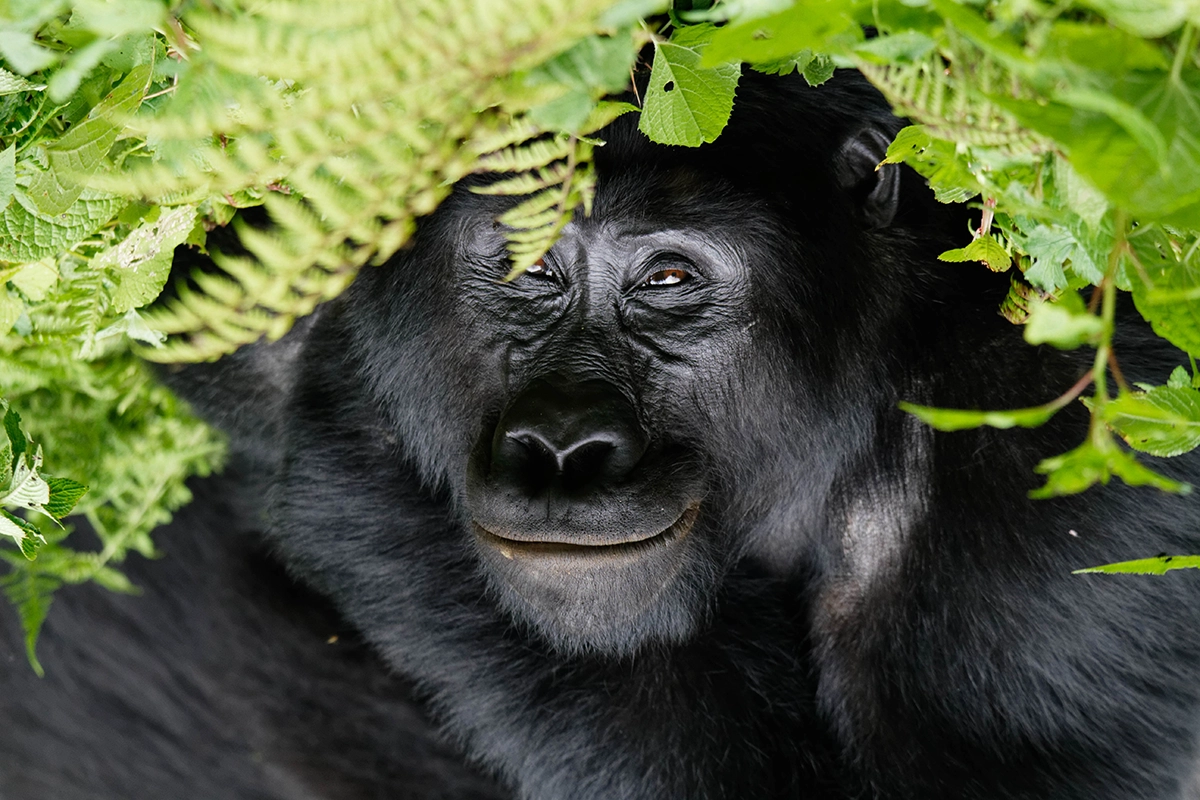
Once located, you spend one hour observing the gorillas as they feed, groom, play, and interact within their family group.
This is the highlight of the entire safari experience.
Step 10: Travel Requirements for Japanese Citizens
Japanese travelers must hold a valid passport with at least six months validity.
A Uganda tourist visa is required and must be obtained online before travel.
A yellow fever vaccination certificate is mandatory for entry into Uganda and recommended for Rwanda.
Comprehensive travel insurance covering medical evacuation and safari activities is strongly advised.
Step 11: Budget Overview
A gorilla safari from Japan includes several key costs:
International flights
Gorilla trekking permit
Accommodation and transport
Meals and guide services
Uganda remains more affordable than Rwanda, making it a popular choice for Japanese travelers seeking value and authentic wilderness experiences.
Planning a gorilla safari from Japan is a long but highly rewarding journey. From Tokyo or Osaka to Entebbe, and onward to Bwindi Impenetrable National Park, every step brings travelers closer to one of the most powerful wildlife encounters in the world.
With early permit booking, a trusted tour operator, and proper preparation, Japanese travelers can enjoy a seamless and unforgettable gorilla trekking adventure in the heart of East Africa.