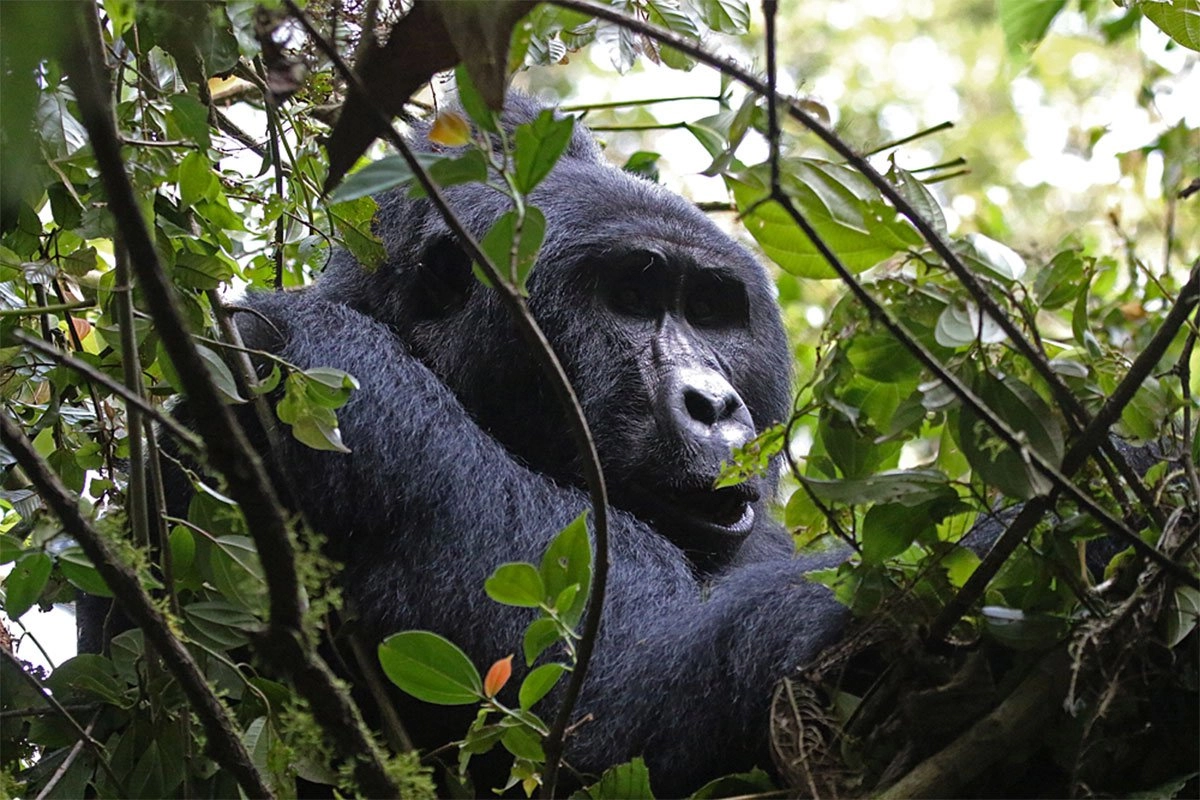
Gorilla Safaris July: The Most Popular Month Explained
July is the most popular month for gorilla safaris in Uganda, marking the height of the dry season when trekking conditions are at their absolute best. During this time, destinations such as Bwindi Impenetrable National Park and Mgahinga Gorilla National Park experience peak visitor numbers, as travelers from around the world arrive to take advantage of the ideal weather, clear trails, and exceptional wildlife encounters.
This month offers a near-perfect combination of dry conditions, excellent visibility, and high gorilla activity, making it especially attractive for first-time trekkers, photographers, and luxury safari travelers. However, with this popularity comes increased demand, requiring careful planning and early bookings to secure permits and accommodation.
Why July Is the Peak of Gorilla Trekking Season
July sits at the center of Uganda’s long dry season, providing consistently favorable trekking conditions across all gorilla habitats. Rainfall is minimal, and the forest trails are significantly drier compared to the wet months, reducing the difficulty of hiking through dense rainforest terrain.
This period coincides with international summer holidays in Europe and North America, which contributes to the surge in visitor numbers. As a result, July becomes the most competitive month for gorilla trekking permits, particularly in the most sought-after sectors of Bwindi. Travelers planning for July safaris are advised to book permits several months in advance to avoid disappointment.
Trekking Conditions and Experience in July
Gorilla trekking in July is characterized by ease of movement and rewarding wildlife encounters. Trails are firm and less slippery, making hikes more manageable even in steeper areas such as Nkuringo and Ruhija. The reduced vegetation density along trekking paths also improves visibility, allowing clearer views of gorilla families once located.
In Bwindi Impenetrable National Park, all four sectors—Buhoma, Rushaga, Ruhija, and Nkuringo—are fully active, offering a variety of trekking experiences. Buhoma is often preferred for moderate treks, while Rushaga is known for hosting the highest number of habituated gorilla families. Ruhija and Nkuringo provide more challenging, high-altitude treks with spectacular scenery.
Mgahinga Gorilla National Park presents a unique trekking environment with volcanic landscapes and bamboo forests. Although it has fewer gorilla families, the experience is often less crowded and equally rewarding, with stunning views of the Virunga volcanoes enhancing the adventure.
Gorilla Encounters and Wildlife Activity
July offers excellent opportunities to observe mountain gorillas in their natural habitat, as the dry conditions encourage more predictable movement patterns. Gorilla families are often found feeding, resting, or interacting in relatively accessible areas, reducing trekking time in some cases.
Visitors can witness a wide range of behaviors, including juveniles playing, mothers caring for infants, and dominant silverbacks maintaining group cohesion. The one-hour viewing period provides ample time to observe these interactions and capture memorable photographs.
Beyond gorillas, the forests are alive with other wildlife, including monkeys, forest birds, and small mammals, adding depth to the overall trekking experience.
Crowds and Permit Availability
The popularity of July means that demand for gorilla permits reaches its peak, particularly in Bwindi’s most accessible sectors. Permits are limited to protect the gorillas, making them highly sought after during this period.
Accommodation near trekking starting points also fills up quickly, especially in luxury and mid-range lodges. Travelers are strongly advised to plan and book their safaris at least three to six months in advance to secure preferred dates and locations.
Despite the higher number of visitors, trekking groups are carefully managed, ensuring that each gorilla family is visited by a limited number of people per day. This maintains the exclusive and intimate nature of the experience, even during peak season.
Weather and Climate in July
July weather is predominantly dry, with cool mornings and warm afternoons, creating comfortable conditions for trekking. Early mornings can be chilly, especially in higher-altitude sectors, so layering is essential.
The dry season also means clearer skies and better lighting conditions, which are ideal for photography. Occasional light showers may occur, but they are usually brief and do not significantly impact trekking activities.
The combination of dry trails and lush green landscapes—retained from previous rains—creates a visually stunning environment that enhances the overall safari experience.
Accommodation and Safari Logistics
July is one of the busiest months for accommodation in gorilla trekking regions, requiring early reservations. Lodges near Buhoma, Rushaga, Ruhija, and Nkuringo are particularly popular due to their proximity to trekking starting points.
Travelers can choose from luxury lodges with panoramic forest views, mid-range options offering comfort and convenience, and budget accommodations for more cost-conscious visitors. Regardless of choice, proximity to the trekking briefing point is key for a smooth experience.
Access to gorilla trekking regions typically involves arrival at Entebbe International Airport, followed by road transfers or domestic flights. Many safari operators provide comprehensive packages that include permits, transport, accommodation, and guided treks.
Tips for Gorilla Safaris in July
Preparation is essential to fully enjoy a July gorilla safari, even with favorable conditions. Wearing layered clothing helps manage temperature changes, while sturdy hiking boots provide support on uneven terrain. A light rain jacket is still recommended despite the dry season.
Carrying essentials such as water, snacks, sunscreen, insect repellent, and a camera ensures comfort and readiness during the trek. Hiring a porter can significantly ease the physical effort, particularly on longer or steeper treks.
Photographers benefit from the improved lighting conditions in July, making it easier to capture sharp, well-lit images of gorillas and the surrounding forest. Following ranger guidelines and maintaining proper distance from the gorillas is crucial for both safety and conservation.
Conservation and Responsible Tourism
Gorilla trekking in July plays a vital role in conservation efforts, as permit fees contribute to protecting endangered mountain gorillas and their habitats. Increased tourism during peak season provides significant support for anti-poaching initiatives, research, and community development.
Local communities benefit through employment opportunities and tourism-related businesses, reinforcing the importance of sustainable travel practices. Visitors are encouraged to respect conservation rules, minimize environmental impact, and engage responsibly with local cultures.
Why July Stands Out
July stands out as the ultimate month for gorilla trekking in Uganda, offering unmatched conditions, high success rates for sightings, and a vibrant safari atmosphere. While it is the busiest time of year, the experience remains well-managed, ensuring quality encounters with gorilla families.
For travelers seeking the best possible trekking conditions, clear visibility, and a lively safari environment, July delivers an exceptional experience that justifies its popularity.
Conclusion
July represents the peak of gorilla safari season in Uganda, combining dry weather, accessible trails, and unforgettable wildlife encounters. Although it requires early planning due to high demand, the rewards include smooth trekking experiences, excellent photography opportunities, and close interactions with mountain gorillas.
For anyone planning a gorilla safari, July offers a perfect balance of adventure, comfort, and reliability, making it the most sought-after month for exploring Uganda’s iconic gorilla habitats.