
Gorilla Safaris Uganda vs Kenya: Which Is the Better Choice?
When travelers start planning an East African safari, one of the most common comparisons is Uganda versus Kenya. The assumption is often that both countries offer similar wildlife experiences, but in reality they deliver completely different safari styles.
The most important point to understand immediately is this: Kenya does not offer gorilla trekking. Gorillas are found only in Uganda, Rwanda, and the Democratic Republic of Congo. Kenya is a classic savannah safari destination focused on big game, not primates.
So the real question is not simply which country is better, but what type of safari experience you want.
The key fact: Kenya has no gorillas
Kenya’s ecosystems are dominated by savannah, open plains, semi-arid regions, and seasonal grasslands. These environments support large herbivores and predators but are not suitable for mountain gorillas, which require dense tropical and montane rainforest habitats.
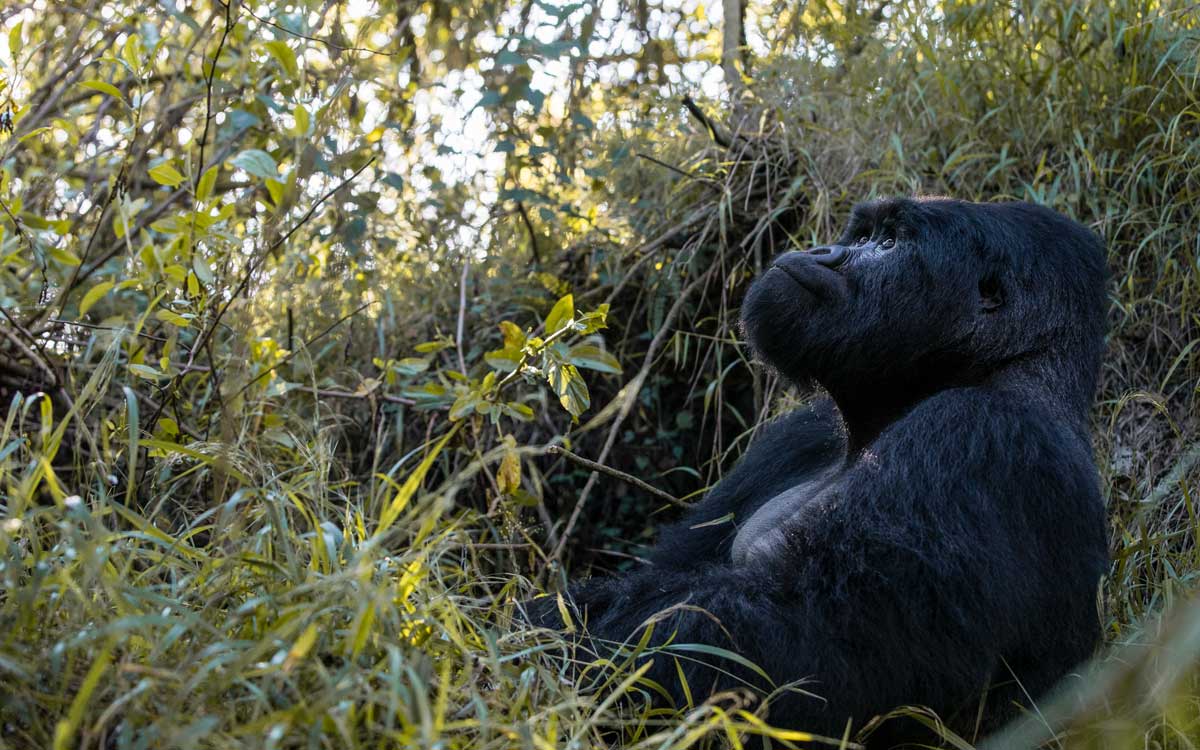
Gorillas live in high-altitude forests and dense jungle ecosystems found in Uganda, Rwanda, and Congo, not in Kenya’s savannah landscapes.
This means that if gorilla trekking is your main goal, Uganda is the clear choice.
Uganda: the gorilla trekking capital of East Africa
Uganda is one of the most important gorilla trekking destinations in the world, home to more than half of the remaining mountain gorilla population.
The main trekking locations are:
Bwindi Impenetrable National Park
Mgahinga Gorilla National Park
Uganda offers a dense, mountainous rainforest environment where trekking can be physically demanding but highly rewarding. The experience is immersive, raw, and deeply emotional because encounters happen in thick jungle conditions where visibility is limited and the moment of finding a gorilla family feels earned.
Uganda is also known for being more affordable than many other gorilla destinations, making it attractive for both mid-range and luxury safari travelers.
Kenya: the classic African safari experience
Kenya is globally famous for its open savannah landscapes and iconic wildlife viewing experiences.
The most important safari regions include:
Maasai Mara National Reserve
Amboseli National Park
Tsavo National Park
Kenya is known for its high concentration of large mammals, including lions, elephants, buffalo, giraffes, zebras, and cheetahs. It is also one of the best places to witness dramatic wildlife events such as predator hunts and seasonal migrations.
The experience is open, wide, and visually expansive, with animals often visible from long distances across the plains.
Forest vs savannah: the biggest difference
The core difference between Uganda and Kenya is the landscape.
Uganda offers dense tropical and montane forest environments. Trekking involves hiking through thick vegetation, steep slopes, and humid jungle conditions before reaching gorilla families hidden in the forest.
Kenya offers open savannah ecosystems with wide horizons, where animals can be seen clearly from vehicles across large distances.
Uganda feels close, enclosed, and immersive.
Kenya feels open, cinematic, and expansive.
Wildlife focus: primates vs big game
Uganda is primarily a primate destination. Its highlight experiences include gorilla trekking and chimpanzee tracking, making it ideal for travelers interested in rainforest ecosystems and intelligent forest-dwelling species.
Kenya is focused on large savannah wildlife and predator-prey interactions. It is ideal for viewing the Big Five and large-scale wildlife dynamics across open plains.
In simple terms:
Uganda = gorillas, chimpanzees, rainforest primates
Kenya = lions, elephants, cheetahs, savannah wildlife
Trekking style and safari experience
Gorilla trekking in Uganda is physically demanding. Visitors hike through dense forest for several hours depending on gorilla location. The moment of finding the gorilla family is quiet, intimate, and emotionally powerful.
Kenya safaris are generally vehicle-based game drives. Visitors travel through parks in safari vehicles, stopping frequently to observe wildlife. The experience is less physically demanding and more visually continuous.
Uganda requires effort and patience.
Kenya provides continuous wildlife viewing.
Cost differences
Uganda is generally more affordable overall for safari travel, especially for mid-range packages and accommodation.
Kenya tends to be more expensive in premium safari regions, especially in high-demand areas where luxury lodges dominate.
However, both countries offer options across different budget levels, from basic camping to high-end luxury safari experiences.
Accessibility and travel logistics
Kenya is easier to navigate for most travelers. Nairobi is a major international hub with well-established safari routes to key parks.
Uganda requires more travel time, especially for gorilla trekking destinations in the southwest. Road journeys can be long, though the scenery is often rewarding.
Uganda feels more remote and adventurous.
Kenya feels more streamlined and accessible.
Crowd levels and tourism style
Kenya’s popular parks, especially Maasai Mara, can experience high visitor density during peak seasons, particularly during wildlife migration periods.
Uganda’s gorilla trekking is strictly controlled. Only a limited number of permits are issued each day, ensuring small group sizes and controlled access to gorilla families.
This makes Uganda’s signature experience more exclusive and less crowded.
Emotional experience comparison
Uganda’s gorilla trekking is often described as deeply emotional due to close-range encounters with gorillas in a quiet forest environment. The experience feels intimate, calm, and highly immersive.
Kenya offers constant action and wide-scale wildlife scenes across open landscapes. It feels more cinematic and dynamic, with frequent predator sightings and large animal herds.
Uganda creates emotional depth.
Kenya creates visual spectacle.
Which is better depending on traveler type
Uganda is best for travelers who want:
Gorilla trekking experiences
Forest and jungle environments
Primate-focused safaris
More intimate wildlife encounters
Adventure-style trekking
Kenya is best for travelers who want:
Classic African savannah safaris
Big Five wildlife viewing
Open landscape photography
Great migration experiences
Luxury lodge-based safaris
Uganda and Kenya are not direct competitors because they offer fundamentally different safari experiences.
Uganda is the best choice for gorilla trekking and forest primate encounters. It provides close, emotional, and immersive wildlife experiences in dense rainforest environments.
Kenya is the best choice for classic safari landscapes, large wildlife populations, and open savannah game viewing.
For many travelers, the ideal safari experience is not choosing one over the other, but understanding that each country represents a different side of Africa’s wildlife diversity.