
Gorilla Safaris Uganda vs Tanzania: Different Experiences Compared
When travelers compare Uganda and Tanzania, they are often comparing two completely different safari worlds rather than two similar destinations. Both countries offer some of the most iconic wildlife experiences in Africa, but only one of them offers gorilla trekking. This single difference shapes the entire safari experience.
Uganda is a primate and rainforest destination centered on gorilla trekking and forest encounters. Tanzania is a vast savannah safari powerhouse known for big game, dramatic landscapes, and large-scale wildlife migrations.
Understanding this distinction is essential before deciding which destination fits your travel expectations.
The key reality: Tanzania has no gorilla trekking
Tanzania is one of Africa’s greatest safari countries, but it does not have mountain gorillas in the wild. Gorillas are found only in a narrow ecological belt of rainforest and montane forest across Uganda, Rwanda, and the Democratic Republic of Congo.
Tanzania’s ecosystems are primarily savannah, woodlands, volcanic plains, and large protected grassland reserves. These environments are ideal for elephants, lions, giraffes, zebras, and wildebeest-but not for gorillas.
So if gorilla trekking is your main goal, Uganda is the correct choice by default.
Uganda: East Africa’s gorilla trekking hub
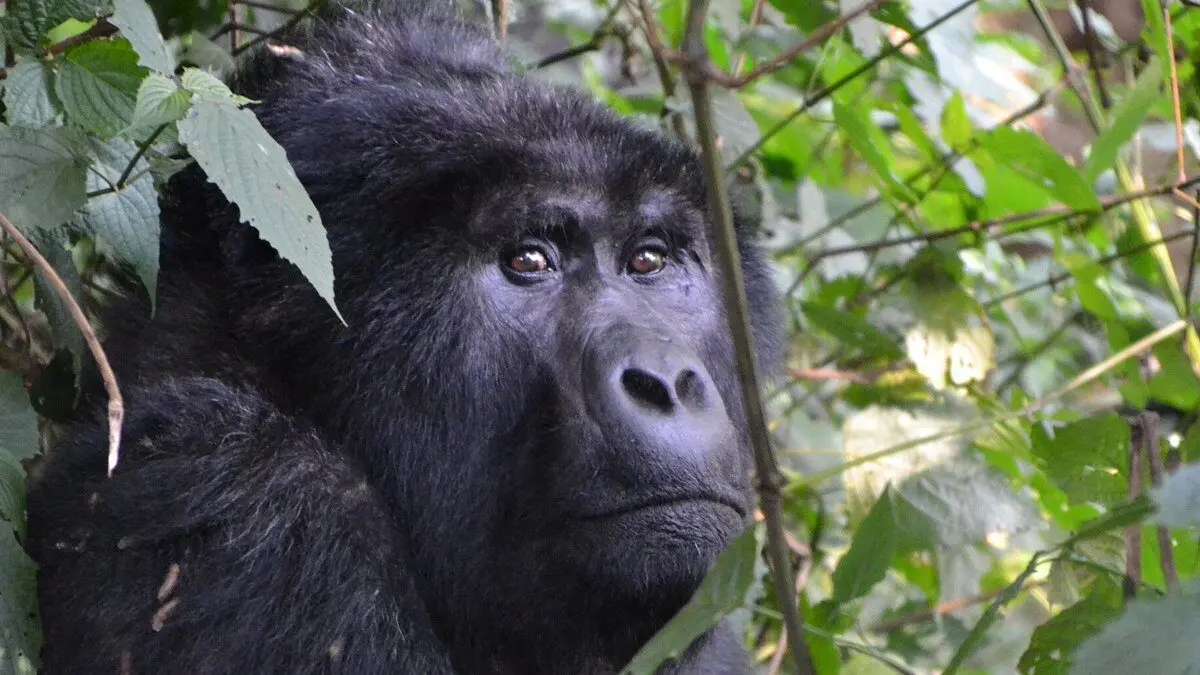
Uganda is one of the most important gorilla trekking destinations in the world. It is home to more than half of the remaining mountain gorillas, concentrated mainly in:
Bwindi Impenetrable National Park
Mgahinga Gorilla National Park
These forests are dense, mountainous, humid, and physically challenging. Trekking here involves hiking through thick vegetation, steep slopes, and unpredictable terrain before reaching a gorilla family.
The reward is one of the most intimate wildlife encounters on Earth-standing a short distance from a wild gorilla family in their natural rainforest habitat.
Uganda also offers chimpanzee trekking and rich biodiversity, making it a strong destination for forest-based wildlife experiences.
Tanzania: Africa’s classic safari giant
Tanzania is one of the most famous safari countries in the world and offers a very different experience from Uganda.
Its major safari regions include:
Serengeti National Park
Ngorongoro Conservation Area
Tarangire National Park
Ruaha National Park
Nyerere National Park
Tanzania is best known for open savannah landscapes, large predator populations, and massive herds of herbivores. It is also home to the Great Migration, one of the most spectacular wildlife movements on Earth.
The safari experience here is wide, dramatic, and visually expansive, with animals often visible across long distances.
Forest immersion vs open plains
The biggest difference between Uganda and Tanzania is the landscape.
Uganda is dominated by dense rainforest and mountainous terrain. Gorilla trekking takes place in enclosed, humid environments where visibility is limited and encounters feel sudden and intimate.
Tanzania is dominated by open savannah and vast grasslands. Wildlife is visible from far distances, and the experience feels cinematic and panoramic.
Uganda feels close, intense, and immersive.
Tanzania feels open, expansive, and dramatic.
Wildlife focus: primates vs big game
Uganda’s safari identity is strongly tied to primates, especially mountain gorillas and chimpanzees. It is a forest ecosystem experience where intelligence, behavior, and close-range encounters are central.
Tanzania focuses on large mammals and predator-prey interactions. Lions, elephants, buffalo, cheetahs, leopards, and wildebeest dominate the safari experience.
In simple terms:
Uganda = gorillas, chimpanzees, rainforest primates
Tanzania = big cats, elephants, savannah wildlife, migration herds
Gorilla trekking experience vs game drives
Uganda’s gorilla trekking is physically demanding and emotionally intense. Visitors hike through forest for hours before locating a gorilla family. Once found, the experience is quiet, controlled, and deeply personal, with strict time limits to minimize disturbance.
Tanzania’s safari experience is primarily vehicle-based game drives. Travelers move across national parks in safari vehicles, observing wildlife throughout the day without heavy physical effort.
Uganda requires hiking effort and patience.
Tanzania offers continuous wildlife viewing with minimal physical exertion.
The Great Migration factor
One of Tanzania’s biggest advantages is the Great Migration in the Serengeti ecosystem. This natural event involves millions of wildebeest and zebras moving across the plains in search of grazing and water.
It creates dramatic predator-prey interactions, river crossings, and large-scale movement scenes that are unmatched in Uganda.
Uganda does not have large-scale migrations but instead offers stable forest ecosystems with year-round gorilla presence.
Cost comparison
Uganda is generally more affordable for safari travel, especially for mid-range and mixed safari packages.
Gorilla trekking permits are a significant cost factor, but overall Uganda remains more budget-friendly than Tanzania’s premium safari circuits.
Tanzania can be more expensive, particularly in high-end areas like the Serengeti and Ngorongoro where luxury lodges and flying safaris are common.
However, Tanzania offers a wider range of luxury safari experiences and high-end wilderness tourism.
Accessibility and logistics
Tanzania is more accessible for classic safari travel. It has well-developed safari circuits, multiple domestic flight routes, and strong tourism infrastructure.
Uganda requires more travel effort, especially for reaching gorilla trekking regions in the southwest. Road travel can be long and winding, though the scenery is often rewarding.
Tanzania is easier for multi-park itineraries.
Uganda feels more remote and immersive.
Crowd levels and safari atmosphere
Tanzania’s popular parks, especially the Serengeti and Ngorongoro Crater, can become busy during peak seasons, particularly around migration periods.
Uganda’s gorilla trekking is strictly regulated. Only small groups are allowed per gorilla family each day, creating a controlled and low-density experience.
This makes Uganda’s main attraction feel more exclusive and personal.
Emotional experience comparison
Uganda’s gorilla trekking is often described as emotionally powerful due to close human-animal proximity, forest silence, and direct eye contact with gorillas.
Tanzania delivers emotional impact through scale-vast landscapes, massive herds, dramatic predator encounters, and the movement of millions of animals across open plains.
Uganda creates intimacy.
Tanzania creates spectacle.
Photography differences
Uganda offers challenging photography conditions due to low light, dense vegetation, and close-range shooting in forest environments. However, it produces powerful emotional portraits.
Tanzania offers ideal wildlife photography conditions with open landscapes, strong light, and long viewing distances that allow action shots and wide scenic compositions.
Uganda is better for emotional close-ups.
Tanzania is better for landscape and action photography.
Which destination is better for different travelers
Uganda is ideal for travelers who want:
Gorilla trekking experiences
Forest and jungle environments
Close-range wildlife encounters
Primate-focused safaris
Adventure trekking experiences
Tanzania is ideal for travelers who want:
Classic African safari landscapes
Big Five wildlife viewing
Great Migration experiences
Luxury safari lodges
Wide-open savannah photography
Uganda and Tanzania are not competing safari destinations-they represent two completely different African ecosystems and travel experiences.
Uganda is the premier destination for gorilla trekking and rainforest wildlife encounters, offering intimate, immersive, and emotionally intense experiences in dense forest environments.
Tanzania is one of the greatest savannah safari destinations in the world, offering large-scale wildlife viewing, dramatic landscapes, and iconic migration events.
The choice depends entirely on what kind of safari experience you want: close forest encounters with primates or expansive savannah adventures with big game and migration herds.