
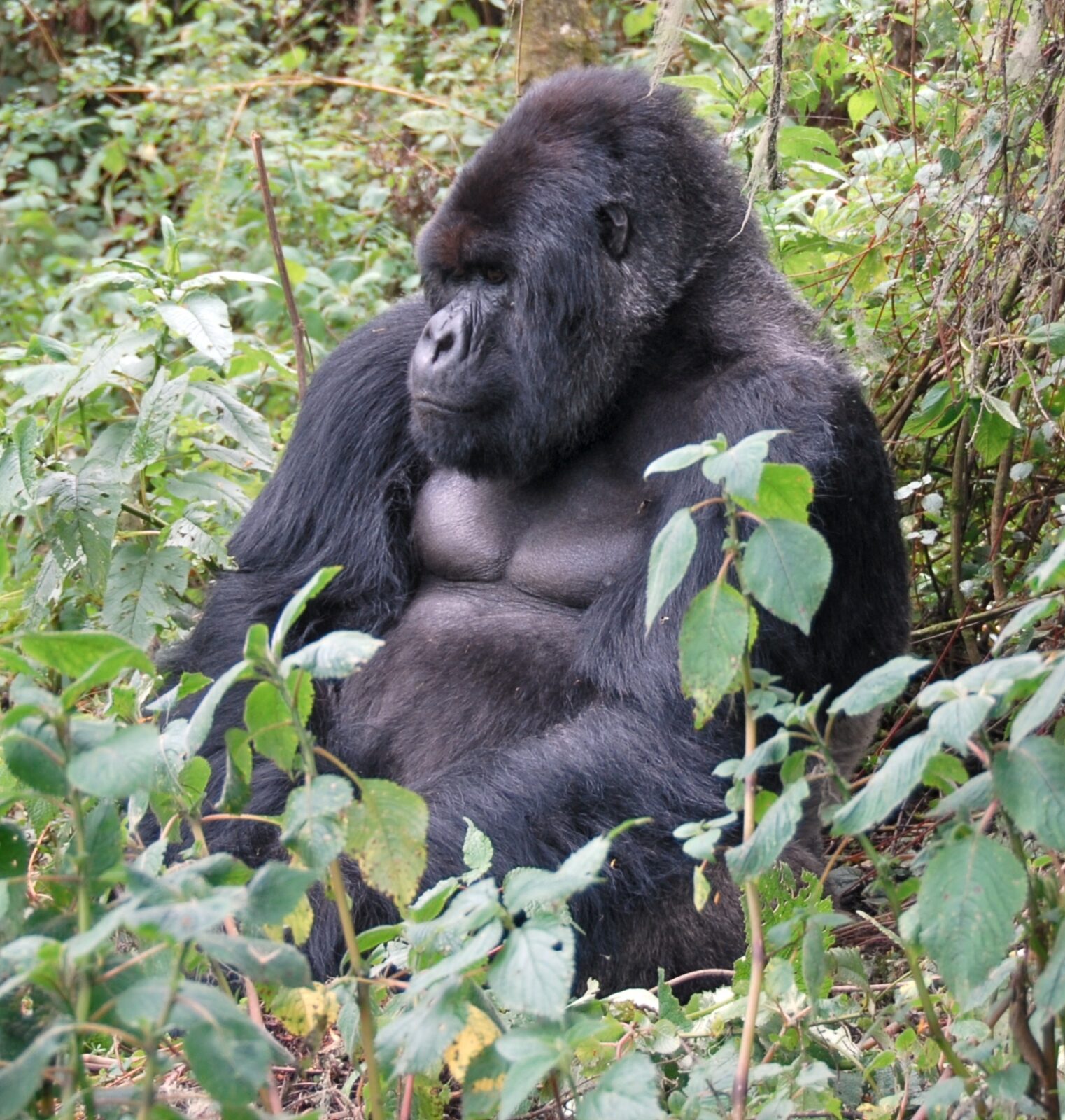
Gorilla Trekking as a Corporate Team-Building Experience
Beyond conventional corporate retreats and structured team-building exercises, gorilla trekking offers organisations a genuinely distinctive alternative, a shared physical challenge and profound wildlife encounter that naturally builds team cohesion through authentic shared experience rather than artificially constructed exercises. Understanding how to structure a gorilla trekking corporate trip effectively helps organisations maximise the genuine team-building value this unique experience offers.
Why Gorilla Trekking Works So Well for Team Building
Unlike conventional team-building exercises that can sometimes feel contrived or artificial, gorilla trekking creates genuine shared adversity and achievement, colleagues supporting each other through physically demanding terrain, sharing the emotional intensity of an actual gorilla encounter, and processing a genuinely significant shared experience together. This authenticity distinguishes gorilla trekking from manufactured team-building activities, producing bonding that emerges naturally from real shared challenge rather than staged corporate exercises.
The Physical Challenge as a Team Dynamic
Gorilla trekking’s genuine physical demands, potentially several hours of demanding hiking through steep, muddy terrain, naturally surface team dynamics around mutual support, encouragement, and shared perseverance through genuine difficulty, dynamics considerably harder to replicate through conventional office-based team-building exercises. Colleagues who support each other through a physically demanding trek often develop working relationships noticeably strengthened by this shared experience of genuine challenge and mutual encouragement.
Structuring a Corporate Gorilla Trekking Trip
Successful corporate gorilla trekking trips typically combine the trekking experience itself with structured debrief and reflection sessions, helping teams process and consciously extract meaning and lessons from the shared experience rather than simply treating it as an enjoyable but disconnected excursion. Building in dedicated time for team discussion, both immediately following the trek and later in the broader trip, helps organisations capture genuine team-building value beyond simply the shared experience itself.
Group Size Considerations for Corporate Trips
Given that individual gorilla trekking groups are capped at eight visitors per gorilla family, larger corporate groups need advance planning to secure sufficient permits, potentially splitting across multiple gorilla families or trekking days depending on group size and permit availability. Organisations planning corporate gorilla trekking trips should factor this capacity constraint into planning timelines, securing permits well in advance given both the group size requirements and general demand for gorilla trekking permits.
Combining Trekking With Broader Corporate Retreat Elements
Most successful corporate gorilla trekking trips combine the trek itself with additional retreat elements, structured strategy sessions, informal team bonding time, and comfortable lodge accommodation offering appropriate settings for both the demanding trekking day and more conventional retreat activities surrounding it. This combination approach allows organisations to capture both the genuine authenticity gorilla trekking provides and the structured business objectives a corporate retreat typically requires.
Accessibility Considerations for Team Members
Organisations should honestly consider team members’ varying physical fitness levels and any health considerations that might affect gorilla trekking suitability, since the activity’s genuine physical demands aren’t appropriate for every team member regardless of enthusiasm. Building in alternative activities for team members unable to participate in the trek itself, ensures the broader corporate trip remains inclusive even when the signature activity isn’t universally accessible to every participant.
Cost Considerations for Corporate Gorilla Trekking Trips
Corporate gorilla trekking trips represent a genuinely significant financial investment, with permit costs alone reaching $800 per person in Uganda or $1,500 per person in Rwanda, before factoring in accommodation, transport, and broader retreat logistics for an entire team. Organisations should weigh this cost honestly against anticipated team-building value and consider whether a smaller, more focused group trip might deliver better return on investment than attempting to include an entire large organisation within a single trip.
Timing Corporate Trips Around Business Calendars
Given gorilla trekking’s genuine appeal and permit demand, organisations planning corporate trips should book well in advance, particularly for peak season travel, while also carefully considering timing relative to broader business calendars, avoiding periods of peak organisational demand that might make extended team absence genuinely difficult to accommodate. This advance planning consideration applies particularly strongly for larger organisations where coordinating multiple team members’ availability adds genuine scheduling complexity.
Measuring the Return on Team-Building Investment
Organisations investing in gorilla trekking specifically for team-building purposes should consider how they’ll assess the experience’s actual impact, informal feedback sessions, longer-term observation of team dynamics, or more structured evaluation approaches, rather than simply assuming the experience automatically delivers team-building value without any genuine follow-up assessment. This measurement discipline, while sometimes overlooked given the experience’s inherent appeal, helps organisations genuinely understand and articulate the value such a significant investment actually delivered.
Combining Conservation Values With Corporate Purpose
Beyond pure team-building value, organisations increasingly appreciate that gorilla trekking’s direct connection to conservation funding aligns naturally with corporate social responsibility objectives, allowing the trip to serve dual purposes, genuine team building alongside a meaningful contribution to critically important conservation work. This alignment between corporate purpose and conservation impact often resonates particularly well with team members increasingly conscious of environmental and social responsibility considerations in corporate travel decisions.
Tax and Budget Classification Considerations
Organisations should consult with their finance and tax advisory teams regarding how a corporate gorilla trekking trip might be classified and budgeted, whether as employee development, team building, or a broader retreat expense category, since this classification can carry genuine implications for internal budgeting processes and, depending on jurisdiction, potential tax treatment. Addressing this administrative dimension early in the planning process avoids complications arising later when the trip’s actual costs need proper internal accounting and justification.
Planning Your Organisation’s Gorilla Trekking Experience
A well-planned gorilla trekking corporate trip offers organisations a genuinely distinctive alternative to conventional team-building approaches, authentic shared challenge and achievement that naturally builds team cohesion beyond what manufactured corporate exercises typically deliver. Organisations ready to explore this approach should discuss group logistics and permit requirements directly with an experienced tour operator when planning a Uganda gorilla trekking safari specifically designed around corporate team-building objectives.
Choosing Between Uganda and Rwanda for Corporate Trips
Organisations weighing Uganda against Rwanda for a corporate gorilla trekking trip should consider Rwanda’s more streamlined logistics and premium accommodation infrastructure against Uganda’s lower permit costs and greater overall trekking capacity, a decision that ultimately depends on specific budget constraints and how much emphasis the organisation places on polished, minimal-logistics execution versus cost efficiency. Both destinations deliver genuinely comparable core trekking experiences, making this decision primarily about surrounding logistics and budget rather than any meaningful difference in the actual team-building value the encounter itself provides.
Extending the Trip With Additional Team Activities
Organisations with sufficient budget and time sometimes extend corporate gorilla trekking trips with additional shared activities, white water rafting in Jinja, savannah game drives, or cultural village visits, building a more comprehensive multi-day team experience rather than a single-activity trip centred purely around the trek itself. This extended approach allows organisations to capture additional team-building value across multiple shared experiences while still anchoring the trip around gorilla trekking as the signature, most memorable component.
Working With Specialist Corporate Travel Operators
Given the genuine logistical complexity corporate group trips introduce, coordinating multiple permits, group accommodation, and often specific business scheduling requirements, organisations benefit considerably from working with tour operators specifically experienced in corporate and incentive group travel rather than assuming standard individual traveller booking processes will scale smoothly to a larger organisational group. These specialist operators bring genuine experience navigating group-specific challenges that individual travel planning simply doesn’t require.
Leadership Development Through Gorilla Trekking
Beyond general team cohesion, some organisations specifically use gorilla trekking trips as leadership development opportunities, observing how team members handle genuine physical and emotional challenge, support colleagues facing difficulty, and process a genuinely significant shared experience under real, if manageable, pressure. This leadership development angle adds another dimension of organisational value beyond simple team bonding, particularly for organisations specifically developing emerging leaders through experiential rather than purely classroom-based training approaches.
Cross-Departmental Bonding Opportunities
Corporate gorilla trekking trips often bring together colleagues who wouldn’t otherwise interact closely in daily office life, different departments, different seniority levels, creating genuine cross-organisational relationship building that can meaningfully improve broader workplace collaboration once the team returns from the trip. This cross-departmental dimension often proves particularly valuable for larger organisations where departmental silos can otherwise limit genuine cross-functional relationship building and communication.
Setting Realistic Expectations for Team-Building Outcomes
While gorilla trekking offers genuine team-building potential, organisations should approach the investment with realistic expectations, a single shared experience, however powerful, won’t single-handedly resolve deep-seated organisational dysfunction or replace ongoing, sustained team development efforts back in the regular workplace. Treating the trip as one meaningful component within a broader, ongoing team development strategy, rather than a standalone solution, produces considerably more realistic and ultimately more satisfying organisational outcomes over the longer term.
Documenting the Experience for Internal Communication
Organisations often find genuine value in professionally documenting corporate gorilla trekking trips, photography and short video content that can support internal communication, recruitment marketing, and broader organisational storytelling well beyond the immediate team-building value of the trip itself. Arranging professional photography or videography alongside the trip, with appropriate advance coordination given gorilla trekking’s strict photography protocols, allows organisations to extract genuinely lasting communication value from what might otherwise remain a purely internal, largely undocumented and quickly forgotten experience.