
Uganda Safari for Teenagers: How to Keep Young Travellers Engaged
Teenagers genuinely occupy a favourable position for Uganda safari travel, old enough to participate in gorilla trekking from age fifteen, physically capable of handling demanding activities, yet still young enough to bring genuine, unguarded wonder and enthusiasm to wildlife encounters that can sometimes feel routine to more jaded, well-travelled adults. Understanding how to keep teenagers genuinely engaged throughout a Uganda trip, rather than assuming they’ll automatically share adult enthusiasm for every activity, helps families and school groups build a genuinely successful, well-rounded teenage-inclusive itinerary.
Gorilla Trekking: A Genuine Highlight for Eligible Teenagers
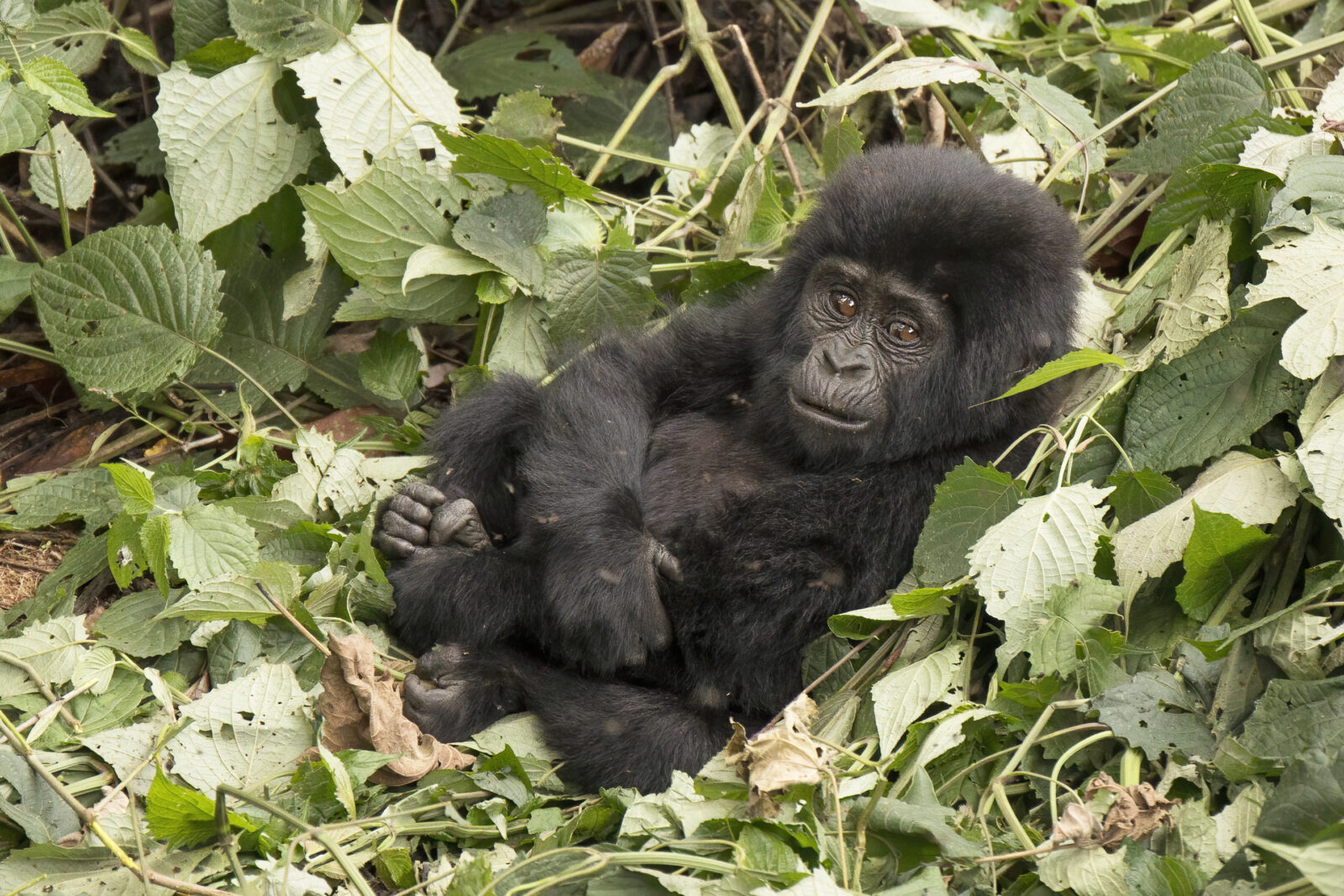
Teenagers aged fifteen and above can participate fully in gorilla trekking, and many describe the experience as genuinely transformative, a physically demanding challenge combined with a profound, genuinely moving wildlife encounter that resonates particularly strongly with teenagers at a life stage often characterised by seeking meaningful, identity-shaping experiences. Framing the trek specifically as a genuine achievement and privilege, rather than simply another item on a family itinerary, often helps teenagers approach the entire experience with appropriately serious, genuine engagement throughout.
Adventure Activities That Appeal to Teenage Travellers
Beyond gorilla trekking, Jinja’s adventure activities, white water rafting, bungee jumping, and quad biking, tend to appeal particularly strongly to teenage travellers seeking genuine adrenaline and physical challenge, activities that often generate considerably more authentic teenage enthusiasm than more passive wildlife viewing experiences alone might. Building at least one or two of these higher-energy activities into a teenage-inclusive itinerary helps maintain engagement alongside the more conventional wildlife-focused portions of the trip.
Photography as an Engagement Tool
Many teenagers respond genuinely well to photography as a way of engaging more actively with wildlife viewing, and encouraging teenagers to bring or use a camera, whether a dedicated device or simply a smartphone, transforms passive observation into a more active, creative pursuit that tends to hold teenage attention considerably better than simply watching wildlife pass by. Some families specifically gift teenagers a basic camera before the trip, framing photography as a genuine responsibility and creative outlet throughout the safari.
Cultural Engagement Beyond Wildlife
Teenagers often engage particularly meaningfully with cultural experiences, community village visits, conversations with local guides about contemporary Ugandan life, and genuine cross-cultural exchange opportunities that can prove considerably more intellectually engaging for this age group than purely wildlife-focused activities alone. Encouraging teenagers to ask questions and genuinely engage with guides and community members during these cultural encounters often produces some of the trip’s most meaningful moments for this particular age group.
Balancing Structure With Independence
Teenagers generally respond well to itineraries offering some genuine choice and autonomy within the broader structure, input into which optional activities to prioritise, some independence during appropriate moments, and treatment as genuine participants in trip planning rather than passive passengers along for an entirely parent-determined itinerary. This balance between necessary structure and meaningful autonomy tends to produce considerably more genuine engagement than an entirely top-down, adult-determined approach.
Managing Technology and Connectivity Expectations
Given teenagers’ typically strong connection to digital devices and social media, families should discuss realistic expectations about connectivity well before the trip, since Uganda’s more remote national parks often offer limited or no internet access, a genuine adjustment for many teenagers accustomed to constant connectivity. Framing this disconnection positively, as a genuine opportunity for authentic presence and engagement rather than simply an inconvenient restriction, often helps teenagers approach the limitation more constructively.
School Group Travel to Uganda
Beyond family travel, Uganda increasingly attracts school and educational group trips specifically designed around conservation education, cultural exchange, and genuine experiential learning opportunities that classroom instruction alone cannot replicate. These structured educational trips often incorporate deliberate reflection and discussion components, helping teenagers process and genuinely internalise the significant experiences a Uganda trip provides beyond simple entertainment or sightseeing.
Preparing Teenagers Intellectually Before the Trip
Teenagers often engage more meaningfully with a Uganda safari when given some intellectual preparation beforehand, understanding gorilla conservation’s broader context, Uganda’s history and culture, and the genuine significance of what they’re about to experience, rather than arriving with no context beyond vague awareness of an upcoming family trip. This preparation transforms the trip from simple entertainment into a more genuinely educational, meaningful experience that resonates considerably more deeply with this age group.
Addressing Teenage Skepticism or Reluctance
Some teenagers, particularly those dragged along on a family trip they didn’t specifically choose, may arrive with genuine skepticism or reluctance, and acknowledging this honestly rather than forcing artificial enthusiasm often produces better outcomes than insisting teenagers perform excitement they don’t genuinely feel. Many reluctant teenage travellers report being genuinely won over once actually encountering wildlife directly, the raw authenticity of an actual gorilla encounter often overcoming initial skepticism in ways that pre-trip persuasion alone couldn’t achieve.
Building Lasting Memories With Teenagers
Teenagers who genuinely engage with a Uganda safari, particularly gorilla trekking specifically, often describe the experience years later as a genuinely formative part of their broader life experience, distinct from other family travel in its intensity and authenticity. Families and educators planning teenage-inclusive travel should explore a Uganda gorilla trekking safari with genuine confidence that this age group, given appropriate framing and engagement strategies, tends to respond remarkably well to what the experience offers.
Chimpanzee Tracking as an Additional Teenage-Friendly Activity
Kibale Forest’s chimpanzee tracking offers teenagers a genuinely engaging complementary primate experience alongside gorilla trekking, chimpanzees’ more energetic, unpredictable movement through the canopy often appealing to teenagers who enjoy the physical challenge of moving quickly to keep pace with the group. This activity’s somewhat more dynamic character, compared to the calmer, more concentrated hour typically spent with gorillas, offers genuine variety within a broader primate-focused itinerary that many teenagers find particularly memorable.
Physical Fitness Preparation for Teenage Trekkers
While most physically active teenagers handle gorilla trekking’s demands without significant difficulty, encouraging some general physical preparation beforehand, regular walking or hiking, general cardiovascular fitness, helps ensure teenagers approach the actual trekking day with genuine physical readiness rather than facing unexpected difficulty partway through a potentially demanding multi-hour hike. This preparation also helps build genuine anticipation and investment in the upcoming experience, treating the trek as something worth actively preparing for rather than simply showing up unprepared.
Involving Teenagers in Trip Planning
Giving teenagers genuine input into itinerary decisions, which optional activities to prioritise, which cultural experiences sound most interesting, which destinations within a broader multi-park itinerary to include, tends to produce considerably stronger engagement than presenting a completely pre-determined itinerary with no teenage input whatsoever. This collaborative planning approach treats teenagers as genuine stakeholders in the trip rather than passive participants along for a purely parent-determined experience, often producing noticeably more enthusiastic engagement throughout the actual travel.
Peer Travel and Group Dynamics
Teenagers travelling within larger family groups, extended family trips, or organised school groups often find the peer social dimension considerably enhances their overall engagement, sharing reactions to wildlife encounters, processing experiences together, and building shared memories with siblings, cousins, or classmates rather than experiencing the trip in relative isolation surrounded primarily by adults. Families and educators should consider this social dimension when planning teenage-inclusive trips, since the presence of peers often meaningfully amplifies genuine engagement and enjoyment.
Addressing Safety Concerns Parents Might Have
Parents naturally have some safety concerns when considering teenage participation in physically demanding activities like gorilla trekking, and understanding Uganda’s genuinely robust safety protocols, mandatory armed ranger guides, strict behavioural rules, and established emergency response procedures, helps parents approach the decision with appropriate confidence rather than excessive anxiety about their teenager’s safety during the experience. Discussing specific safety protocols directly with tour operators before booking provides genuine reassurance grounded in accurate information rather than general worry.
Journaling and Reflection During the Trip
Encouraging teenagers to keep a simple travel journal throughout the trip, recording reactions, observations, and reflections as the experience unfolds, often produces genuinely valuable engagement beyond passive observation, transforming the trip into an active process of reflection and meaning-making rather than simply consuming experiences without deeper processing. Many teenagers who initially resist this kind of reflective practice come away genuinely grateful for having a detailed record of their thoughts and reactions once the trip concludes and memories inevitably begin fading.
How This Age Group Differs From Younger Children
Unlike younger children requiring considerably more structured, shorter activities and frequent breaks, teenagers generally possess the physical stamina and attention span to engage meaningfully with longer, more demanding activities, closer in capability to adult travellers than to younger children, while still bringing a distinctly teenage combination of genuine curiosity and occasional reluctance that requires thoughtful engagement strategies distinct from either younger children or fully independent adult travellers.
A Genuinely Rewarding Age Group for Uganda Travel
Teenagers represent a genuinely favourable age group for Uganda safari travel, physically capable, intellectually curious, and often profoundly affected by the authentic wildlife encounters gorilla trekking and broader safari activities provide, given thoughtful engagement strategies that genuinely respect their particular developmental stage, interests, and desire for meaningful, authentic experiences rather than passive sightseeing alone.