
Travelling to Uganda with a Toddler: Is It Possible?
Yes, travelling to Uganda with a toddler is genuinely possible, though it genuinely requires realistic expectations about which activities will suit your youngest travellers and an itinerary built specifically around toddler-appropriate pacing rather than a conventional, more demanding adult-focused safari schedule. Understanding exactly what genuinely works and what doesn’t helps families make an honest, informed decision about whether this particular trip, at this particular life stage, truly makes sense for them.
The Gorilla Trekking Reality for Families With Toddlers
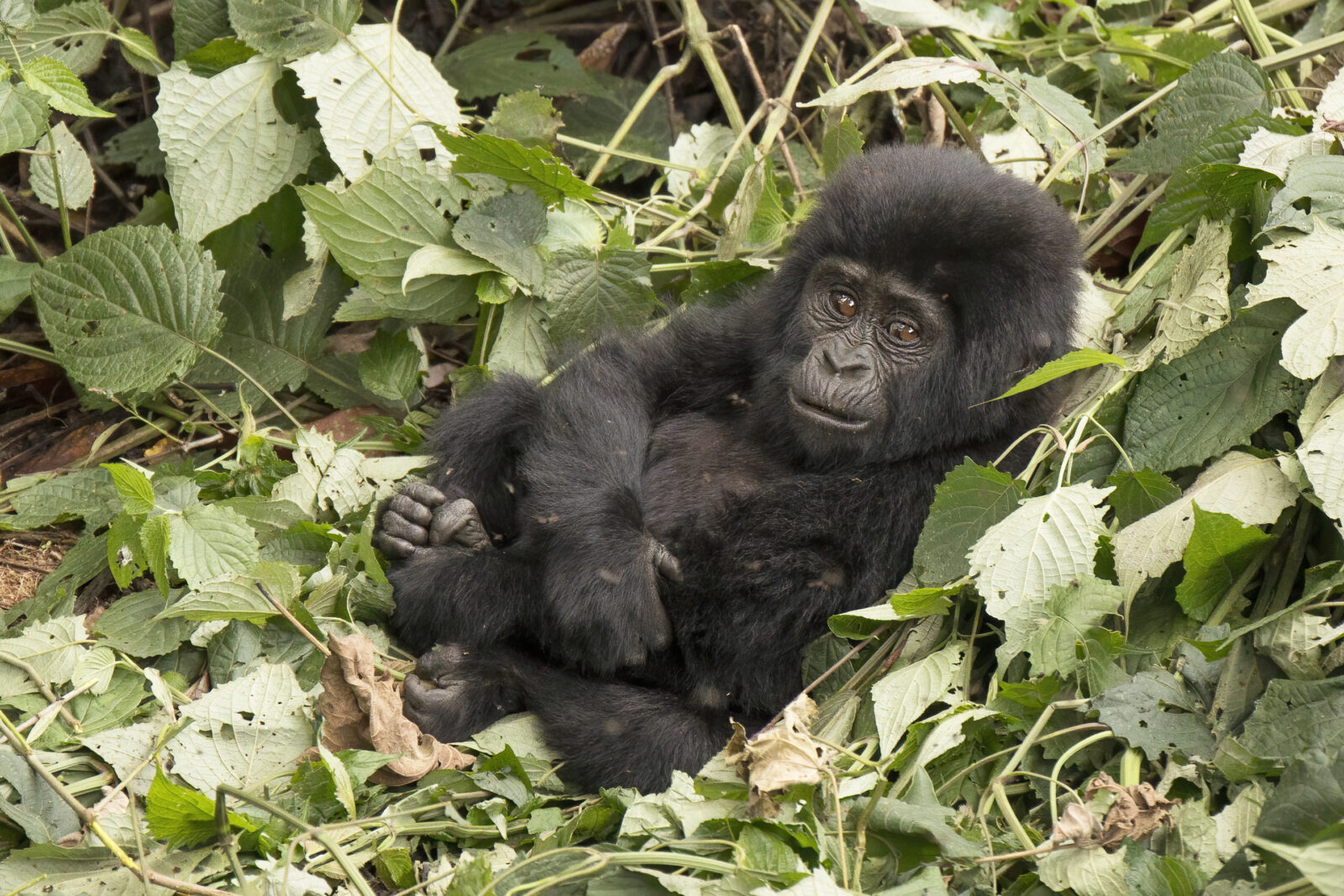
Given Uganda’s strict fifteen-year minimum age for gorilla trekking, families travelling with toddlers should understand from the outset that gorilla trekking simply won’t be part of the trip for the youngest family member, meaning parents typically need to either arrange separate childcare during the trekking portion or accept that gorilla trekking waits for a future trip once children reach the eligible age. This reality should factor prominently into the honest decision about whether a Uganda trip makes sense at this specific stage, or whether waiting until children are older produces a more satisfying overall family experience.
What Activities Actually Work Well With a Toddler
Boat safaris, offering close wildlife viewing without requiring toddlers to sit still through extended vehicle-based game drives, tend to work considerably better than standard game drives, given the more relaxed movement and shorter attention span demands involved. Lodge-based relaxation time, swimming pools, and shorter, more flexible activities generally suit toddlers considerably better than ambitious, activity-packed itineraries designed around adult stamina and interest levels.
Health and Safety Considerations Specific to Toddlers
Toddlers require particular attention to malaria prevention, given their smaller body weight and the specific dosing considerations paediatric malaria prophylaxis involves, alongside yellow fever vaccination requirements that families should confirm with a travel health specialist experienced in paediatric travel medicine well before departure. Sun protection, hydration, and general heat management also require particular attention given toddlers’ greater vulnerability to dehydration and sun exposure compared to older children or adults.
Accommodation Considerations for Toddler Travel
Families travelling with toddlers should research accommodation carefully, confirming genuine suitability for very young children, cots or extra bed availability, childproofing considerations given many safari lodges feature open, unfenced designs that could pose genuine safety concerns for an unsupervised toddler, and proximity to medical facilities should any health concerns arise during the trip. Not every lodge, however excellent for adult travellers, genuinely suits toddler safety and practical needs.
Managing Travel Fatigue and Jet Lag
International travel to Uganda typically involves lengthy flights and potentially significant time zone adjustment, both genuinely challenging for toddlers whose sleep schedules and general resilience differ considerably from older children or adults. Building in a genuine rest day upon arrival before beginning any structured activities, rather than immediately launching into a demanding itinerary, helps toddlers adjust more successfully and reduces the risk of a genuinely miserable, overtired start to the trip.
The Genuine Physical Demands of Uganda Travel
Uganda’s considerable driving distances between destinations, often several hours on roads of varying quality, pose genuine challenges for toddler travel, motion sickness, restlessness, and general discomfort during long vehicle journeys all realistic considerations families should plan around. Choosing itineraries that minimise total driving time, perhaps prioritising fewer, more thoroughly explored destinations rather than an ambitious multi-park itinerary, considerably reduces this particular source of toddler travel stress.
Packing Essentials for Toddler Safari Travel
Beyond standard toddler travel essentials, nappies, familiar snacks, comfort items, and any regular medications, families should pack specifically for Uganda’s climate and safari context, sun hats, child-appropriate insect repellent, and entertainment items suited to long vehicle journeys between destinations. Packing more supplies than seems strictly necessary makes genuine sense given the potential difficulty of sourcing specific toddler products once travelling through more remote areas of the country.
Alternative Activities While Parents Trek
For families determined to include gorilla trekking within their trip despite travelling with a toddler, arranging dedicated childcare, either through a lodge offering babysitting services or by bringing a trusted family member or nanny along specifically for this purpose, allows parents to experience gorilla trekking while the toddler enjoys age-appropriate supervised care nearby. This arrangement requires genuine advance planning and communication with accommodation providers, since not every lodge offers this kind of childcare support as standard.
Honest Questions to Ask Before Booking
Families should honestly consider whether a toddler-aged child will genuinely benefit from or even remember a Uganda safari trip, versus whether the considerable cost, logistics, and genuine physical demands might be better invested in a trip planned for when children are older and can more fully engage with and remember the experience. This isn’t to suggest toddler travel to Uganda is inadvisable, many families do so successfully and happily, but rather that the decision deserves genuine honest consideration beyond simply assuming any age works equally well.
When Waiting Might Make More Sense
Families specifically motivated by gorilla trekking as a primary trip goal might reasonably consider waiting until children reach the eligible fifteen-year age threshold, using the intervening years for other, more toddler-appropriate travel experiences before committing to the considerable expense and logistics of a Uganda trip built around an activity the youngest family member cannot actually participate in.
Making an Informed Decision for Your Family
Travelling to Uganda with a toddler is genuinely possible and can produce wonderful family memories, provided expectations are realistic and the itinerary is built specifically around toddler-appropriate pacing rather than conventional adult safari planning. Families weighing this decision should discuss specific toddler-related considerations directly with an experienced tour operator when researching a Uganda gorilla trekking safari incorporating genuinely appropriate accommodations for their youngest traveller.
Considering a Shorter, More Focused Trip
Rather than attempting an ambitious multi-week, multi-park itinerary, families travelling with toddlers often find genuinely greater success with a shorter, more focused trip concentrating on one or two easily accessible destinations, reducing overall travel fatigue while still providing meaningful wildlife exposure and cultural experience appropriate to a young child’s realistic attention span and physical resilience. This more concentrated approach also reduces overall cost and logistical complexity, making it a genuinely sensible compromise for families wanting to introduce very young children to African travel without the full intensity of a comprehensive adult-oriented safari.
Learning From Other Families’ Experiences
Online parent travel communities and forums increasingly include genuine accounts from families who have travelled to Uganda with toddlers, offering valuable real-world insight into what actually worked, what proved more challenging than expected, and specific practical tips beyond what general travel guides typically cover. Seeking out these firsthand accounts, alongside direct conversations with tour operators experienced in family travel, helps set realistic expectations grounded in genuine prior experience rather than pure guesswork.
The Emotional Reward Beyond Logistics
Despite the genuine logistical complexity toddler travel introduces, many parents describe watching their young child’s wonder and excitement encountering wildlife for the first time as a genuinely profound, memorable part of the broader family travel experience, even if the toddler themselves won’t retain specific memories of the trip in later years. This emotional reward, watching a young child’s genuine delight and curiosity, often factors meaningfully into parents’ decision to proceed with toddler travel despite the added planning complexity involved.
Regional Alternatives Worth Considering
Families uncertain whether Uganda specifically suits toddler travel might also consider whether a shorter regional trip, perhaps a more accessible national park closer to home or a less logistically demanding wildlife destination, could offer a useful trial run before committing to the considerable expense and complexity of international travel to East Africa with a very young child. This kind of graduated approach, starting smaller and building toward more ambitious international safari travel as children grow older, works well for many families genuinely uncertain about how their particular toddler will handle the demands of a Uganda trip specifically.
Working With Your Paediatrician Before Departure
Beyond a general travel health consultation, families should specifically discuss Uganda travel with their child’s regular paediatrician, covering vaccination timing, malaria prevention appropriate to the child’s specific weight and age, and any individual health considerations that might affect suitability for this particular kind of trip. This dual consultation approach, both a travel medicine specialist and the child’s own paediatrician who knows their specific health history, provides genuinely comprehensive health preparation before committing to international travel with a very young child.
Insurance Considerations for Toddler Travel
Comprehensive travel insurance covering paediatric medical care, emergency evacuation, and trip interruption becomes particularly important when travelling internationally with a toddler, given the genuinely elevated uncertainty around how a very young child might respond to unfamiliar food, water, climate, and general travel conditions. Confirming policy details specifically cover paediatric care and that Uganda’s medical facilities, while adequate for routine concerns, might necessitate evacuation coverage for more serious situations, provides genuine peace of mind throughout the trip.
Realistic Expectations About Trip Pace
Perhaps the single most important adjustment families make when travelling with a toddler involves genuinely recalibrating expectations about trip pace and activity volume, accepting that a toddler-inclusive trip will simply accomplish less, in terms of parks visited and activities completed, than an equivalent adult-only trip might achieve within the same timeframe. Embracing this genuinely slower pace, rather than fighting against it, tends to produce a considerably more enjoyable, relaxed experience for the entire family than attempting to force an ambitious adult itinerary onto a toddler’s genuinely different needs, energy levels, and overall capabilities.