
Family-Friendly Safari Uganda: What Ages Work and What Parks to Visit
Planning a family safari to Uganda requires genuine, careful thought about age-appropriate activities, since the country’s signature gorilla trekking carries a strict minimum age of fifteen, meaning families with younger children genuinely need a considerably more thoughtful itinerary approach than simply booking the same activities adults might otherwise choose independently. Understanding which specific parks and activities genuinely suit different age groups helps families build a Uganda trip that genuinely works well for every generation involved.
Understanding the Fifteen-Year Gorilla Trekking Threshold
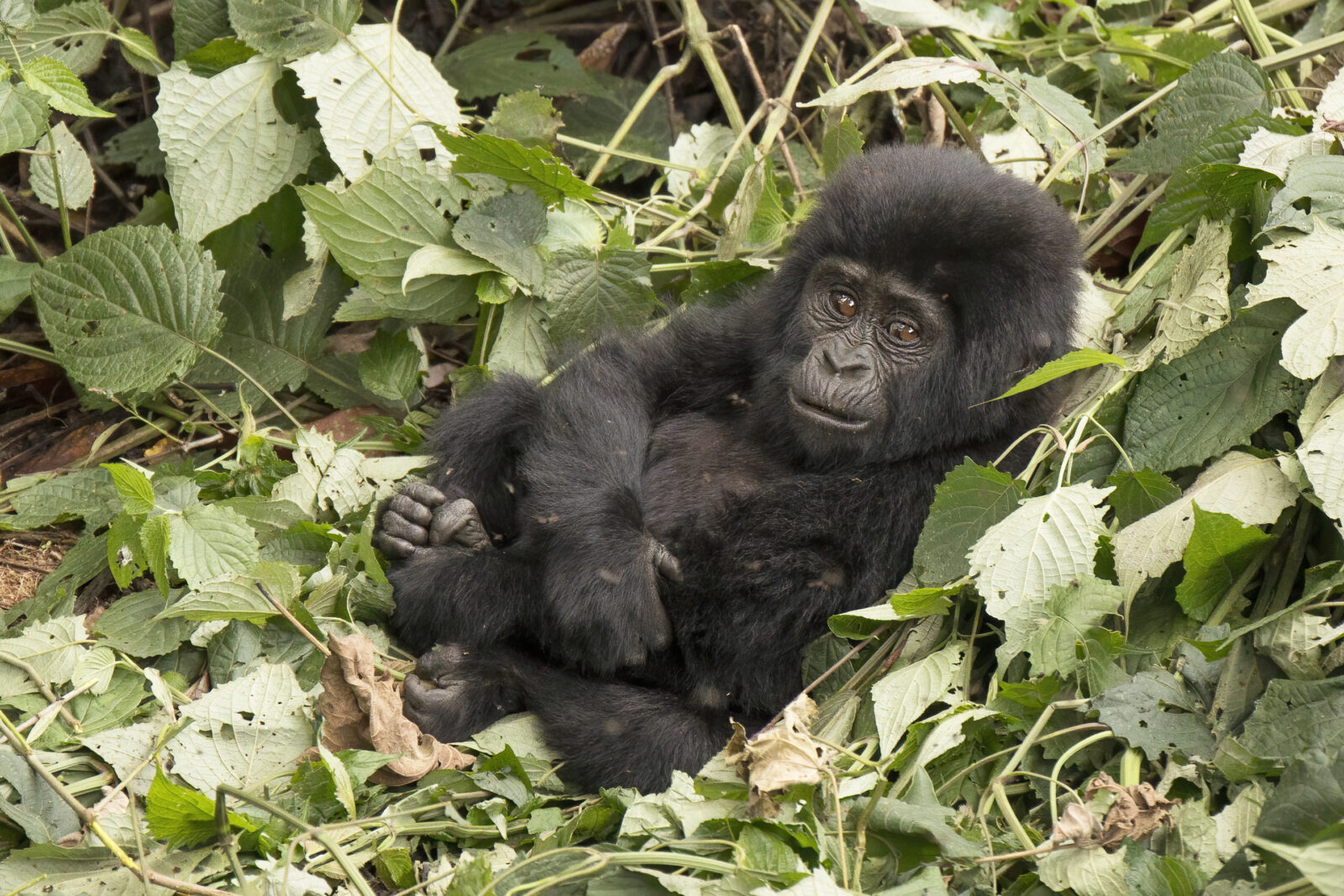
Uganda’s strict, firmly enforced fifteen-year minimum age for gorilla trekking applies without exception, grounded in genuine safety and gorilla welfare considerations rather than an arbitrary restriction, meaning families with children below this threshold need alternative activities planned rather than assuming the whole family can trek together. This reality should genuinely shape the entire itinerary planning process from the very outset, rather than being discovered as an unwelcome surprise partway through the booking process.
Lake Mburo National Park: Uganda’s Most Family-Accessible Park
Lake Mburo National Park stands out as genuinely well-suited to family travel with younger children, its relative lack of dangerous predators compared to Uganda’s larger savannah parks allowing somewhat more flexible activity options, including walking safaris that would carry considerably more risk in predator-dense parks elsewhere in the country. The park’s manageable size and proximity to Kampala also reduce overall travel fatigue, a genuinely important consideration for families carefully managing younger children’s patience and overall comfort during long, extended game drives.
Queen Elizabeth National Park for Families
Queen Elizabeth National Park offers families genuine variety within a single destination, boat safaris along the Kazinga Channel providing close wildlife viewing without requiring children to sit through extended vehicle-based game drives, alongside the more active option of savannah game drives for families with children who enjoy longer wildlife-spotting excursions. This genuine activity variety helps families accommodate different children’s attention spans and individual interests within a single, well-rounded park visit.
Murchison Falls: Dramatic Scenery Alongside Wildlife
Murchison Falls National Park’s dramatic waterfall, where the entire Nile forces through a narrow seven-metre gap, offers genuinely exciting visual spectacle that tends to captivate children in ways that more subtle wildlife viewing sometimes doesn’t, combined with strong general game viewing across the park’s northern savannah. The park’s boat safaris similarly offer an engaging, less physically demanding wildlife viewing option well-suited to younger family members.
Age-Appropriate Activities Beyond Gorilla Trekking
Families should build itineraries around activities genuinely suited to their children’s specific ages, cultural village visits offering interactive, educational engagement, boat safaris providing comfortable, close wildlife viewing without demanding physical exertion, and the Uganda Wildlife Education Centre in Entebbe offering a compact, manageable wildlife viewing option for very young children not yet ready for extended park visits. This activity variety allows families to build engaging days without forcing young children into experiences genuinely beyond their comfort or interest level.
What About Chimpanzee Tracking for Families?
Chimpanzee tracking in Kibale Forest sometimes operates under a different, occasionally lower minimum age than gorilla trekking, though families should confirm current specific requirements directly, since chimpanzee tracking still involves genuine physical demands and behavioural discipline requirements that younger children may not be ready to manage successfully. Families with children close to but below the gorilla trekking age threshold sometimes find chimpanzee tracking offers a worthwhile primate encounter alternative, depending on specific age policies at time of booking.
Accommodation Considerations for Families
Several Uganda lodges specifically welcome families, offering family rooms or interconnected accommodation options, children’s activities, and generally more flexible dining arrangements than properties primarily catering to couples or solo travellers. Researching specifically family-friendly accommodation, rather than assuming any lodge will comfortably accommodate children, helps ensure the accommodation itself supports rather than complicates a family-focused itinerary.
Managing Travel Fatigue With Children
Uganda’s considerable driving distances between parks pose a genuine challenge for family travel with younger children, making it worthwhile to prioritise fewer parks visited more thoroughly rather than attempting an ambitious multi-park itinerary that involves excessive consecutive days of long-distance travel. Building in rest days and choosing accommodation with child-friendly amenities, swimming pools particularly popular with younger travellers, helps manage the cumulative fatigue that ambitious safari itineraries can otherwise produce.
Health Preparation for Family Safari Travel
Family safari planning requires particular attention to health preparation, malaria prevention appropriate for children’s ages and weights, yellow fever vaccination requirements, and general travel health consultations well before departure given how these requirements can differ meaningfully for younger travellers compared to adult trekkers. Consulting a travel health specialist experienced in paediatric travel medicine helps ensure appropriate, safe preparation for the youngest family members specifically.
Splitting the Family for Gorilla Trekking
Many families with a mix of eligible and ineligible-age children choose to split activities, some family members trekking gorillas while others enjoy age-appropriate alternatives, then reuniting to share stories and experiences afterward. This approach allows the family to experience Uganda’s signature gorilla encounter without excluding younger members from the broader trip, provided childcare or alternative supervision is genuinely well-arranged during the trekking portion.
Working With a Family Travel Specialist
Tour operators with genuine experience arranging family safaris bring considerable value beyond general safari planning expertise, understanding which specific lodges, guides, and activity combinations work well for children of different ages based on real accumulated experience with previous family clients. Seeking out operators who can speak specifically and confidently to family travel questions, rather than simply adapting a standard adult itinerary, generally produces a considerably smoother, more genuinely enjoyable and memorable family trip overall for absolutely everyone involved.
Planning a Uganda Safari That Works for Every Generation
A genuinely successful family Uganda safari requires honest planning around actual children’s ages, interests, and physical capabilities, rather than assuming a standard adult-oriented itinerary will translate smoothly to younger travellers. Families ready to plan a trip working for every generation should discuss age-specific needs directly with an experienced tour operator when researching a Uganda gorilla trekking safari incorporating family-friendly elements throughout.
Keeping Children Engaged During Game Drives
Long game drives can genuinely test younger children’s patience, and families benefit from packing simple engagement tools, wildlife spotting checklists, binoculars sized appropriately for smaller hands, and snacks to manage extended periods in a vehicle between sightings. Guides experienced with family groups often naturally adjust their pacing and commentary style to keep younger travellers engaged, making it worthwhile to communicate directly with tour operators about travelling with children when arranging guide assignments.
Cultural Village Visits as a Family Activity
Community cultural village visits, including the Batwa Cultural Trail near Bwindi or various community tourism initiatives elsewhere in Uganda, offer genuinely engaging, interactive experiences well-suited to children, hands-on demonstrations, traditional dance performances, and direct interaction with community members that tend to hold younger travellers’ attention more effectively than passive wildlife observation alone. These cultural experiences also provide valuable educational context, helping children genuinely understand and appreciate the human communities living alongside Uganda’s wildlife and protected areas throughout the country.
Preparing Children Emotionally for the Trip
Beyond logistical preparation, involving children in trip planning itself, showing them pictures of the wildlife they’ll see, explaining what to expect from game drives or cultural visits, and building genuine excitement beforehand, helps set children up for a more engaged, positive experience once the trip actually begins. Children who arrive with some understanding of what to expect generally adapt more smoothly to the practical realities of safari travel than those thrown into an entirely unfamiliar experience without preparation.
Multi-Generational Family Trips
Families spanning three generations, grandparents, parents, and children, face particular planning considerations given the range of physical capabilities and interests involved, and often benefit from choosing accommodation and activity pacing that accommodates the group’s least physically able members while still offering more demanding options for those genuinely capable of them. Building flexibility into the itinerary, allowing some family members to opt out of more demanding activities without disrupting the broader group’s plans, helps multi-generational families travel together successfully without anyone feeling either held back or excluded.
Balancing Wildlife Viewing With Downtime
Families travelling with children generally benefit from a less densely packed itinerary than adult-focused trips might pursue, building in genuine downtime, pool afternoons, relaxed lodge time, rather than scheduling activities continuously from dawn until dusk every single day. This more measured pacing acknowledges children’s genuinely different energy management needs compared to adults, and tends to produce a more enjoyable trip for the whole family rather than an exhausting marathon of consecutive wildlife activities.
Choosing the Right Time of Year for Family Travel
Uganda’s dry season months, offering firmer roads and more comfortable outdoor conditions, generally suit family travel particularly well, reducing the additional complications muddy roads and heavier rain can introduce when travelling with children less equipped to handle challenging weather conditions gracefully. Families with flexibility around school holiday scheduling should prioritise these drier months where genuinely possible, though families constrained to specific school holiday windows can still travel successfully during wetter periods with appropriate preparation, sensible packing, and realistic expectations set in advance.