
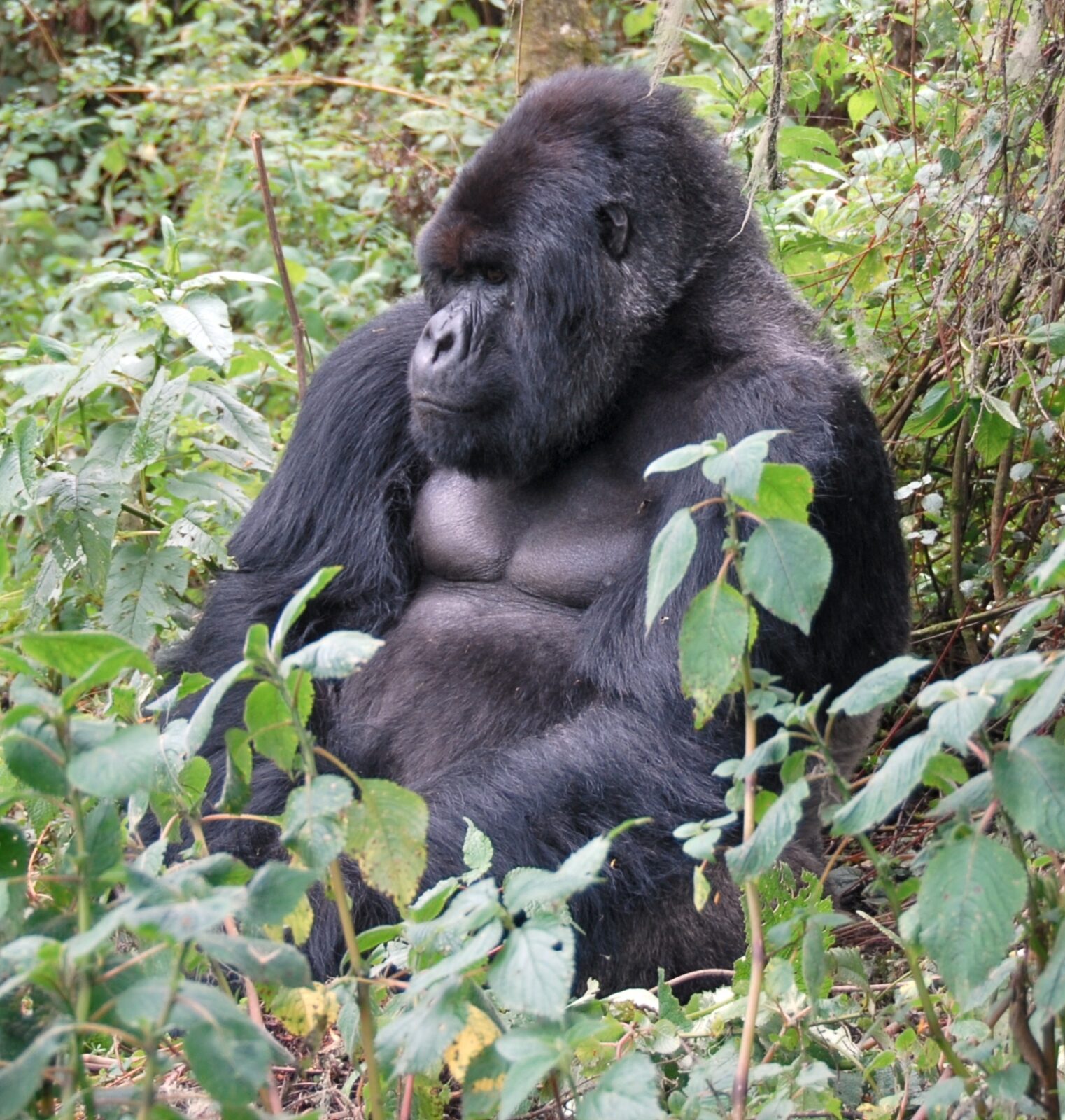
After hours of hiking through genuinely demanding forest terrain, the actual time spent with the gorillas themselves is surprisingly brief, and trekkers researching this specific detail deserve a clear, honest answer about exactly how long this precious viewing window actually lasts. How long do you spend with the gorillas once you find them has a specific, well-established answer worth understanding before your trip.
This guide covers the actual viewing time limit, why this specific duration exists, and how to make the most of this brief but genuinely unforgettable window.
Why This Specific Duration Deserves Real Understanding
Trekkers who understand not just the viewing time limit but the genuine reasoning behind it approach their eventual encounter with more realistic expectations and a clearer sense of how to make the most of this specifically brief, precious window.
The Short Answer: One Hour, Strictly Enforced
Park authorities across Uganda, Rwanda, and Congo genuinely limit viewing time to one hour once your group reaches the gorilla family, a rule enforced consistently and without exception regardless of how far you’ve hiked to reach this point.
Why One Hour Specifically, Rather Than a Longer or Shorter Window
This specific limit reflects genuine research into minimizing stress on the gorilla family from sustained human presence, balancing meaningful visitor access against the family’s actual wellbeing – worth understanding this as a deliberate conservation decision, not an arbitrary restriction.
How This Hour Is Actually Timed and Enforced
Your guide genuinely starts timing from the moment your group reaches viewing distance of the gorilla family, not from when you first spot them at a distance, meaning the full hour is dedicated specifically to close observation time.
Why the Habituation Experience Offers Significantly More Time
Uganda’s gorilla habituation experience, offered specifically at Rushaga, genuinely extends this window to up to four hours with a semi-habituated family, worth considering this alternative if extended observation time matters more to you than standard trekking’s shorter window.
What Actually Happens During Your Hour With the Gorillas
Your hour genuinely involves observing natural gorilla behavior – feeding, resting, interacting, sometimes moving through their territory – while your guide provides context and ensures the group maintains appropriate distance and behavior throughout.
Why Making the Most of a Brief Hour Requires Some Preparation
Given how genuinely brief this window is relative to your overall trek day, having your camera settings pre-configured and knowing what you specifically want to observe or photograph helps you make the most of the time rather than spending precious minutes fumbling with gear.
How Rangers Handle the Transition When Time Is Up
When your hour concludes, rangers genuinely give a clear signal and guide your group’s respectful departure from the gorilla family’s vicinity, worth understanding this transition happens deliberately rather than abruptly interrupting an ongoing moment.
Why This Hour Feels Genuinely Different From Anticipation
Trekkers consistently report that the actual hour feels both remarkably fast and genuinely profound simultaneously, worth mentally preparing for this specific, somewhat paradoxical experience rather than expecting it to feel like a standard hour of clock time.
What Happens if the Family Moves During Your Viewing Hour
If the gorilla family moves during your hour, your group and guide genuinely follow at an appropriate distance, meaning your viewing time continues even as your physical location shifts, worth understanding this as normal rather than a disruption to your allotted time.
Why This Time Limit Applies Consistently Regardless of Trek Difficulty
Even trekkers who’ve hiked considerably longer than average to reach their family still receive the same one-hour viewing window, worth understanding this consistency as fair and non-negotiable regardless of your specific trek’s earlier duration or difficulty.
What Rangers and Guides Say About Making the Most of Your Hour
Guides consistently advise trekkers to balance genuine presence and observation against the instinct to photograph everything, noting that trekkers who occasionally set down their camera to simply watch often report a more meaningful overall experience.
Why Some Trekkers Wish the Hour Genuinely Went Faster or Slower
Trekkers’ reported experience of time during their hour varies genuinely by individual – some describe it passing in what felt like minutes, while others describe a strangely expanded, present-moment awareness that made the hour feel considerably longer than its actual duration, worth knowing this variation is completely normal.
How the Historical Origin of This Specific Time Limit Developed
The one-hour standard developed over decades of gorilla tourism, genuinely informed by ongoing research into primate stress responses and disease transmission risk, worth understanding this as an evolved, evidence-based standard rather than an arbitrary number chosen without genuine scientific basis.
Why Group Behavior During the Hour Genuinely Affects Everyone’s Experience
Maintaining quiet, respectful behavior throughout your hour genuinely benefits the whole group’s collective experience, since loud or disruptive behavior from even one trekker can affect gorilla behavior and diminish the natural, undisturbed viewing conditions everyone in the group hopes for.
What Genuinely Distinguishes This Hour From a Zoo or Sanctuary Visit
Unlike observing animals in captivity, your hour with wild gorillas genuinely involves entirely natural behavior in the family’s actual home territory, worth appreciating this fundamental difference that makes gorilla trekking a genuinely distinct wildlife experience rather than simply an extended zoo visit.
Why Photographers Should Genuinely Plan Their Shot List in Advance
Photography-focused trekkers genuinely benefit from mentally planning key shots they hope to capture before reaching the gorillas – a portrait, a family interaction, a specific behavior – rather than trying to decide what to photograph in the moment, which can waste precious minutes of your limited hour.
Final Thoughts on Your Hour With the Gorillas
The genuinely brief one-hour viewing window, though short relative to your overall trek day, consistently ranks among trekkers’ most meaningful travel experiences – worth approaching with realistic time expectations and a genuine intention to be present rather than purely documenting the moment.
Why the Brevity Itself Genuinely Adds to the Experience’s Meaning
Rather than diminishing the encounter, the hour’s genuine brevity often intensifies trekkers’ sense of presence and appreciation, worth reframing this limit as part of what makes the experience so distinctly memorable rather than viewing it as a frustrating constraint on an otherwise unlimited opportunity.
Frequently Asked Questions
Is the one-hour viewing limit strictly enforced?
Yes, consistently – this rule applies across Uganda, Rwanda, and Congo’s parks without exception, regardless of how far you’ve hiked to reach the family.
When does the hour actually start being timed?
From the moment your group reaches viewing distance of the gorilla family, not from when you first spot them at a distance.
Does the habituation experience offer more viewing time?
Yes, significantly – Uganda’s habituation experience at Rushaga extends observation to up to four hours with a semi-habituated family.
What happens if the gorillas move during my hour?
Your group follows at an appropriate distance, meaning your viewing time continues even as your physical location shifts with the family.
Does a longer, harder trek earn me more viewing time?
No – the same one-hour limit applies consistently regardless of your specific trek’s earlier duration or difficulty reaching the family.
Why is the limit specifically one hour rather than longer?
It reflects genuine research balancing meaningful visitor access against minimizing stress on the gorilla family from sustained human presence.
Should I prepare my camera settings before reaching the gorillas?
Genuinely worth it – pre-configuring settings helps you make the most of this brief window rather than fumbling with gear during precious minutes.
How do rangers signal when the hour is over?
They give a clear signal and guide your group’s respectful departure, ensuring the transition happens deliberately rather than abruptly.
Should I spend the whole hour taking photos?
Guides generally recommend balancing photography with simply being present, noting trekkers who occasionally set down cameras report more meaningful experiences.
Does the hour feel like a standard hour of time?
Trekkers consistently describe it as feeling remarkably fast and genuinely profound simultaneously, worth mentally preparing for this paradoxical experience.
Why is the one-hour limit specifically evidence-based?
It developed over decades of gorilla tourism informed by ongoing research into primate stress responses and disease transmission risk, not an arbitrary number.
Does loud behavior from one trekker affect the whole group’s experience?
Yes, genuinely – disruptive behavior can affect gorilla behavior and diminish the natural, undisturbed viewing conditions everyone hopes for.
Should photographers plan their shots before reaching the gorillas?
Genuinely worth it – mentally planning key shots beforehand avoids wasting precious minutes deciding what to photograph in the moment itself.
Does the hour’s brevity make the experience less meaningful?
Many trekkers say the opposite – the genuine brevity often intensifies presence and appreciation rather than diminishing the encounter’s overall meaning.
Plan the Rest of Your Trip
For the full picture on trek logistics, this gorilla habituation experience guide is worth reading if extended time matters to you, alongside this photography rules guide. For further planning, this guide on the tracking process is a useful next read, and this full cost breakdown helps you budget your trip.