
How Much Does It Cost to See Mountain Gorillas in Africa
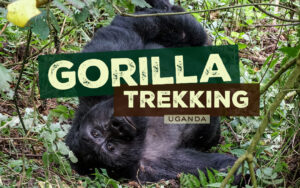
Seeing mountain gorillas in their natural habitat is one of the most powerful wildlife encounters on Earth — an intimate moment shared with one of humanity’s closest relatives. Whether in Uganda, Rwanda, or the Democratic Republic of Congo (DRC), gorilla trekking is a once-in-a-lifetime experience that requires both preparation and investment.
The cost to see mountain gorillas varies depending on the country, season, and level of comfort, but every dollar contributes to conservation and community protection of these critically endangered primates.
Here’s a detailed breakdown of what it costs — and what you can expect — when planning a gorilla trekking safari in East Africa.
1. The Cost of Gorilla Trekking Permits
The most important — and mandatory — expense is the gorilla trekking permit. This permit allows you to enter the gorilla’s natural habitat with trained guides and rangers for one magical hour of observation once the family is found.
As of 2025, the official gorilla permit prices are:
Uganda (Bwindi Impenetrable & Mgahinga Gorilla National Parks)
Foreign Non-Residents: USD 800 per person
Foreign Residents: USD 700 per person
East African Citizens: UGX 300,000 (approx. USD 80)
Uganda offers a balanced experience — relatively affordable permits compared to Rwanda and well-managed trekking in two main destinations: Bwindi Impenetrable Forest and Mgahinga Gorilla National Park.
Uganda also offers the Gorilla Habituation Experience (GHE) in Bwindi’s Rushaga sector, which allows you to spend up to 4 hours with semi-habituated gorillas.
Foreign Non-Residents: USD 1,500 per person
Foreign Residents: USD 1,000 per person
Rwanda (Volcanoes National Park)
Foreign Non-Residents: USD 1,500 per person
Foreign Residents: USD 500 per person
East African Citizens: USD 200 per person
Rwanda offers a more exclusive, luxury-oriented gorilla trekking experience. Volcanoes National Park is only a 2.5-hour drive from Kigali, making it ideal for short, high-end safaris. Its infrastructure, luxury lodges, and accessibility make it a favorite for those seeking comfort and convenience — though at a higher price.
Democratic Republic of Congo (Virunga National Park)
Foreign Visitors: USD 400 per person
African Residents: USD 200 per person
The DRC offers the most affordable permits, but gorilla trekking here is currently limited due to regional instability. When open, Virunga provides one of the most raw and authentic experiences in the mountain gorilla’s natural range.
2. Additional Costs to Consider
While the permit is the biggest expense, a complete gorilla trekking trip involves several other costs depending on your travel style.
a. Accommodation
Lodging near the parks ranges from budget to ultra-luxury.
Budget Lodges: USD 70–120 per night
Mid-Range Lodges: USD 150–300 per night
Luxury Lodges: USD 400–1,200 per night
Popular luxury stays include Bwindi Lodge, Clouds Mountain Gorilla Lodge, Volcanoes Virunga Lodge, and Bisate Lodge.
b. Transportation
Private transfers: USD 100–250 per day (depending on distance and vehicle)
Domestic flights (optional): USD 300–450 one-way from Entebbe to Bwindi (saves 9 hours of driving)
Driver/guide services: Often included in tour packages
c. Tour Packages
Most travelers book through reputable safari operators who combine permits, accommodation, meals, guides, and transfers into one seamless package.
Estimated all-inclusive gorilla trekking safari costs (per person):
Budget Safari (3 Days): USD 1,300–1,700
Mid-Range Safari (3 Days): USD 1,800–2,500
Luxury Safari (3 Days): USD 3,000–5,000
Longer itineraries that combine gorilla trekking with chimpanzee tracking, game safaris, or Nile River tours can range from USD 3,500–8,000, depending on duration and comfort level.
d. Tips & Other Expenses
Rangers/Guides: USD 10–20 per trek
Porters (optional): USD 15–25 per trek — highly recommended to carry bags and support local communities
Souvenirs/Community Visits: USD 20–50 depending on activity
3. Why Gorilla Trekking is Worth the Cost
Every dollar you spend on gorilla trekking helps protect these incredible animals. Roughly 75% of permit revenue goes toward conservation, ranger patrols, and community projects surrounding the parks. This model has been so successful that Uganda and Rwanda’s mountain gorilla populations have grown steadily over the past two decades — one of the world’s greatest conservation success stories.
Beyond conservation, the experience itself is priceless. Imagine standing just meters away from a massive silverback as he calmly feeds, or watching a mother cradle her baby in the misty forest. The silence, emotion, and connection are unlike any other wildlife experience on Earth.
4. How to Choose Where to Trek
| Country | Permit Price (USD) | Accessibility | Experience Style | Recommended For |
|---|---|---|---|---|
| Uganda | 800 | 8–10 hrs drive from Entebbe / 1 hr flight | Balanced adventure & affordability | Most travelers |
| Rwanda | 1,500 | 2.5 hrs drive from Kigali | Luxury, comfort, short stays | High-end travelers |
| DRC | 400 | Variable (via Goma or Kigali) | Raw, adventurous | Experienced explorers |
Uganda strikes the best balance between cost, experience, and conservation impact — with diverse landscapes, safe travel conditions, and the chance to combine gorilla trekking with chimpanzee tracking or wildlife safaris.
5. When is the Best Time to See Mountain Gorillas?
Gorilla trekking is possible all year, but the best times are during the dry seasons:
June to September and December to February
During these months, forest trails are drier and more comfortable to hike. The wet seasons (March–May and October–November) bring lush greenery and fewer tourists, offering photographers and nature lovers quieter treks.
A Priceless Encounter in the Heart of Africa
The cost of seeing mountain gorillas may seem high, but the experience transcends price. It’s a journey deep into Africa’s last great forests — a meeting between species that leaves you forever changed. Every moment in the mist is filled with awe, reverence, and gratitude for these gentle giants who share so much of our DNA.
In the end, gorilla trekking isn’t just about travel — it’s about transformation.