
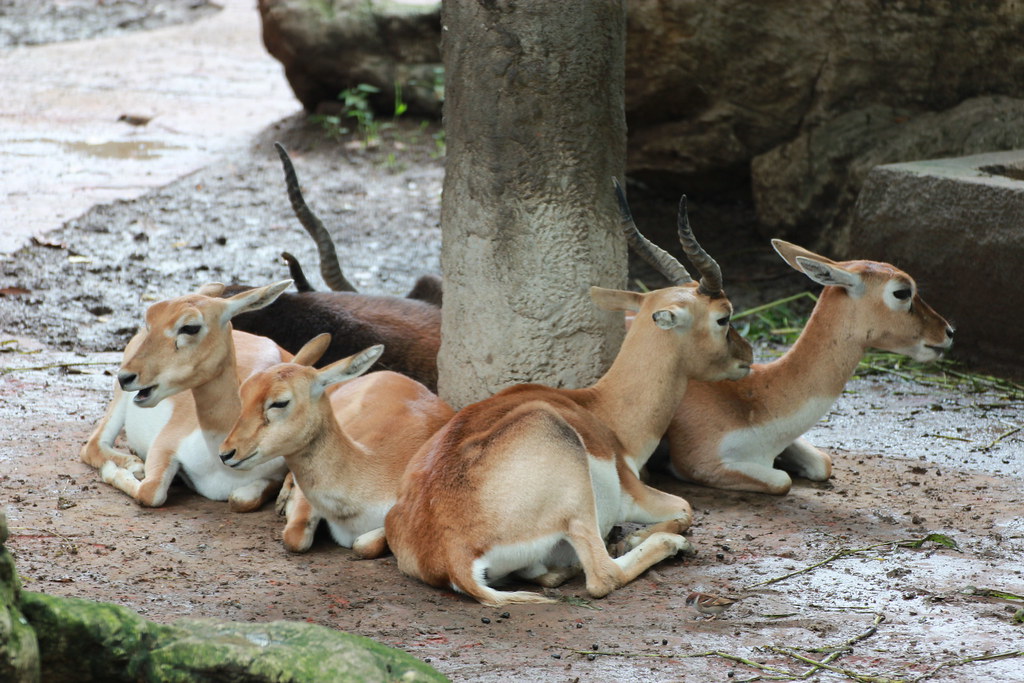
Impala of Lake Mburo: Uganda’s Only National Park With This Graceful Antelope
Uganda’s safari circuit is built around a handful of headline species, tree-climbing lions in Queen Elizabeth, chimpanzees in Kibale, mountain gorillas in Bwindi, but one genuinely elegant and internationally familiar animal is almost entirely absent from the country’s national parks, with a single exception. Lake Mburo National Park is the only national park in Uganda where impala occur in the wild, and that distinction alone makes them one of the more quietly significant reasons to visit.
Why Impala Are So Restricted in Uganda
Impala are one of the most widespread and recognisable antelope species across southern and eastern Africa, appearing in huge numbers in Kenya’s and Tanzania’s savannah parks. Their scarcity in Uganda comes down to habitat and historical range rather than any conservation failure. Impala favour a specific ecotone, the transition zone between open grassland and acacia woodland, and this particular habitat type is far less common in Uganda than in the classic savannah landscapes further south and east. Uganda’s terrain leans more heavily toward dense forest, wetland, and the broader mixed woodland-grassland found in parks like Murchison Falls and Queen Elizabeth, neither of which suits impala the way Lake Mburo’s landscape does.
Beyond Lake Mburo, the species also survives in Katonga Wildlife Reserve, a smaller protected area northeast of Lake Mburo, and has been the subject of a reintroduction effort at Pian Upe Wildlife Reserve in the country’s northeast. Neither of those, however, carries the national park designation, which leaves Lake Mburo as the sole national park in Uganda where visitors can reliably encounter impala in their natural setting.
Recognising an Impala
Impala are a medium-sized antelope, reddish-brown across the back and flanks with a clean white underside, and a distinctive black stripe running down each thigh alongside a black-tipped tail. Males carry a striking set of long, lyre-shaped horns that curve gracefully upward and outward, while females are hornless, a straightforward way to tell the sexes apart at a glance. Their build is lean and athletic, and it shows the moment they move, impala are capable of extraordinary leaps, clearing several metres in a single bound when startled, a trait that makes them one of the more entertaining antelope species to simply watch in open ground.
Social Structure and Behaviour
Lake Mburo’s impala typically live in mixed herds of females and young for much of the year, while territorial males hold and defend specific patches of ground during the breeding season, chasing off rival males and attempting to keep a harem of females within their territory. Outside of the breeding season, bachelor males often form their own loose groups, tolerating each other’s company until the next breeding cycle sparks renewed competition. This shifting social structure means encounters with impala can look quite different depending on the time of year, from calm mixed herds grazing peacefully to males actively sparring or chasing off intruders.
Where and When to See Them
Impala are genuinely common throughout Lake Mburo’s savannah and woodland edges, and sightings are close to guaranteed on any game drive, walking safari, or horseback ride through the park. They tend to favour the transition areas between open grassland and denser acacia cover, using the woodland edge for shelter and the open ground for grazing. Early morning and late afternoon tend to bring the most active behaviour, particularly during the breeding season when territorial males are at their most visible, patrolling boundaries and occasionally locking horns with a rival in a brief, dramatic clash.
A Reliable Presence Across Every Activity
What makes Lake Mburo’s impala population particularly rewarding for visitors is how consistently they turn up across every kind of activity the park offers. A walking safari brings you close enough to appreciate the fine detail of their markings in a way a vehicle rarely allows. A horseback ride tends to draw remarkably little reaction from grazing impala, who treat horses as just another passing shape in the landscape. Even the boat safari occasionally offers glimpses of impala coming down to the water’s edge to drink, adding one more setting in which this otherwise scarce Ugandan species can be observed.
Why This Matters Beyond a Simple Checklist Sighting
For travellers who have already spent time in Kenya or Tanzania, impala might seem like an unremarkable, everyday sighting, hardly worth dedicating attention to. In a Ugandan context, though, the calculation is different. This is a species visitors will not encounter in Murchison Falls, will not encounter in Queen Elizabeth, and will not encounter anywhere else on a typical Uganda itinerary outside of Lake Mburo itself. That scarcity is precisely what makes their abundance here worth noting rather than overlooking, a reminder that Lake Mburo’s ecological character is genuinely distinct from the rest of the country’s protected areas, not simply a smaller, quieter version of Uganda’s bigger savannah parks.
Impala Alongside Lake Mburo’s Other Wildlife
Impala share their habitat with the park’s larger, better-known residents, zebra grazing the same open ground, eland moving through in small, wary groups, and the reintroduced giraffe browsing the acacia canopy above. This layered mix of species across a relatively compact park is part of what makes Lake Mburo feel so productive for its size, and impala, despite being the least famous name on that list, are often the animal visitors end up photographing most simply because they are so consistently present and so visually striking against the dry-season grass.
Anyone building a Uganda itinerary that includes a stop at Lake Mburo on the route toward gorilla trekking in the southwest should factor in enough time to actually notice the impala rather than treating them as background scenery. A short stay at Lake Mburo built around a game drive or walking safari gives ample opportunity to watch this uniquely Ugandan population up close, in a setting they occupy nowhere else in the country’s national park system.
The Name Behind the Name
There is a small piece of trivia that tends to surprise visitors once they learn it: Impala, the Chevrolet model, and by extension a fair chunk of automotive branding history, was named directly after this antelope, chosen specifically to evoke speed, grace, and athletic power. Standing at the edge of Lake Mburo’s grassland watching a herd break into a run, scattering in a burst of synchronised leaps the moment something startles them, it is easy to see exactly why a car manufacturer reached for this particular animal as a namesake. Few antelope species combine raw speed with that same explosive vertical leap, and impala are capable of clearing obstacles well over two metres high without a running start, a genuinely startling thing to witness up close for the first time.
Predators and the Impala’s Place in the Food Chain
Even without lions, Lake Mburo is not free of predators entirely, and impala remain a watchful species regardless. Leopards move through the park’s woodland edges, largely under cover of darkness, and represent the primary predation risk impala face here, alongside the occasional opportunistic threat from hyenas. This underlying pressure is part of why impala herds maintain such constant vigilance even in a landscape without lions, one or more animals in any grazing group typically has its head up scanning the surroundings at any given moment, a rotating watch system that helps explain why they are so quick to react and flee at the first sign of anything unusual.
This same wariness, paradoxically, tends to make impala easier to photograph well than more relaxed species. Their alertness produces a naturally alert, poised posture, ears forward, head raised, weight balanced for an immediate sprint, that photographers often find far more dynamic and engaging than the more static poses of an animal completely at ease.
Seasonal Patterns Worth Knowing
Breeding season timing shifts the visible behaviour of Lake Mburo’s impala population noticeably throughout the year. During the peak of the rut, dominant males become considerably more vocal, producing a distinctive roaring, grunting call that carries surprisingly far across open ground and can catch first-time visitors off guard given how different it sounds from the antelope’s otherwise elegant appearance. Territorial disputes intensify during this period, with males chasing rivals off contested ground and occasionally engaging in brief but intense horn-locked confrontations. Outside the rut, herds settle into a calmer, more cohesive rhythm, grazing together with far less internal conflict, which some visitors find the more peaceful and enjoyable period to observe, even if it lacks the drama of the breeding season’s territorial contests.
Guides at Lake Mburo generally know roughly where the dominant territorial males are holding ground during the breeding months and can steer a game drive or walking safari toward that activity for visitors specifically hoping to witness it, while those simply after a relaxed, low-drama wildlife encounter will find the calmer non-breeding months just as rewarding in their own quieter way. Either way, a good guide adds considerable value here, turning what could be a passing glance at “just another antelope” into a genuinely informed encounter with one of Uganda’s more ecologically distinctive residents.