
Walking Safari in Lake Mburo: Uganda’s Best Bush Walk Destination
There is a particular kind of attention that comes from walking through wild country on your own two feet, rather than watching it pass by through a vehicle window. Every sound carries differently, every scent registers, and the scale of the animals around you becomes something you feel rather than simply observe. Lake Mburo National Park is one of the very few places in Uganda where visitors can experience this directly, on foot, inside a national park boundary rather than on its periphery, and it has built a reputation as the country’s most rewarding destination for exactly this kind of activity.
Why Lake Mburo Allows What Other Parks Don’t
Walking safaris inside protected areas are the exception rather than the rule across East Africa, and the reason comes down to risk. Lions and walking visitors are a dangerous combination, and most of Uganda’s national parks understandably restrict foot access to designated buffer zones or forest trails outside the core wildlife area. Lake Mburo’s absence of lions changes that calculation. Without the primary predator threat, the park has been able to open substantial sections of its savannah and woodland to guided walking safaris in a way that Queen Elizabeth or Murchison Falls simply cannot.
That does not mean walking here is without any precaution. Buffalo remain present and are unpredictable enough on foot to warrant genuine caution, which is why every walking safari at Lake Mburo is accompanied by both a trained park guide and an armed ranger. The ranger’s firearm is a strictly last-resort precaution, typically used only to fire a warning shot into the air if an animal becomes too curious or agitated, and guides are skilled at reading animal behaviour and adjusting the route well before that ever becomes necessary.
What a Walking Safari Actually Covers
Guided walks at Lake Mburo typically depart from Rwonyo, the park’s main visitor centre, and follow a combination of trails through open grassland, acacia woodland, and, for those who choose it, the denser Rubanga Forest on the park’s western shore. The pace is unhurried by design, allowing guides to stop frequently, point out tracks and signs that would be invisible from a vehicle, and explain the smaller details of the ecosystem that game drives tend to rush past.
Wildlife You’re Likely to Encounter
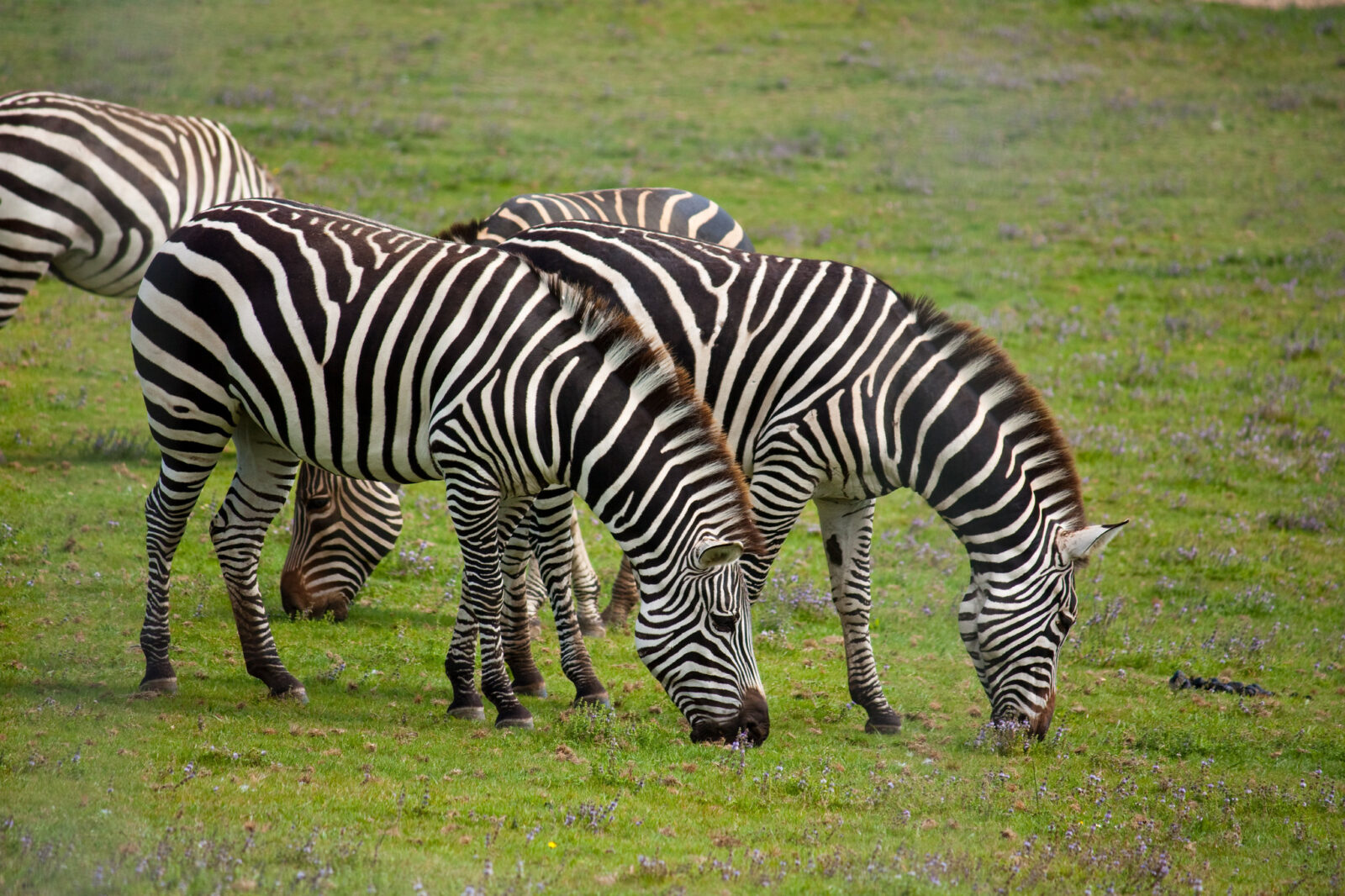
Zebra and impala are the animals most walking groups encounter, often at a closer range than a vehicle would typically allow, since a small group of people on foot moving slowly and quietly tends to draw less alarm than the sound of an approaching engine. Warthogs are a near-constant presence, trotting off with tails raised the moment they notice movement, and giraffe, reintroduced to the park in recent years, are occasionally spotted browsing the acacia canopy along the walk’s route. Buffalo are usually kept at a wide, deliberate distance by guides rather than approached, given their unpredictable temperament, but sightings from a safe range are common.
Rubanga Forest: A Different Ecosystem Entirely
While most of Lake Mburo is open savannah, the Rubanga Forest on the park’s western edge is a pocket of closed-canopy woodland that feels like an entirely different park. Walks here are usually arranged in advance through the Uganda Wildlife Authority and focus heavily on birding and plant life rather than large mammals, given the denser vegetation. Acacia, fig trees, markhamia, and palm are among the tree species that stand out along the forest trails, and the birding here is genuinely excellent, with species such as the double-toothed barbet, the narina trogon, and the green pigeon among the highlights for visitors who come specifically for the forest’s birdlife. Over forty bird species have been recorded on Rubanga Forest walks, an impressive tally for a habitat this size.
Salt Lick and Rwonyo Trails
Beyond Rubanga Forest, shorter walking routes lead to a natural salt lick that draws various grazing animals throughout the day, as well as trails looping back toward Rwonyo itself that pass through some of the park’s most reliable zebra and impala territory. These shorter routes are well suited to visitors with limited time or those combining a walk with other activities on the same day, since they typically run an hour to ninety minutes rather than the half-day commitment a full Rubanga Forest excursion requires.
What to Bring and What to Expect
Sturdy, closed footwear is essential given the terrain, along with long trousers to guard against thorny acacia scrub and the occasional biting insect. Sun protection matters on the open savannah sections, where shade is limited, while the forest sections stay noticeably cooler and shadier throughout. Guides set a pace that suits the group, and walks are generally accessible to anyone with reasonable fitness, without requiring any specialised hiking experience. Cameras and binoculars are both worth carrying, since the slower pace of a walking safari tends to produce more considered, better-composed wildlife photographs than the quick window of a passing vehicle usually allows.
Best Time of Day
Early morning walks tend to be the most comfortable and the most productive for wildlife sightings, with cooler temperatures and animals typically more active before the heat of the day sets in. Late afternoon walks offer similar advantages as temperatures drop again and the light turns golden, a favourite window for photographers. Midday walks are less commonly offered, partly due to heat and partly because wildlife activity drops off noticeably during the hottest hours.
Pairing a Walk With the Rest of Lake Mburo
A walking safari fits naturally alongside Lake Mburo’s other signature activities, and most visitors treat it as one component of a broader stay rather than the sole reason for coming. A morning walk followed by an afternoon boat safari on the lake, or a walk paired with a game drive the following day, gives a genuinely well-rounded sense of the park across its different habitats and vantage points, land, water, and forest alike, within a stay of just two or three days.
For travellers combining Lake Mburo with gorilla trekking further southwest, the park’s position along the main Kampala-to-Bwindi route makes a short stopover built around a walking safari an easy and rewarding addition to a longer Uganda itinerary, offering an experience that few other stops along that route can match.
How a Walking Safari Changes the Way You Notice Things
One of the quieter benefits of walking through Lake Mburo rather than driving through it is how much more you notice along the way. A vehicle carries its own noise, and even the most careful driver covers ground faster than a walker can, which means smaller details, tracks pressed into soft ground, a chameleon working its way along a branch, the particular smell of acacia after a light rain, tend to pass unnoticed from behind glass. Guides who lead these walks daily have an eye for exactly this kind of detail and will often stop the group for something that would never register from a vehicle at all, a termite mound engineered a particular way, a dung beetle rolling its find across the path, or the alarm call of a bird signalling a predator’s presence somewhere out of sight.
This slower rhythm also changes the emotional texture of the experience. Vehicles create a sense of separation, a windshield between visitor and landscape that, however unintentional, keeps the bush at arm’s length. Walking removes that barrier entirely, and most visitors who try it describe the shift as immediate, a sense of being inside the landscape rather than passing through it.
Group Sizes and Booking
Walking safaris are typically run in small groups, both for safety reasons and because a smaller group moves more quietly and disturbs less wildlife along the way. Rubanga Forest walks in particular benefit from smaller numbers, since the dense vegetation means a large group is more likely to scatter birds and smaller animals before they can be properly observed. It is generally advisable to arrange walking safaris, and especially the Rubanga Forest route, a day or so in advance through the park authority or through the lodge or operator handling the wider stay, since ranger availability can be limited during busier periods of the year.
Costs are typically modest compared to activities like gorilla trekking elsewhere in Uganda, reflecting the shorter duration and lower logistical overhead of a guided walk versus a full day permit-based activity, making it an accessible addition even for travellers working with a tighter budget for the Lake Mburo leg of their trip.
A Rare Kind of Access
Across Uganda’s national parks, the ability to walk freely, under guidance, through open savannah among zebra, impala, and the occasional giraffe is genuinely uncommon, and it is worth recognising Lake Mburo for what it offers rather than treating it as a minor add-on to the bigger, more famous parks elsewhere in the country. For many travellers who have already done game drives in Queen Elizabeth or Murchison Falls, a walking safari here ends up standing out precisely because it offers something those larger, lion-populated parks structurally cannot.