
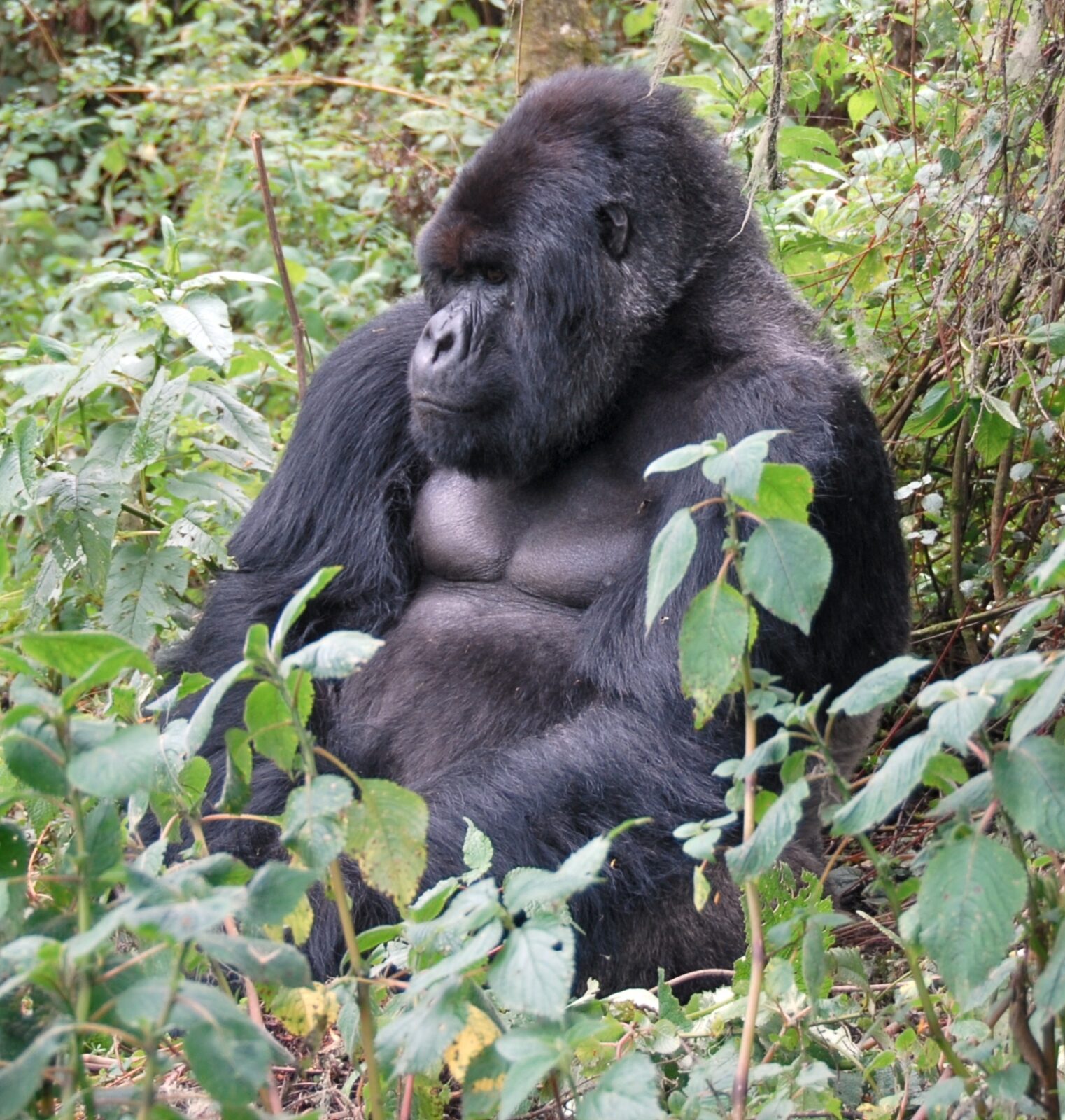
Sharing a genuinely demanding wilderness activity as a couple raises practical questions distinct from solo or family trekking, particularly around how to prepare together and what the shared experience actually involves. Is gorilla trekking safe for couples deserves a clear answer covering both general safety and the genuine logistics of trekking together as a pair.
This guide covers what couples should genuinely know about trekking together, how differing fitness levels within a couple get managed, and how to plan a genuinely smooth shared experience together.
Why This Question Comes Up So Often for Couples
Beyond general safety curiosity, couples specifically want to know how a demanding shared activity affects their trip together as a pair, rather than treating this simply as an individual safety question answered the same way regardless of who you’re travelling with.
The Short Answer: Yes, and It’s a Genuinely Very Popular Way to Trek
Gorilla trekking is safe for couples in exactly the same structured way it is for any trekker, and couples trekking together represent one of the most common group compositions on any given day, meaning the whole system is well accustomed to accommodating pairs comfortably.
Why Couples Trekking Together Is So Common
Beyond honeymooners specifically, couples of every relationship stage regularly choose gorilla trekking together, drawn by the shared physical challenge and the genuinely memorable payoff — a combination that resonates particularly well with couples seeking meaningful shared experiences over more passive travel.
Deciding Who Books and Coordinates the Trip
Some couples designate one partner to lead the actual booking and logistics coordination while both remain involved in the bigger decisions, worth agreeing on explicitly rather than assuming responsibilities will simply sort themselves out during a genuinely busy planning process.
What Happens When Couples Have Different Fitness Levels
Trekking groups move at the pace the group as a whole can manage, guided by rangers experienced at handling mixed-ability groups, meaning a couple with genuinely different fitness levels won’t be forced apart — the group simply moves at a pace accommodating everyone, including your partner.
Handling Disagreements About Trip Priorities Constructively
Genuine disagreements about pace, budget, or itinerary priorities are normal in any shared trip planning process, and addressing them directly and early, rather than letting resentment build silently, generally produces a better shared experience than either partner simply deferring entirely to the other.
Marking an Anniversary or Special Occasion Together
Beyond honeymoons specifically, many couples choose gorilla trekking to mark a significant anniversary or milestone, worth mentioning to your operator in advance since some can help arrange small acknowledgments of the occasion alongside the standard trekking logistics.
Choosing a Sector Together Based on Shared Priorities
Couples benefit from honestly discussing their shared priorities — scenery, terrain difficulty, cost — before choosing a sector, since a sector well suited to one partner’s preferences but not the other’s can create genuine friction worth avoiding through upfront conversation.
What Local Guides Observe About Couples Trekking Together
Guides who regularly lead couples note that the shared encouragement partners naturally provide each other, particularly during the trek’s more physically demanding stretches, often makes a genuine, visible difference to how the day unfolds compared to trekkers navigating the same terrain entirely alone.
Accommodation Considerations for Couples
Lodges near trekking areas commonly offer accommodation genuinely well suited to couples, from simple double rooms to romantic private cottages at the higher end, worth researching specifically if the accommodation experience matters as much to your trip as the trek itself.
Making the Habituation Experience a Couple’s Splurge
Some couples specifically choose the longer, more exclusive gorilla habituation experience together as a deliberate splurge, valuing the extended shared time with a family over the standard hour, worth discussing as a genuine option if budget allows and both partners are drawn to a more immersive encounter.
Physical Preparation as a Shared Activity
Training together in the weeks before your trip — regular walks or hikes as a couple — genuinely helps build shared fitness while also setting realistic mutual expectations about each other’s pace and stamina before the actual demanding trek day arrives.
Budgeting Together for a Shared Trip
Couples benefit from openly discussing budget priorities before booking, since the fixed permit cost multiplied by two people represents a genuinely significant shared expense worth planning for deliberately rather than assuming it will simply work out between two individual budgets.
Supporting Each Other During the Trek Itself
Beyond the ranger and tracking team’s professional support, couples trekking together genuinely benefit from the built-in encouragement and shared motivation a partner provides during the trek’s more physically demanding stretches, a real psychological advantage over trekking entirely alone.
What a Shared Trek Day Actually Involves for Couples
A couple’s trek day follows the same standard structure as any other trekker’s — briefing, guided walk, one-hour viewing window — with the genuine added dimension of experiencing this significant moment together, something many couples specifically cite as a highlight of trekking as a pair rather than separately.
Managing Different Priorities Around Photography and Pace
Couples sometimes have genuinely different priorities during the encounter itself — one partner more focused on photography, another on simply absorbing the moment — worth discussing beforehand so neither partner feels their preferred way of experiencing the encounter is being sidelined.
Combining Gorilla Trekking With a Broader Couple’s Itinerary
Many couples pair their gorilla trek with a broader romantic or adventure-focused itinerary — a safari extension, cultural experiences, or simply relaxed lodge time — worth planning deliberately around the fixed permit date at the centre of your trip.
Final Thoughts for Couples Considering This Trip
Gorilla trekking rewards couples who plan honestly around each other’s genuine fitness levels and priorities, treating the shared experience as an opportunity for mutual support rather than assuming compatibility will simply work itself out on trek day without any real conversation beforehand.
Frequently Asked Questions
Will my partner and I be split into different groups if our fitness differs?
No — groups move at a pace accommodating the whole group, so couples with different fitness levels trek together rather than being separated.
Should we choose our sector based on one partner’s preferences over the other’s?
Worth avoiding — an honest conversation about shared priorities before booking helps you choose a sector that genuinely works for both of you and your entire trip.
Is training together before the trip worth doing as a couple?
Yes, genuinely — it builds shared fitness and sets realistic mutual expectations about pace and stamina before the actual trek day arrives.
Are romantic accommodation options available near trekking areas?
Yes, at many lodges, ranging from simple double rooms to private cottages at the higher end, worth researching if accommodation matters as much as the trek itself.
What if my partner and I have different priorities during the encounter itself?
Worth discussing beforehand — one partner might prioritise photography while the other simply wants to absorb the moment, and talking this through avoids either feeling sidelined.
Does trekking together as a couple add anything beyond the standard experience?
Many couples specifically cite sharing this significant moment together as a genuine highlight, something distinct from experiencing it solo or separately.
How should couples approach budgeting for this trip together?
Openly discussing priorities before booking matters, since the fixed permit cost multiplied by two represents a genuinely significant shared expense worth planning deliberately.
Why do so many couples choose gorilla trekking specifically together?
The shared physical challenge and genuinely memorable payoff resonate well with couples seeking meaningful shared experiences over more passive travel options.
How should couples handle genuine disagreements about trip priorities?
Addressing them directly and early, rather than letting resentment build silently, generally produces a better shared experience than one partner simply deferring entirely.
Do guides notice a genuine difference when couples trek together?
Many report that the natural encouragement partners provide each other, especially during demanding stretches, visibly helps compared to trekkers navigating the terrain entirely alone.
Is the habituation experience a good option for couples specifically?
Genuinely worth considering as a splurge if budget allows — the extended shared time with a family appeals to couples wanting a more immersive encounter together.
Why do couples ask this question differently than solo travellers do?
Couples specifically want to know how a demanding shared activity affects their trip as a pair, not simply an individual safety question answered the same regardless of company.
Should one partner lead the booking process, or should both be equally involved?
Worth agreeing explicitly — some couples designate one partner for logistics while both stay involved in bigger decisions, rather than leaving it genuinely unclear from the start.
Plan the Rest of Your Trip
For the full cost picture, this full cost breakdown is worth reading, alongside this Buhoma permit cost guide if a gentler shared sector appeals to you both. For broader planning, this step-by-step Uganda permit booking guide is a useful next read, and this guide on how many days a Uganda trip needs helps you plan a fuller shared itinerary.