
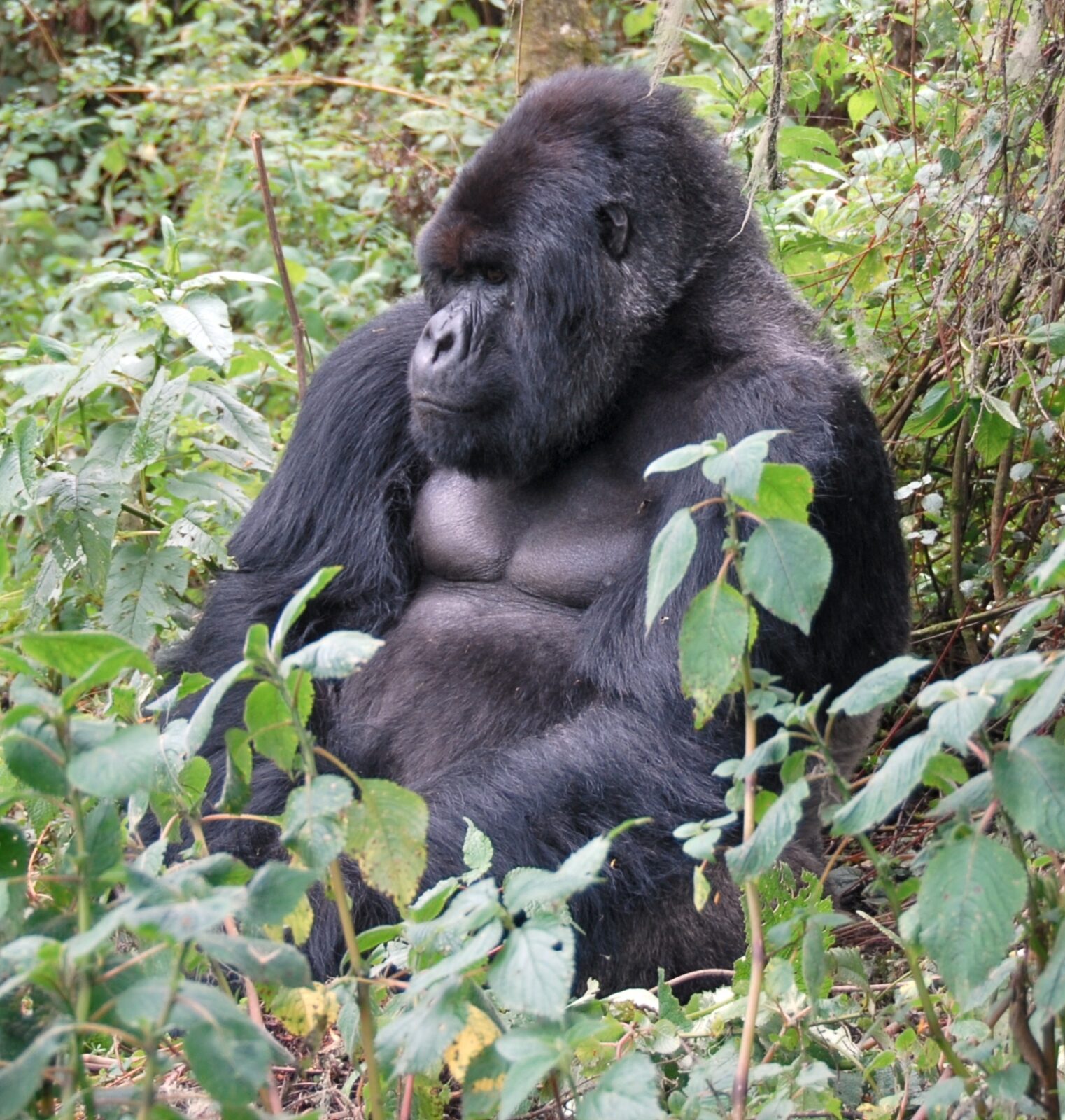
Gorilla trekking’s reputation as a physically demanding, remote wilderness activity naturally raises genuine questions for parents weighing whether it’s a realistic fit for a family trip. Is gorilla trekking safe for families deserves a clear, honest answer that accounts for the real logistics and rules involved, not a blanket yes or no.
This guide covers what family-specific safety actually looks like, the rules that shape who in your family can participate, and how to plan a trip that works for everyone.
The Short Answer: Yes, With Real Planning
Gorilla trekking is a genuinely safe activity for families when approached with realistic expectations and proper preparation. The structured system of licensed rangers, armed escorts, and strict encounter protocols that governs every trek applies identically whether your group is a family or any other type of visitor, and decades of trekking history support this as a safe, well-managed activity.
The Age Rule That Shapes Every Family Trip
Gorilla trekking has a minimum age requirement, generally 15 across Uganda, Rwanda, and Congo, which means families with younger children need to plan around this rule directly rather than assuming the whole family can trek together. This is the single most important safety and logistics consideration for any family specifically, and it’s worth confirming the exact current age policy with your chosen park authority before booking.
What Happens to Younger Children While Parents Trek
Planning this piece early gives everyone in the family peace of mind well before travel day arrives.
Most lodges and operators offer childcare or supervised activities for children below the trekking age while other family members are on their trek, and some destinations offer alternative activities like nature walks or cultural visits scaled appropriately for younger visitors. Planning this logistics piece in advance, rather than assuming it will sort itself out on arrival, makes for a much smoother family trip.
How Family Groups Interact With Group Size Limits
Given the standard eight-person cap per trekking group, larger extended families should plan for the possibility of being split across two groups or two dates if numbers exceed this limit, worth discussing with your operator well in advance rather than assuming one large family booking will automatically stay together.
Physical Demands Worth Considering for Family Groups
The trek itself is genuinely physically demanding, involving several hours of hiking on uneven, sometimes steep and muddy terrain, so honestly assessing each family member’s fitness level before committing matters more for families than for a single fit adult traveller. Choosing a gentler sector like Buhoma, and hiring a porter for family members who might benefit from extra support, are both worth considering specifically for family trips.
How Rangers Adapt to Family Groups
Experienced ranger guides regularly lead family groups and adjust pacing accordingly, understanding that a family trek may need a somewhat different rhythm than a group of experienced solo trekkers. This adaptability is part of the standard trekking experience, not a special accommodation you need to specifically request, though communicating your family’s needs upfront helps rangers plan accordingly.
Vaccination and Health Planning for the Whole Family
Different family members may have different vaccination histories, allergies, or health considerations, making a family-wide review with a travel health specialist genuinely more valuable than assuming standard adult guidance covers everyone. This is particularly worth doing early, since some vaccinations require weeks to become fully effective before travel.
What a Realistic Family Trek Day Actually Involves
A family trek day follows the same structure as any other — an early briefing, a guided trek toward the assigned family’s location, and the standard one-hour viewing window — but families should budget realistic extra time for pacing, rest breaks, and the natural variability of trekking together as a group with different fitness levels.
Health Considerations Specific to Family Travel
Consulting a travel health specialist well before your trip, specifically about any family members’ individual health needs, vaccination requirements, and altitude considerations, is worth doing as a family unit rather than assuming standard adult travel health advice applies uniformly to every family member.
Choosing the Right Sector for a Family Trip
Gentler sectors like Buhoma in Bwindi, known for more moderate terrain, are often specifically recommended for family groups over steeper alternatives like Nkuringo, worth discussing directly with your operator when planning a family-specific itinerary.
Preparing Teenagers Specifically for Their First Trek
For families with teenagers old enough to meet the minimum age requirement, involving them directly in preparation — discussing what to expect, building some fitness together, choosing gear as a family activity — genuinely helps set them up for a positive first experience rather than treating the trek as something planned entirely by the adults.
What Makes Gorilla Trekking Genuinely Different From Other Family Adventure Activities
Unlike many adventure activities marketed at families, gorilla trekking’s outcome — reaching a specific habituated family safely — is managed almost entirely by experienced professionals rather than depending on family members’ own decision-making in the moment, which is part of why it’s structurally safer than it might initially sound to parents unfamiliar with how the system works.
What to Pack Specifically for a Family Trek
Beyond standard trekking gear, families should pack extras genuinely worth the additional weight — sufficient water and snacks for the whole group, basic first aid supplies suited to different ages, and weather protection sized appropriately for every family member, rather than assuming one adult-sized kit covers everyone’s needs.
Building Buffer and Flexibility Into a Family Itinerary
Families benefit from building in more buffer time and flexibility than a solo or couple’s itinerary might need, since coordinating multiple people’s needs, energy levels, and occasional unexpected moments genuinely takes longer than travelling independently.
Final Thoughts for Families Considering This Trip
Gorilla trekking can be a genuinely unforgettable shared family experience when approached with realistic planning around the age rule, fitness levels, and logistics covered here, rather than either dismissing it as too risky for a family or underestimating the genuine preparation it calls for from every member.
Frequently Asked Questions
Can my whole family trek together regardless of age?
No — the minimum age requirement, generally 15, means younger children cannot participate in the actual gorilla trek itself, though alternative activities are usually available for them.
Is Buhoma really the best sector for families specifically?
It’s often recommended given its generally gentler terrain, though the right choice depends on your specific family’s fitness levels and preferences — worth discussing directly with your operator before booking.
Should we hire a porter for family members who might need extra support?
Worth considering, yes — porters provide genuine physical assistance and support, particularly valuable for family members less accustomed to demanding trekking terrain and conditions.
What do younger children do while the rest of the family treks?
Most lodges and operators offer supervised childcare or age-appropriate alternative activities, worth confirming and arranging specifically as part of your booking well in advance.
How should we prepare a teenager for their first trek?
Involving them directly in preparation — discussing expectations, building fitness together, choosing gear — genuinely helps, rather than planning the entire experience entirely on their behalf without input.
Is gorilla trekking riskier than other family adventure activities?
Generally no — the outcome is managed almost entirely by experienced professionals rather than depending on family members’ own in-the-moment decisions, which is structurally safer than it might initially sound to parents weighing the decision.
Should every family member see a travel health specialist before the trip?
Worth doing as a family unit specifically, since vaccination histories and health considerations genuinely vary between different family members rather than following one uniform adult guideline throughout.
Should we budget extra time for a family trek day compared to other groups?
Yes, generally — pacing, rest breaks, and natural variability across different fitness levels within a family mean building in realistic extra time is genuinely worth doing throughout the day.
Will our large extended family stay together as one trekking group?
Not necessarily — the standard eight-person cap per group means larger families may be split across two groups or dates, worth discussing directly with your operator well in advance of booking.
What should we pack differently for a family trek?
Extra water and snacks for the whole group, age-appropriate first aid supplies, and weather protection sized for every family member, rather than a single adult-sized kit for everyone.
Is there a minimum group size discount for larger families booking together?
Not on the permit price itself, which is fixed per person, though some operators offer modest discounts on their own service fees for larger family bookings — worth asking directly when planning.
Plan the Rest of Your Trip
For the full cost picture for a family trip, this full cost breakdown is worth reading, alongside this Buhoma permit cost guide if that sector’s gentler terrain appeals to your family. For broader planning, this guide on how many days a Uganda trip needs is a useful next read, and this step-by-step Uganda permit booking guide covers the reservation process in depth.