
Lions of Murchison Falls: Population, Behaviour & Viewing Tips
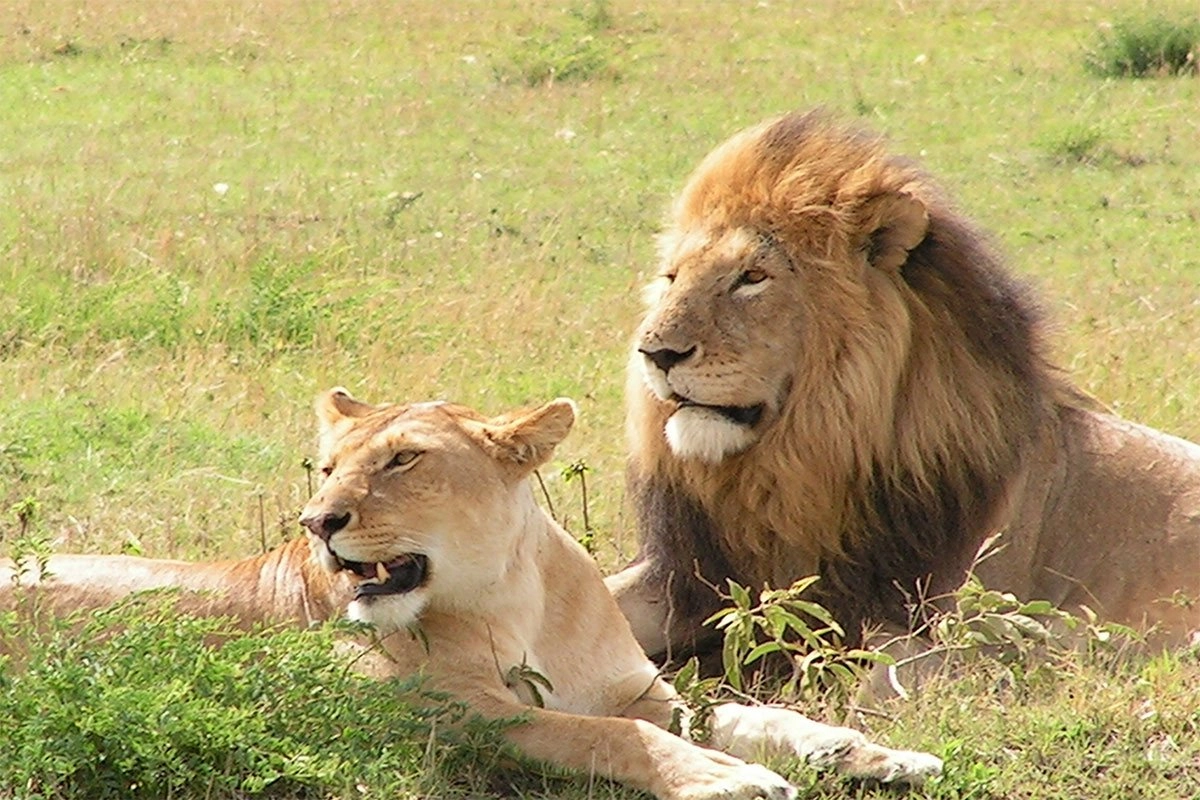
The lions of Murchison Falls National Park are among the most compelling predators in East Africa. While they may not be as famous as the tree-climbing lions of Ishasha, they represent one of Uganda’s most stable and naturally behaving lion populations.
Spread across vast savannah plains north of the Nile River, these lions live in a landscape defined by open grasslands, Borassus palms, and abundant prey. This environment supports a healthy predator-prey dynamic, making Murchison one of the best places in Uganda to observe lions in the wild.
Understanding their population, behavior, and how to find them will significantly improve your safari experience.
Lion Population in Murchison Falls
Murchison Falls National Park holds one of Uganda’s largest lion populations, with estimates generally ranging between 120 and 150 individuals. These lions are distributed across the northern sector of the park, where prey density is highest.
The population is considered stable, supported by strong conservation efforts and a well-protected ecosystem. Anti-poaching measures, ranger patrols, and tourism management have all contributed to maintaining these numbers.
Unlike smaller or fragmented populations, Murchison’s lions benefit from space. The park’s size allows prides to establish territories without excessive competition, which influences both their behavior and movement patterns.
Habitat: Where Lions Thrive in the Park
The most reliable area for lion sightings is the northern bank of the Nile River, particularly around the Paraa and Pakuba regions.
This landscape is dominated by open savannah, scattered trees, and seasonal water sources. It is ideal hunting ground, offering both visibility and access to prey species such as Uganda kob, hartebeest, and buffalo.
The presence of Borassus palm trees creates shaded resting spots, where lions are often found during the heat of the day.
This combination of open terrain and prey availability makes the northern sector the core of lion activity in Murchison Falls National Park.
Social Structure and Pride Dynamics
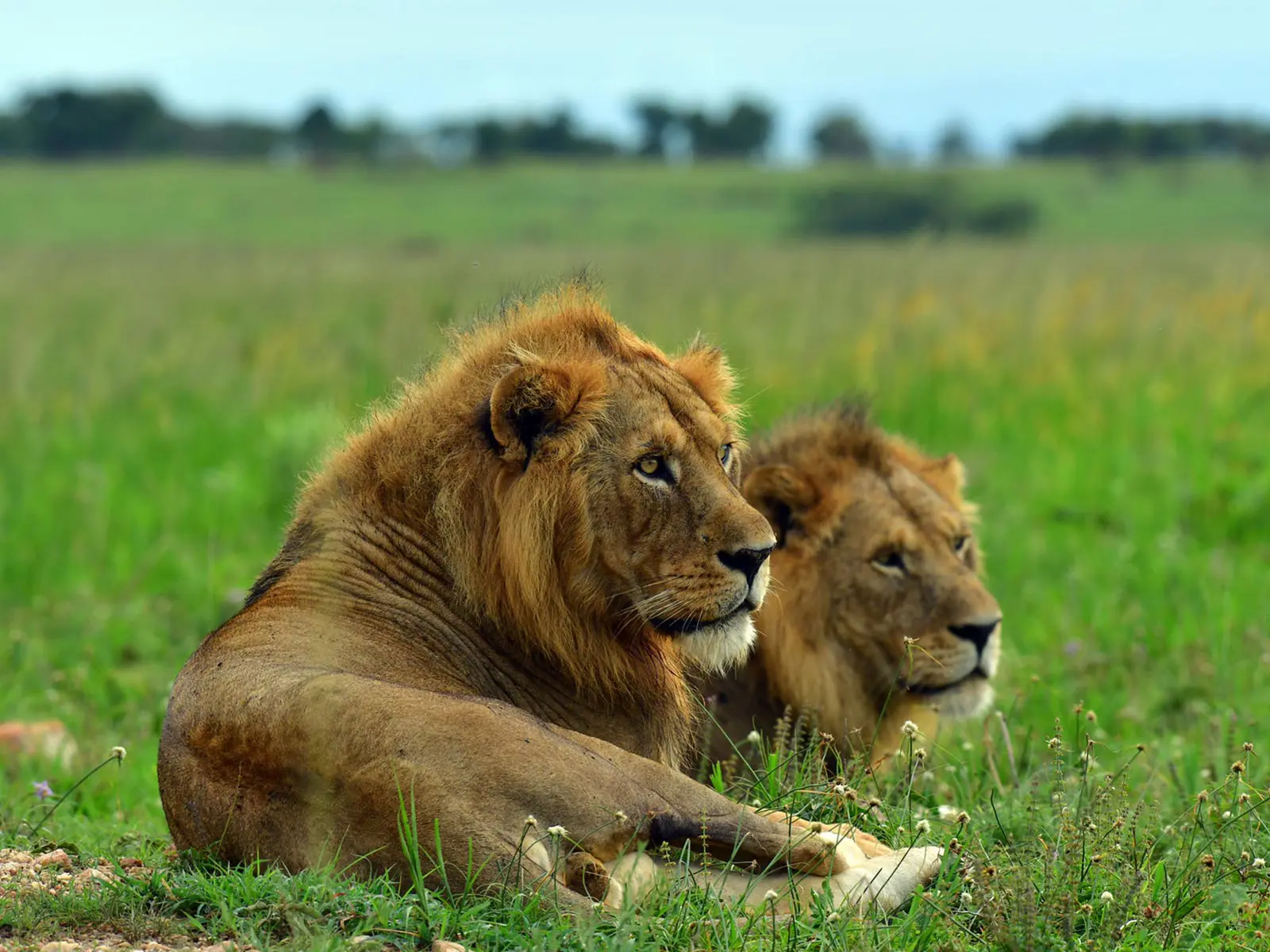
Lions in Murchison live in structured prides, typically consisting of related females, their cubs, and a coalition of males.
Female lions form the core of the pride, maintaining territory and coordinating hunting. Males, often in pairs or small groups, defend the pride from rivals and control breeding rights.
Pride sizes vary depending on territory and prey availability. In areas with abundant food, larger prides are more common.
Territorial behavior is evident through scent marking, vocalizations, and patrol movements. Roaring, especially at night, is a key way lions communicate across distances.
Hunting Behavior: Strategy and Timing
Lions in Murchison Falls National Park are primarily nocturnal hunters, although early morning and late evening activity is common.
They rely on coordinated group strategies, using stealth and positioning to approach prey before launching a short, powerful chase.
The open savannah environment means hunts are often visible when they occur, unlike forest environments where visibility is limited.
Common prey includes Uganda kob, which are particularly abundant in the park, as well as warthogs and occasionally buffalo.
Hunting success is not guaranteed, and many attempts fail. This unpredictability is part of what makes observing lions in the wild so compelling.
Daily Behavior: What Lions Do Most of the Time
Despite their reputation as active predators, lions spend most of their day resting. In Murchison Falls National Park, they can often be seen lying under trees or in tall grass during the heat of the day.
This resting behavior conserves energy for hunting periods.
Social interactions within the pride are common during these periods, including grooming, play among cubs, and subtle dominance displays.
These quieter moments provide excellent opportunities for observation and photography.
Best Time to See Lions
Timing is critical when searching for lions.
Early morning game drives offer the best chance to see lions still active from nighttime hunting. Late afternoon and early evening are also productive, as temperatures drop and activity increases.
Midday sightings are possible but typically involve resting lions, often in shaded areas.
Seasonally, the dry months tend to improve visibility as grass is shorter and animals concentrate around water sources.
Viewing Tips: How to Increase Your Chances
Success in spotting lions depends on both strategy and experience.
Working with knowledgeable guides is one of the most important factors. They understand lion territories, recent sightings, and movement patterns.
Focusing on areas with high prey density increases your chances, as lions rarely stray far from food sources.
Patience is essential. Lions may remain hidden or inactive for long periods before becoming visible.
Listening is also valuable. Alarm calls from prey species can indicate the presence of predators nearby.
Boat Safaris vs Game Drives
While lions are primarily seen during game drives, boat safaris along the Nile River can occasionally provide sightings near the riverbanks.
However, the most consistent encounters occur on land, particularly in the northern plains of Murchison Falls National Park.
Combining both activities provides a more complete safari experience, even if lions are mainly a game drive highlight.
Conservation Challenges and Efforts
Although the lion population in Murchison Falls National Park is stable, challenges remain.
Human-wildlife conflict at park boundaries, habitat pressure, and illegal activities can impact populations if not managed carefully.
Conservation efforts focus on:
Protecting habitats within the park
Strengthening anti-poaching measures
Engaging local communities in conservation initiatives
These efforts are essential to maintaining the long-term health of the lion population.
What Makes Murchison’s Lions Unique
Lions in Murchison Falls National Park are defined by their environment. The open savannah, combined with riverine landscapes, creates a setting where their behavior can be observed more clearly than in dense habitats.
They are not habituated in the same way as some heavily visited parks, which means their behavior remains natural and less predictable.
This adds authenticity to every sighting, making each encounter feel earned rather than staged.
A Classic African Predator Experience
The lions of Murchison Falls National Park offer one of Uganda’s most rewarding wildlife experiences. Their population is stable, their behavior is natural, and their habitat allows for excellent observation opportunities.
From early morning hunts to quiet midday rest under acacia trees, every encounter reveals a different aspect of their lives.
For anyone visiting Murchison Falls, understanding where to look, when to go, and how these lions behave transforms a simple sighting into a meaningful wildlife experience.