
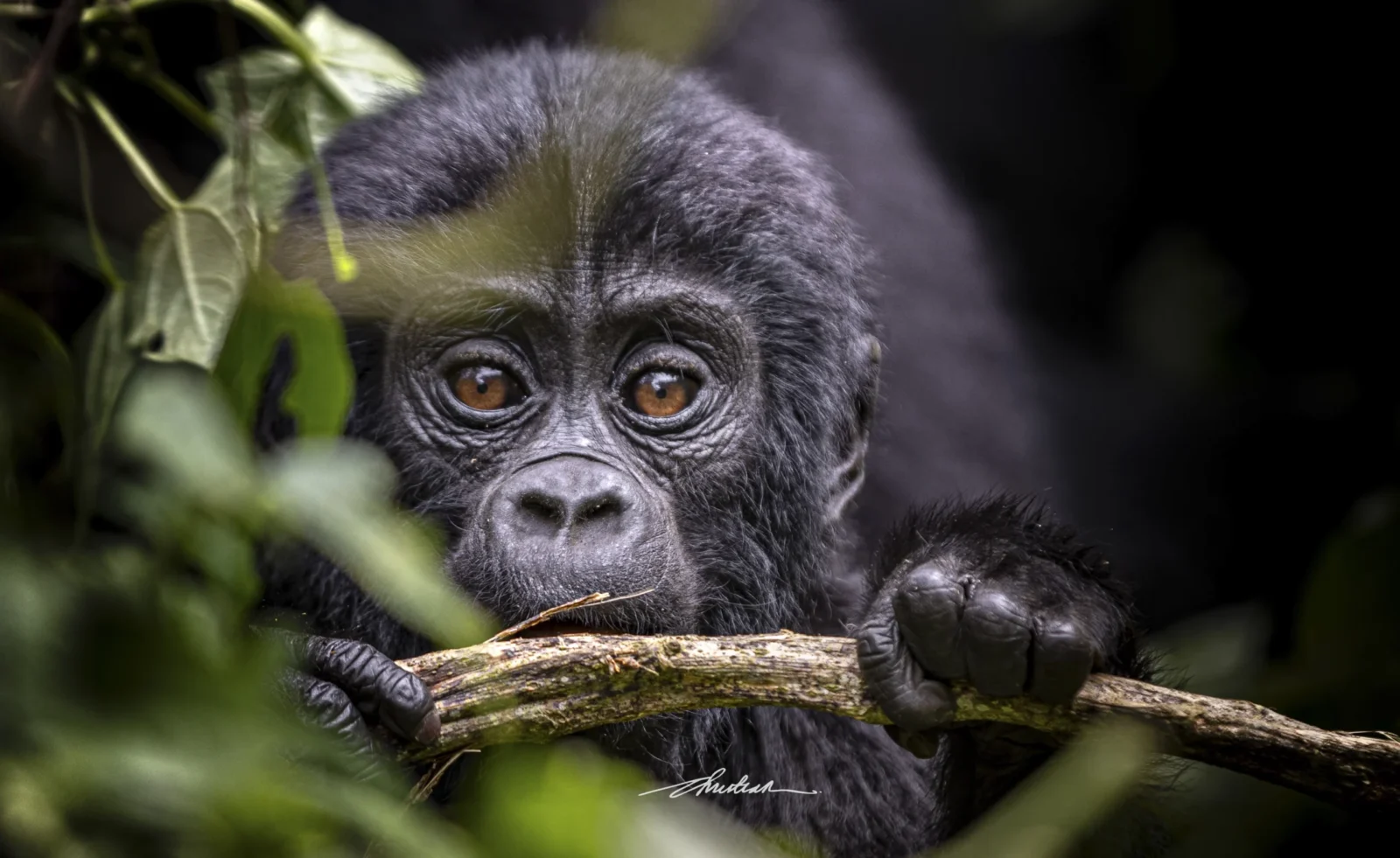
Nkuringo Gorilla Family Bwindi: The Southern Sector Pioneers
High on the forested ridges of southern Bwindi Impenetrable National Park, where steep slopes drop into deep valleys and mist clings to the canopy, the Nkuringo gorilla family holds a unique place in Uganda’s gorilla trekking story. This group is not just another habituated family-it is the pioneer of gorilla tourism in the park’s southern sector, opening up a completely different landscape, trekking experience, and conservation pathway.
If Buhoma represents the origins of gorilla tourism in Bwindi, Nkuringo represents its expansion-into tougher terrain, higher elevations, and more remote wilderness.
The Origins of the Nkuringo Family
The Nkuringo family was habituated in 2004, becoming the first gorilla group available for trekking in southern Bwindi. Before this, most tourism activity was concentrated in the northern Buhoma sector.
Opening Nkuringo changed that.
It allowed visitors to access a different part of the park-one that is less crowded, more rugged, and visually dramatic. It also extended the economic benefits of gorilla tourism to communities in the southern region.
The name “Nkuringo” comes from a Rukiga word meaning “round hill,” a direct reference to the steep, rolling terrain that defines this part of Bwindi.
A Group Defined by Leadership and History
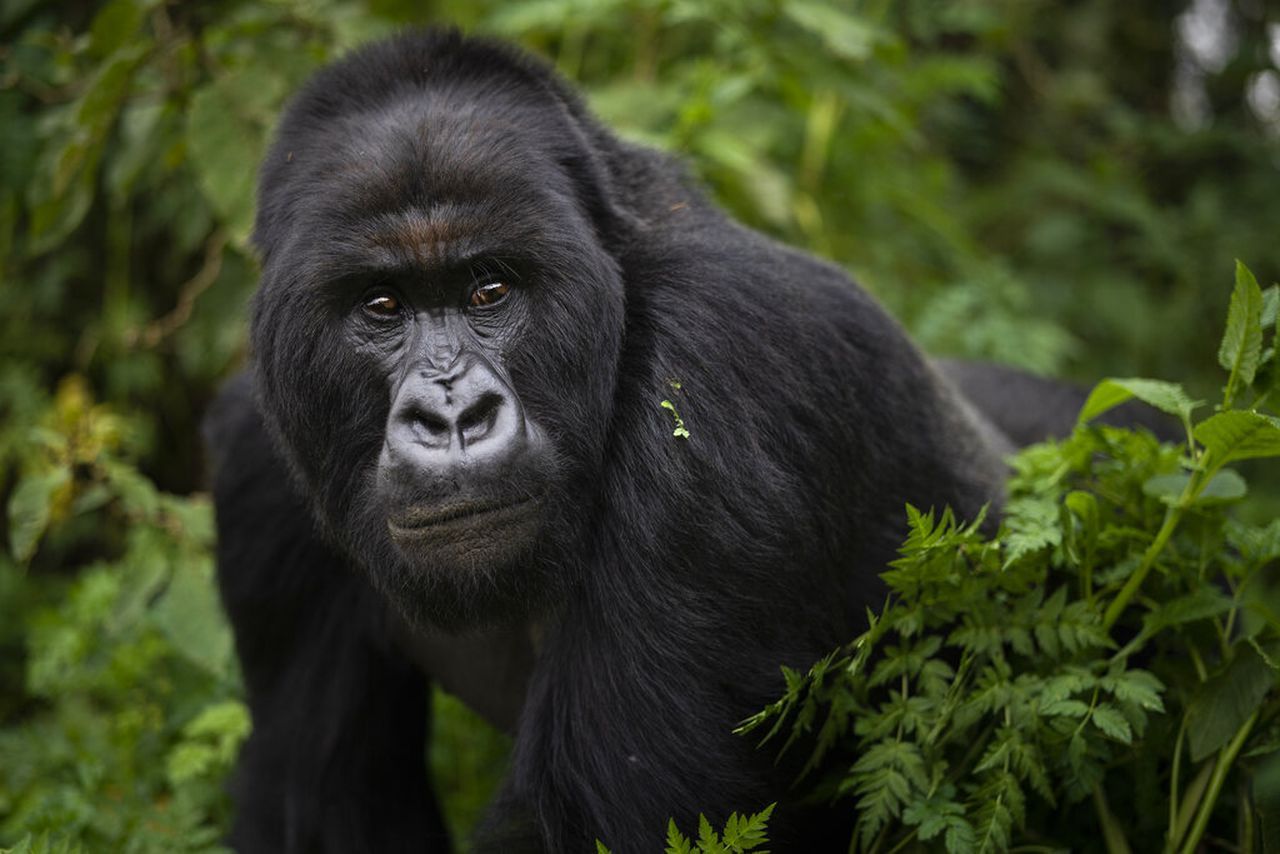
The Nkuringo family gained early recognition under the leadership of a powerful silverback known as Rafiki. He played a central role in stabilizing the group and guiding it through the early years of habituation.
Like all wild gorilla families, Nkuringo has evolved over time. Leadership changes, births, and natural losses have shaped its current structure. Despite these shifts, the group remains one of the most respected and well-known families in Bwindi.
Its history is closely tied to the development of the southern sector itself.
Trekking in Nkuringo: What Makes It Different
Trekking to the Nkuringo family is widely regarded as one of the most physically demanding experiences in Bwindi.
This is not an exaggeration.
The southern sector is characterized by:
Steep inclines and descents
High altitudes
Dense, sometimes challenging vegetation
Longer trekking distances
Reaching the gorillas often involves navigating narrow forest trails, climbing ridges, and descending into valleys. The return journey can be equally demanding, especially when ascending back toward lodge areas.
However, this difficulty is exactly what makes Nkuringo special.
The effort creates a stronger sense of immersion. You are not just visiting the forest-you are moving through it in a way that feels earned.
Landscape and Scenic Value
One of the defining features of the Nkuringo sector is its scenery.
From higher elevations, the views extend beyond Bwindi itself. On clear days, you can see the distant peaks of the Virunga Mountains, creating a dramatic backdrop that is rarely matched in other parts of the park.
The forest here feels more rugged and less frequented. Trails wind through thick vegetation, across ridgelines, and into hidden valleys.
For travelers who value landscape as much as wildlife, Nkuringo delivers a more visually striking experience.
Group Size and Behavior
The Nkuringo family has historically maintained a moderate to large group size, though numbers fluctuate over time.
Within the group, you can expect to observe:
Multiple adult females with infants
Juveniles engaging in playful behavior
The dominant silverback maintaining group cohesion
Because of the terrain, the group may spread out across slopes, creating a more dynamic viewing experience. You may need to shift positions slightly, guided by rangers, to observe different individuals.
This adds movement and variety to the one-hour viewing window.
A More Remote Gorilla Experience
Compared to Buhoma, Nkuringo offers a quieter, less crowded environment.
Fewer lodges, fewer vehicles, and fewer trekkers contribute to a more exclusive atmosphere. This does not mean isolation, but it does reduce the sense of tourism intensity that can sometimes be felt in more accessible sectors.
For many visitors, this is a significant advantage.
You feel deeper within the forest, further removed from infrastructure, and more connected to the natural environment.
Conservation Impact of Nkuringo
The habituation of the Nkuringo family played a critical role in expanding conservation efforts across Bwindi.
By opening the southern sector to tourism, it:
Distributed visitor pressure more evenly across the park
Created new revenue streams for conservation
Provided economic opportunities for local communities
This expansion helped strengthen the overall sustainability of gorilla tourism in Uganda.
Today, Nkuringo remains an important part of that system, contributing to both conservation funding and community development.
Comparing Nkuringo with Other Bwindi Sectors
Understanding Nkuringo requires comparison.
Buhoma offers easier access, shorter treks, and a higher concentration of lodges.
Rushaga provides multiple gorilla families and options for both trekking and habituation experiences.
Nkuringo stands apart for:
More challenging trekking
Higher elevation landscapes
Fewer crowds
Greater sense of wilderness
The choice depends on your priorities.
Who Should Choose Nkuringo
Nkuringo is best suited for:
Physically fit travelers who enjoy challenging hikes
Visitors seeking a more remote and less crowded experience
Photographers interested in dramatic landscapes
Returning trekkers looking for a different perspective
It may not be ideal for those with limited fitness or those seeking the easiest possible trek.
Rules and Trekking Discipline
As with all gorilla trekking experiences in Bwindi, strict rules apply.
Visitors must:
Maintain a minimum distance of 7 meters
Limit viewing time to one hour
Follow ranger instructions at all times
Avoid trekking if unwell
Keep noise levels low
In more challenging terrain like Nkuringo, following ranger guidance is especially important for both safety and conservation.
The Psychological Aspect of the Trek
There is a mental dimension to trekking in Nkuringo that goes beyond physical effort.
The climb, the humidity, and the density of the forest create a sense of progression. Each step feels like part of a journey rather than just a transfer to a viewing point.
By the time you reach the gorillas, the experience carries more weight.
It is not just about seeing them-it is about arriving.
This changes how you perceive the encounter. It feels more earned, more immersive, and often more memorable.
The Nkuringo Gorilla Family represents the pioneering spirit of southern Bwindi Impenetrable National Park. It opened a new chapter in Uganda’s gorilla tourism, bringing visitors into a more rugged, elevated, and visually dramatic part of the forest.
While the trek may be more demanding, the rewards extend beyond the gorillas themselves. The landscape, the solitude, and the depth of the experience combine to create something distinct from other sectors.
For those willing to embrace the challenge, Nkuringo offers one of the most authentic and immersive gorilla trekking experiences in Bwindi.
It is not the easiest option-but it is often one of the most rewarding.