
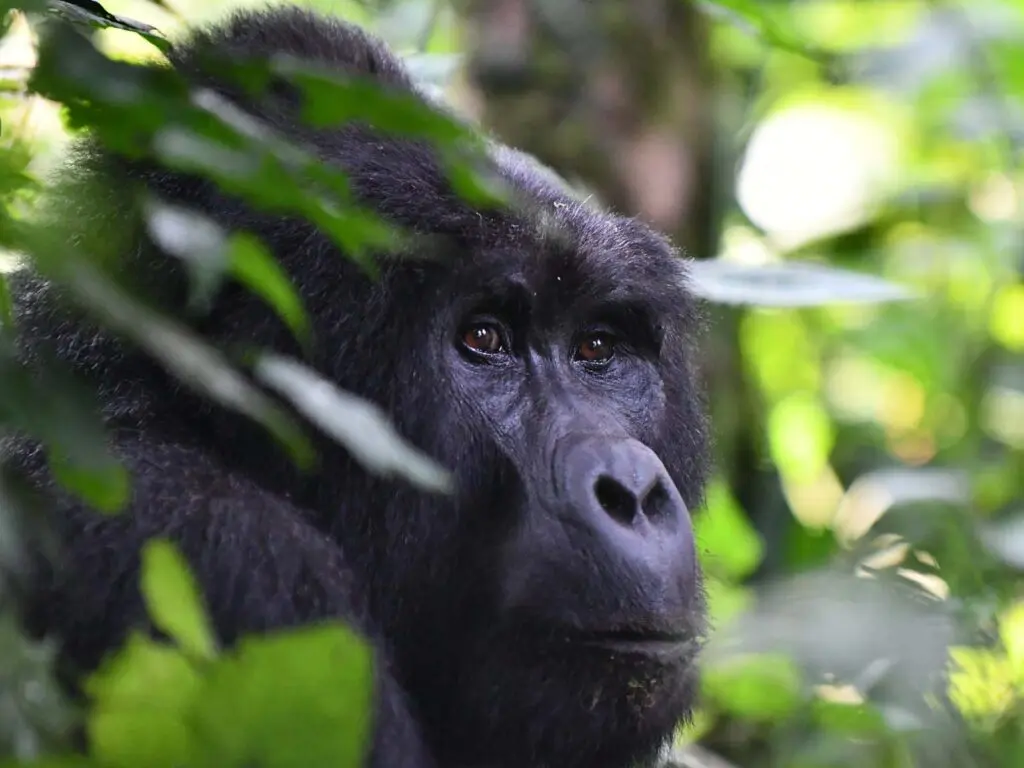
Nyiragongo Volcano Hike + Gorilla Trekking: What This Adventure Actually Involves
The Nyiragongo volcano hike, combined with a Virunga gorilla trek, has long been described as one of Central Africa’s most genuinely spectacular adventure combinations, a demanding climb to the rim of the world’s largest active lava lake paired with an encounter with wild mountain gorillas in the same national park. It is worth describing this experience honestly and in full, both because it is a genuinely remarkable trip when accessible and because, as of this writing, Virunga National Park remains closed to tourism following the M23 conflict that captured nearby Goma in January 2025, meaning this specific combination is not currently bookable. Understanding what the experience involves is still worthwhile for trip planning once conditions eventually allow, and for appreciating why so many adventure travelers have this pairing on a long-term wish list.
The Climb Itself
The Nyiragongo hike begins at Kibati Ranger Post, roughly 1,870 meters in elevation, and climbs to the crater rim at 3,470 meters, a 6.5-kilometer ascent each way that typically takes four to six hours going up and around four hours coming back down. The trail passes through several distinct vegetation zones as elevation increases, from lush lower forest through increasingly sparse, volcanic terrain near the summit, a visibly changing landscape that adds real variety to what is otherwise a sustained, demanding uphill climb. Porters are available to carry gear for the ascent, a genuinely worthwhile option given both the distance and the overnight equipment the standard itinerary requires visitors to bring to the summit. Rangers typically break the climb into a few distinct rest stops along the route, both to manage pacing across such a sustained ascent and to give hikers a chance to acclimatize gradually as the air noticeably thins in the final stretch before the crater rim.
Camping on the Rim and the Lava Lake Itself
What sets Nyiragongo apart from most volcano treks worldwide is the overnight stay directly on the crater rim, in permanent cabins equipped with beds, meaning visitors need only bring a sleeping bag rather than full camping equipment. The main draw, and the reason for staying overnight rather than day-tripping the summit, is Nyiragongo’s crater lava lake, roughly two kilometers wide and widely cited as the largest lava lake on the planet, which becomes genuinely mesmerizing after dark, when the crater’s glow illuminates the surrounding cloud cover and rim in dramatic, shifting red light. Visitors who have made this climb consistently describe the nighttime lava lake view as one of the most singularly spectacular natural sights available anywhere in Africa, a claim that becomes easy to believe looking at photographs from previous, pre-closure expeditions. Sunrise the following morning offers a genuinely different, equally memorable perspective, the lake’s glow fading against a brightening sky while the surrounding Virunga landscape, including distant views toward other volcanoes in the range, comes into view for the descent back down.
How the Standard Combined Itinerary Worked
When Virunga was operational, tour operators commonly packaged the Nyiragongo climb alongside a separate day of mountain gorilla trekking within the same park, giving visitors both of Virunga’s signature experiences within a single, efficient trip, typically four to five days once travel to and from Goma and rest days between the two demanding activities were factored in. A hiking permit for Nyiragongo cost around $300, covering park entry and the overnight cabin stay, with meals, porters, and cold-weather gear, genuinely necessary given how cold the crater rim becomes overnight despite Congo’s equatorial location, available as an additional package for roughly $100 more.
Why This Combination Isn’t Currently Bookable
Given Virunga’s closure since M23’s capture of Goma, a city sitting just twenty kilometers from Nyiragongo’s base, this entire region falls squarely within the area travelers are currently and strongly advised against entering. This is not a case of one activity being affected while the other remains accessible; both the volcano hike and gorilla trekking operate through the same park infrastructure and sit within the same currently unsafe territory, meaning the combination is entirely unavailable rather than partially compromised. Any operator offering to arrange this trip under current conditions should be treated with serious skepticism rather than taken at face value. This extends to any third-party booking platform still listing Nyiragongo climbs as available, since outdated listings can persist online for a surprisingly long time after a destination’s actual on-the-ground status has changed, and availability shown on a website is not itself confirmation of genuine current safety or accessibility. Cross-checking any booking option against the official Virunga National Park channels and current government travel advisories remains the only reliable way to separate a genuine, current offer from an outdated listing still sitting online from before the closure began.
What to Do in the Meantime
Travelers drawn to this specific combination should treat it as a genuine future goal rather than a currently plannable trip, watching for credible, official reopening news rather than assuming it might resume on any particular timeline. In the meantime, Uganda and Rwanda both offer excellent, fully accessible mountain gorilla trekking, and while neither currently offers an equivalent overnight active-volcano-rim experience to Nyiragongo specifically, Rwanda’s Mount Karisimbi hike and Uganda’s Rwenzori Mountains provide genuinely spectacular volcanic and high-altitude hiking alternatives worth considering for travelers who want a demanding climb alongside their gorilla trek without waiting on Congo’s uncertain timeline. Neither alternative replicates the specific experience of an overnight active lava lake camp, since that particular combination remains genuinely unique to Nyiragongo, but both offer their own distinct, world-class high-altitude adventure worth pursuing on its own terms rather than treated purely as a consolation substitute.
Fitness and Preparation the Climb Actually Requires
Even setting aside current access issues, it is worth being clear about how physically demanding the Nyiragongo climb genuinely is, since some descriptions online understate it. A 6.5-kilometer ascent gaining over 1,600 meters of elevation in four to six hours is a genuinely strenuous mountain hike, closer in difficulty to a serious day-hike up a significant peak than to a typical national park nature walk, and it demands real cardiovascular fitness and sustained stamina rather than the more variable, sometimes-easy pace of a standard gorilla trek. Travelers preparing for this climb, whenever it eventually becomes accessible again, would benefit from the same kind of structured pre-trip fitness preparation, regular hiking, stair climbing, sustained cardio work in the weeks beforehand, that serious mountain treks generally require. Altitude at the 3,470-meter summit also warrants genuine respect, since even fit hikers can experience altitude-related symptoms at that elevation, particularly given how quickly the ascent gains height relative to the total distance covered.
The overnight cold at the crater rim also catches some visitors off guard, given Congo’s equatorial location leads many to underestimate just how cold high-altitude nights can get regardless of latitude. Proper cold-weather layers, not simply a light jacket, are genuinely necessary for a comfortable night at the summit cabins, which is precisely why the additional equipment package operators historically offered included specific cold-weather gear alongside the standard camping essentials. Sturdy waterproof hiking boots matter just as much on Nyiragongo as they do on a gorilla trek, since the volcanic scree and loose rock near the summit demand genuinely reliable ankle support and grip, arguably even more so than Bwindi’s muddy forest trails given how different the underlying terrain and footing actually are.
What Made This Pairing So Distinctive
Very few destinations anywhere in the world offer both an active volcano summit camp and wild great ape trekking within the same short, combinable itinerary, and this rarity is precisely why Nyiragongo plus gorilla trekking developed such a devoted following among serious adventure travelers even before the current closure. Volcano enthusiasts who have visited lava lakes elsewhere, Erta Ale in Ethiopia being the most commonly cited comparison, consistently rank Nyiragongo’s accessibility, a genuine overnight stay directly on the rim rather than a distant viewpoint, among the most immersive active-volcano experiences available anywhere, which is part of why so many travelers continue to watch for Virunga’s eventual reopening rather than crossing this particular combination off their list entirely. Photographers in particular have long treated a Nyiragongo summit night as a genuine bucket-list shoot, since capturing the lava lake’s glow against a night sky is a technically demanding but extraordinarily rewarding challenge that few other accessible locations on earth can offer in a similarly close, relatively safe vantage point.
Planning What’s Actually Available Now
Our page on the Mount Nyiragongo volcano’s history covers more background on this genuinely remarkable natural feature. Our companion pieces on whether it’s currently safe to trek gorillas in the DRC and Virunga National Park’s reopening status cover the present situation in full detail and are worth reading alongside this piece. In the meantime, a well-paced three-day Bwindi gorilla trekking safari delivers the mountain gorilla half of this dream trip today, with the volcano-rim adventure remaining a genuine goal for whenever Congo’s situation eventually allows it. Until then, the Nyiragongo volcano hike stays exactly where it belongs on a responsible travel wish list: firmly on hold, well documented, and worth genuine excitement once it becomes safely bookable again rather than something to attempt under current conditions regardless of how compelling the lava lake photographs are.