
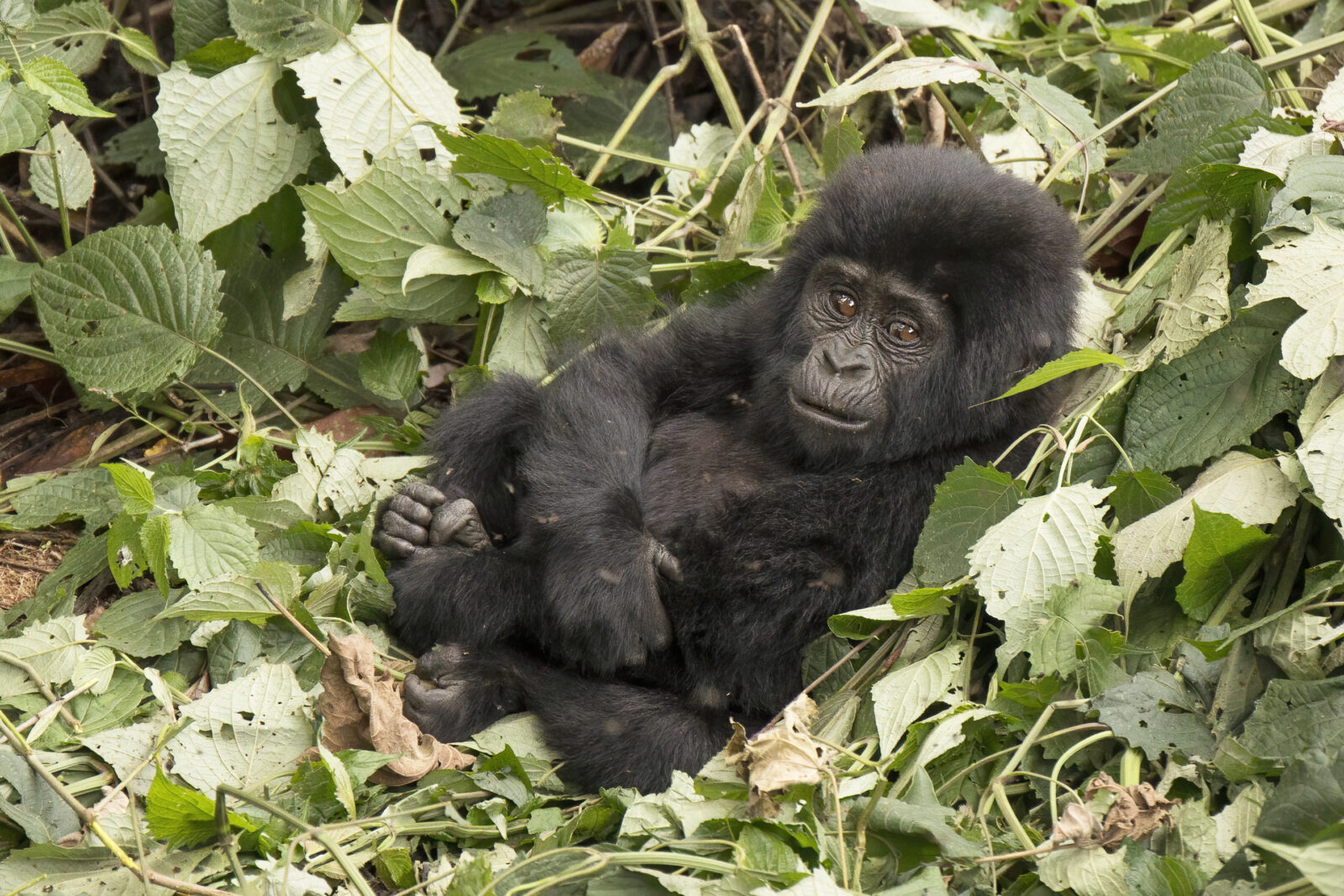
What Happens to Injured Gorillas in Bwindi? Vet Intervention Explained
When a mountain gorilla in Bwindi becomes injured or seriously ill, a specialised team of wildlife veterinarians intervenes directly, a level of dedicated, hands-on medical care rarely extended to any wild animal population anywhere else in the world. This intervention programme, developed specifically to protect an already critically endangered population where every individual genuinely matters, represents one of the more remarkable and lesser-known aspects of Uganda’s broader gorilla conservation effort as a whole.
Gorilla Doctors: The Organisation Behind Veterinary Intervention
Gorilla Doctors, a specialised veterinary organisation operating across Uganda, Rwanda, and the Democratic Republic of Congo, provides the frontline medical response whenever a mountain gorilla shows signs of serious injury or illness. Founded specifically to address the unique conservation challenges facing this critically endangered subspecies, the organisation maintains veterinarians permanently stationed near gorilla habitat, allowing for genuinely rapid emergency response when intervention becomes necessary rather than requiring specialists to travel long distances from more distant locations first.
Why Individual Gorillas Receive This Level of Care
With a total wild population of roughly 1,000 individuals worldwide, mountain gorillas occupy an unusual conservation position where the loss of even a single individual, particularly a breeding female or dominant silverback, carries genuinely meaningful implications for overall population health and genetic diversity. This reality justifies a level of individual veterinary intervention that would be impractical or unnecessary for more numerous wildlife species, treating each gorilla as a genuinely significant contributor to the subspecies’ fragile overall survival.
Common Injuries and Illnesses Requiring Intervention
Gorillas most commonly require veterinary intervention for injuries sustained from snares originally set for other wildlife but occasionally entangling gorillas who wander into affected areas, respiratory illnesses that can spread from human visitors despite strict distance protocols, and injuries resulting from natural intra-group conflict, particularly during dominance disputes between silverbacks. Snare-related injuries represent a particularly urgent intervention category, since untreated snare wounds can prove genuinely fatal without prompt, skilled veterinary attention.
The Snare Removal Programme
Beyond treating gorillas already injured by snares, ranger teams conduct regular, extensive patrols specifically searching for and removing snares set illegally within gorilla habitat, a preventative effort that has meaningfully reduced snare-related gorilla injuries over the years this programme has operated. This proactive snare removal work operates alongside reactive veterinary treatment, addressing the problem from both prevention and response angles simultaneously.
How Veterinary Teams Decide When to Intervene
Gorilla Doctors veterinarians follow careful, established protocols determining when direct intervention is genuinely warranted versus when a gorilla’s natural healing processes should be allowed to proceed without human interference, a genuinely difficult judgment call balancing the strong desire to help against the broader conservation principle of minimising unnecessary human interference in otherwise wild gorilla life. Generally, intervention becomes necessary when an injury or illness poses a clear, significant threat to survival, while more minor injuries are typically monitored rather than treated directly.
The Physical Process of Treating a Wild Gorilla
Treating an injured wild gorilla typically requires careful sedation, allowing veterinarians to safely clean wounds, remove snares, administer medication, or perform minor surgical procedures before the gorilla recovers from sedation and returns to its family group. This process demands considerable skill and coordination, given the genuine challenges of safely sedating and treating a powerful wild animal within dense forest terrain, often with the broader gorilla family group present and potentially agitated nearby.
Success Stories From Veterinary Intervention
Gorilla Doctors has documented numerous cases where prompt veterinary intervention almost certainly prevented a gorilla’s death, particularly in snare-related injury cases where infection would likely have proven fatal without treatment. These documented successes provide genuine, measurable evidence supporting the programme’s continuation and expansion, demonstrating tangible conservation impact beyond more abstract habitat protection efforts alone.
Monitoring Gorilla Health Beyond Emergency Intervention
Beyond responding to acute injuries, veterinary teams conduct regular health monitoring of habituated gorilla families, tracking indicators like body condition, behaviour, and visible signs of illness that might signal developing health concerns before they become acute emergencies. This ongoing monitoring role means Gorilla Doctors’ work extends well beyond emergency response into genuine preventative healthcare for the entire habituated gorilla population.
How Tourism Funding Supports Veterinary Care
A portion of gorilla trekking permit revenue and broader conservation funding directly supports veterinary intervention programmes, meaning every trekker’s permit fee contributes, at least in part, to maintaining this critical medical safety net for the species. This connection between tourism revenue and veterinary care represents another concrete example of how gorilla trekking tourism directly funds the conservation infrastructure protecting the very animals travellers come to see.
The Ethical Debate Around Intervention
Some conservation purists have questioned whether human medical intervention in wild gorilla populations represents an appropriate departure from strict non-interference conservation principles, though the overwhelming consensus among gorilla conservation specialists supports intervention given the species’ critically endangered status and the direct human causation, snares, disease transmission, behind many treatable injuries. This consensus reflects a pragmatic conservation philosophy prioritising species survival over strict adherence to non-interference principles that might make more sense for genuinely abundant wildlife populations.
What Trekkers Should Know About Injured Gorillas
Trekkers who happen to encounter a gorilla currently under veterinary observation or recovering from recent treatment should follow their ranger guide’s instructions particularly carefully, since these situations sometimes require additional distance or modified viewing protocols beyond the standard rules. Guides will clearly communicate any special circumstances affecting a specific trek, and trekkers should treat any such guidance as an important, non-negotiable part of respecting both gorilla welfare and the veterinary team’s ongoing treatment efforts.
A Conservation Effort Worth Understanding
The existence of dedicated veterinary intervention for wild mountain gorillas reflects just how seriously the broader conservation community treats this critically endangered subspecies’ survival, extending medical care rarely offered to any other wild animal population globally. Travellers planning a Uganda gorilla trekking safari can trek knowing that behind every healthy, thriving gorilla family lies not just habitat protection but genuine, ongoing medical vigilance dedicated specifically to keeping each individual gorilla alive and well.
Training the Next Generation of Gorilla Veterinarians
Gorilla Doctors and partner conservation organisations invest significantly in training programmes developing local Ugandan, Rwandan, and Congolese veterinary expertise specifically focused on great ape medicine, building sustainable, regionally rooted capacity rather than relying indefinitely on international specialists flown in for individual cases. This capacity-building work matters considerably for the programme’s long-term sustainability, ensuring that specialised gorilla veterinary expertise continues developing locally within the countries actually hosting these critically endangered populations.
Coordination With Park Rangers and Trackers
Veterinary intervention depends heavily on close, ongoing coordination with park rangers and daily tracking teams, who typically first notice signs of injury or illness during routine gorilla monitoring and immediately alert veterinary staff to potential concerns requiring assessment. This collaborative structure, rangers providing constant on-the-ground observation and veterinarians providing specialised medical response, forms the backbone of how Uganda’s broader gorilla health monitoring system actually functions day to day across the park’s various trekking sectors.
Why This Model Could Inform Other Conservation Efforts
The mountain gorilla veterinary intervention model has attracted growing interest from conservationists working with other critically endangered species facing similarly small population sizes, where the same logic, that individual animal survival carries outsized importance for overall species viability, might justify comparable direct medical intervention approaches. While not every endangered species conservation programme could feasibly replicate this intensive, resource-heavy model, Uganda’s experience offers a genuinely instructive case study for conservation planners considering similar approaches elsewhere.
Funding Challenges Facing Veterinary Intervention Programmes
Despite its clear conservation value, sustained veterinary intervention capacity depends on continued funding, a mix of tourism revenue, international donor support, and dedicated conservation grants that together allow Gorilla Doctors and partner organisations to maintain permanently stationed staff and emergency response readiness. Fluctuations in tourism revenue, as seen dramatically during the COVID-19 pandemic’s near-total halt to gorilla trekking, pose genuine risk to this funding stability, underscoring why diversified funding sources matter as much for veterinary intervention specifically as they do for broader park conservation operations.
How Travellers Can Support This Work Directly
Beyond the conservation contribution already built into standard gorilla permit fees, travellers moved by the veterinary intervention story can support Gorilla Doctors and similar organisations directly through dedicated donations, a meaningful, tangible way to extend their conservation contribution well beyond the trip itself and its immediate memories. Several tour operators also partner directly with conservation organisations, offering travellers structured opportunities to learn more about or contribute specifically to veterinary and health monitoring programmes during their visit.
A Model of Compassion Within Conservation Science
The veterinary intervention programme protecting Bwindi’s mountain gorillas represents a genuinely distinctive blend of rigorous conservation science and direct, individual-level compassion, treating each gorilla not merely as a data point within a broader population statistic but as a genuinely significant individual whose survival matters both scientifically and, for the veterinarians and rangers involved, on a deeply personal level built through years of close, patient observation and genuine, ongoing care for animals many veterinarians come to recognise individually by name.