
Can I See Mountain Gorillas in the Zoo? Why Wild Is the Only Option
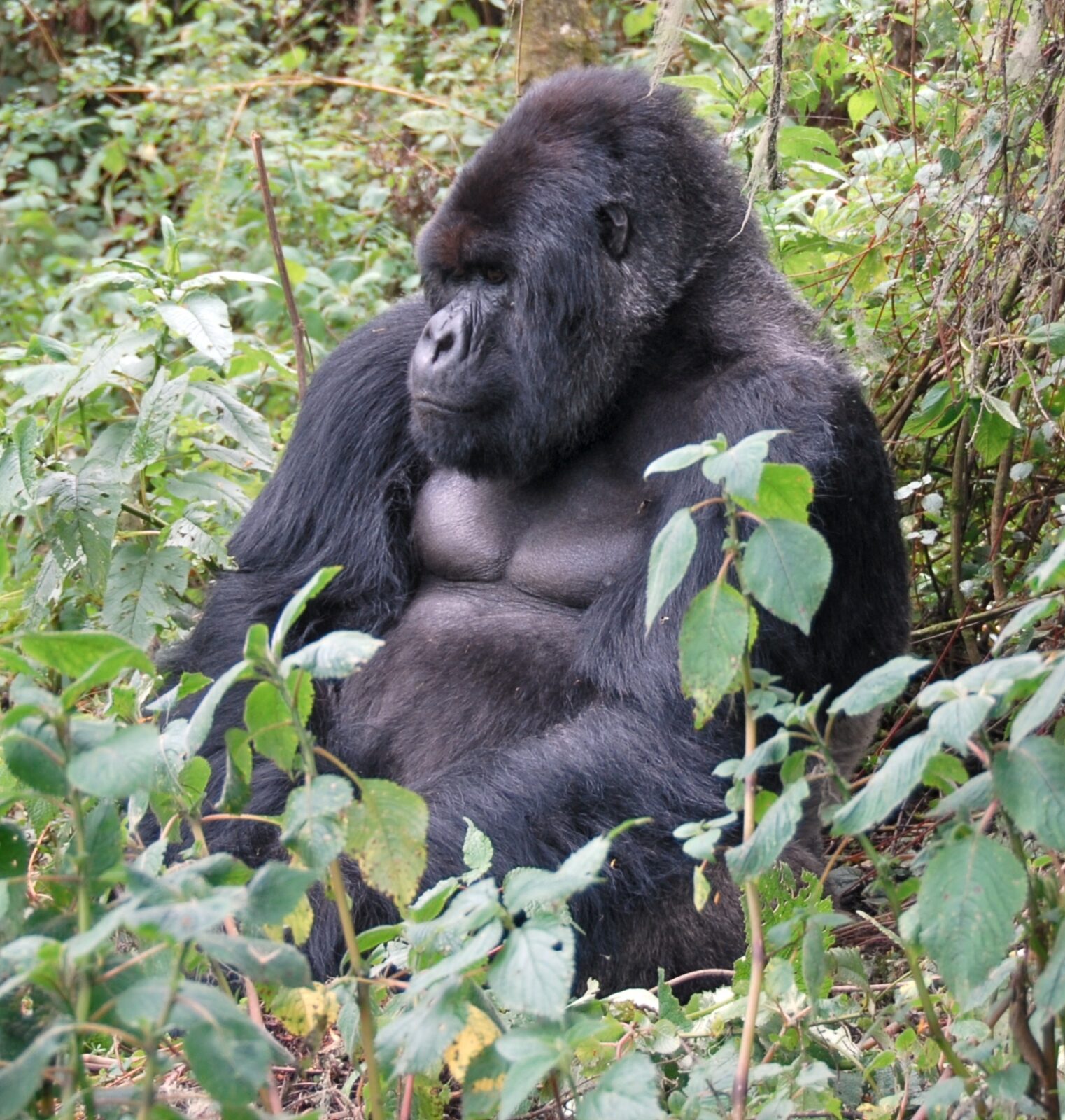
No, mountain gorillas cannot be seen in any zoo anywhere in the world, a fact that surprises many people given how commonly gorillas of other subspecies appear in captive settings across major zoos internationally. Every mountain gorilla alive today lives entirely in the wild, split between three protected areas spanning Uganda, Rwanda, and the Democratic Republic of Congo, making genuine wild trekking the only realistic, existing way to ever encounter this particular, critically important subspecies in person, anywhere on the planet.
Why Mountain Gorillas Have Never Been Successfully Kept in Captivity
Every historical attempt to keep mountain gorillas in captivity has ended in failure, the subspecies proving remarkably unsuited to captive conditions in ways that distinguish it from other gorilla subspecies that have adapted reasonably well to zoo environments over decades of captive breeding programmes. Mountain gorillas require a highly specific high-altitude forest diet and habitat that has proven impossible to replicate adequately in captive settings, and historical attempts at captivity resulted in serious health complications and mortality that ultimately led conservation authorities to abandon the idea entirely, permanently.
What You’ll Actually See in Zoos Labelled “Gorillas”
The gorillas visible in major zoos worldwide, including well-known institutions across North America, Europe, and elsewhere, are almost universally western lowland gorillas, a genuinely distinct subspecies from mountain gorillas that has adapted successfully to captive breeding and public display over many decades of zoo management. While western lowland gorillas share considerable physical similarity with their mountain gorilla cousins, they differ meaningfully in habitat, diet, and several physical characteristics, making a zoo visit to see lowland gorillas a genuinely different experience altogether from encountering mountain gorillas in their native, high-altitude forest habitat.
The Genetic and Physical Differences That Matter
Mountain gorillas have adapted specifically to cooler, high-altitude forest environments, developing notably thicker fur and generally stockier builds compared to western lowland gorillas, physical adaptations directly tied to the colder mountain forest conditions found in Bwindi and the Virunga range. These adaptations reflect a genuinely distinct evolutionary path shaped by mountain gorillas’ specific habitat requirements, requirements that simply cannot be adequately recreated within a zoo enclosure regardless of how well-designed or spacious that enclosure might be.
Why This Matters for Conservation
The complete absence of mountain gorillas from captivity anywhere in the world has an important, often overlooked conservation implication, there is no captive breeding population serving as an insurance policy against wild population decline, meaning the roughly 1,000 remaining mountain gorillas represent the species’ entire global population without exception. This reality places even greater weight on protecting existing wild habitat and populations, since unlike many other endangered species with captive breeding programmes as a conservation backstop, mountain gorillas have no such safety net available.
The Only Way to See a Mountain Gorilla
Given the complete absence of captive mountain gorillas anywhere, trekking through protected forest habitat in Bwindi Impenetrable National Park, Mgahinga Gorilla National Park, Volcanoes National Park, or Virunga National Park represents the only possible way to ever see a mountain gorilla, whether for casual wildlife enthusiasts or dedicated primatologists alike. This exclusivity, while occasionally frustrating for travellers unable to justify the cost or physical demands of trekking, has arguably strengthened the conservation case for protecting these specific habitats, since their protection represents literally the only pathway to this species’ continued survival and visibility.
Documentaries and Media as an Alternative
Travellers unable to undertake an actual gorilla trek can still experience mountain gorillas through extensive wildlife documentary coverage, much of it drawing on decades of research dating back to Dian Fossey’s pioneering studies, offering genuine insight into mountain gorilla behaviour and family life without the cost or physical demands of an actual trek. While no documentary fully replicates the emotional intensity of an in-person encounter, this media offers a genuinely valuable window into mountain gorilla life for those unable to trek in person.
Why Some Travellers Assume Zoo Viewing Is Possible
Given how commonly other gorilla subspecies appear in zoo settings worldwide, it’s genuinely understandable that many people assume mountain gorillas might be similarly available somewhere in captivity, an assumption reinforced by the general public’s limited awareness of the specific subspecies distinctions within the broader gorilla genus. Clarifying this important distinction early in the trip planning process helps prospective travellers understand exactly what a genuine mountain gorilla encounter actually requires, rather than mistakenly assuming a more convenient zoo alternative might exist somewhere closer to home.
How Wild Viewing Differs From What a Zoo Could Offer
Beyond simply being the only option, wild mountain gorilla trekking offers a genuinely different, considerably more profound experience than any zoo visit could provide, observing gorillas in their natural forest habitat, behaving entirely naturally without the behavioural changes captivity can sometimes induce in wild animals. Travellers who have visited zoo gorilla enclosures and later trekked to see mountain gorillas in the wild consistently describe the wild encounter as an entirely different category of experience, not merely a more remote version of the same basic activity.
The Conservation Story Behind Every Wild Encounter
Every mountain gorilla encounter happens specifically because of decades of dedicated conservation work protecting their remaining forest habitat, work directly funded by the tourism revenue that trekking permits generate, creating a genuinely unique, direct relationship between visitor spending and measurable conservation outcome that a standard zoo visit simply doesn’t replicate in any comparable way. Understanding this connection adds meaningful depth to the trekking experience, transforming it from simply an expensive wildlife encounter into direct participation in the ongoing survival story of an entire subspecies.
Planning a Genuine Mountain Gorilla Encounter
For travellers genuinely drawn to encountering mountain gorillas specifically, rather than gorillas broadly, trekking remains the only pathway, and understanding this clearly from the outset allows for realistic trip planning centred around the genuine trekking experience rather than a mistaken assumption that a more convenient alternative exists. Anyone ready to encounter mountain gorillas in the only place they exist should begin exploring a Uganda gorilla trekking safari as the genuine, singular way to make this extraordinary encounter happen.
Other Great Apes Available in Zoo Settings
Beyond western lowland gorillas, several other great ape species do appear in major zoo collections worldwide, chimpanzees and orangutans among the most commonly displayed, offering travellers unable to trek an alternative primate viewing experience, even if it doesn’t substitute for a genuine mountain gorilla encounter specifically. Understanding these distinctions helps travellers set realistic expectations about what any given wildlife institution can actually offer, rather than assuming all great ape species share similar availability across captive settings.
Historical Attempts and Why They Stopped
Records from earlier decades of zoo history do document isolated historical attempts to display mountain gorillas in captivity, efforts that consistently ended in the animals’ premature death due to the specific dietary and environmental requirements captivity simply couldn’t meet. These historical failures directly informed the current, universally accepted conservation consensus that mountain gorillas should never again be removed from their wild habitat for captive display, a principle now firmly embedded across international conservation and wildlife trade regulation.
What This Means for Future Generations
Because mountain gorillas exist nowhere outside their native wild habitat, and given the complete absence of any captive breeding safety net, the ongoing protection of Bwindi, Mgahinga, the Virunga range, and Virunga National Park in the Democratic Republic of Congo represents literally the entire future of this remarkable subspecies. This reality underscores why sustained conservation funding, much of it generated directly through tourism revenue from trekking permits, carries such genuine, irreplaceable importance for ensuring future generations retain any opportunity at all to encounter mountain gorillas, whether through trekking themselves or simply knowing the species continues to survive in the wild.
Answering the Question Simply
To answer the original question directly, no zoo anywhere on Earth houses mountain gorillas, and none ever successfully has, making a genuine wild trek through Bwindi, Mgahinga, or the Virunga range the only real way to ever stand in the presence of this specific, critically important subspecies. Travellers who understand this clearly from the start of their planning process are better positioned to appreciate exactly how rare and genuinely irreplaceable the opportunity to trek mountain gorillas truly is, compared to viewing any other, more commonly displayed great ape species available elsewhere in captivity.
A Final Word on Why This Restriction Matters
Rather than viewing the complete absence of captive mountain gorillas as an unfortunate inconvenience, it’s worth recognising it as a genuinely powerful argument for the conservation model built around wild habitat protection and regulated tourism, a model that has produced one of the very few genuinely positive population trends among the world’s great apes. Every mountain gorilla a trekker encounters in Bwindi or the Virunga range represents a wild individual whose entire existence depends on continued habitat protection, a reality that gives wild trekking a weight, meaning, and genuine sense of responsibility that no zoo enclosure, however spacious or well-intentioned, could ever hope to replicate for a visiting traveller.