
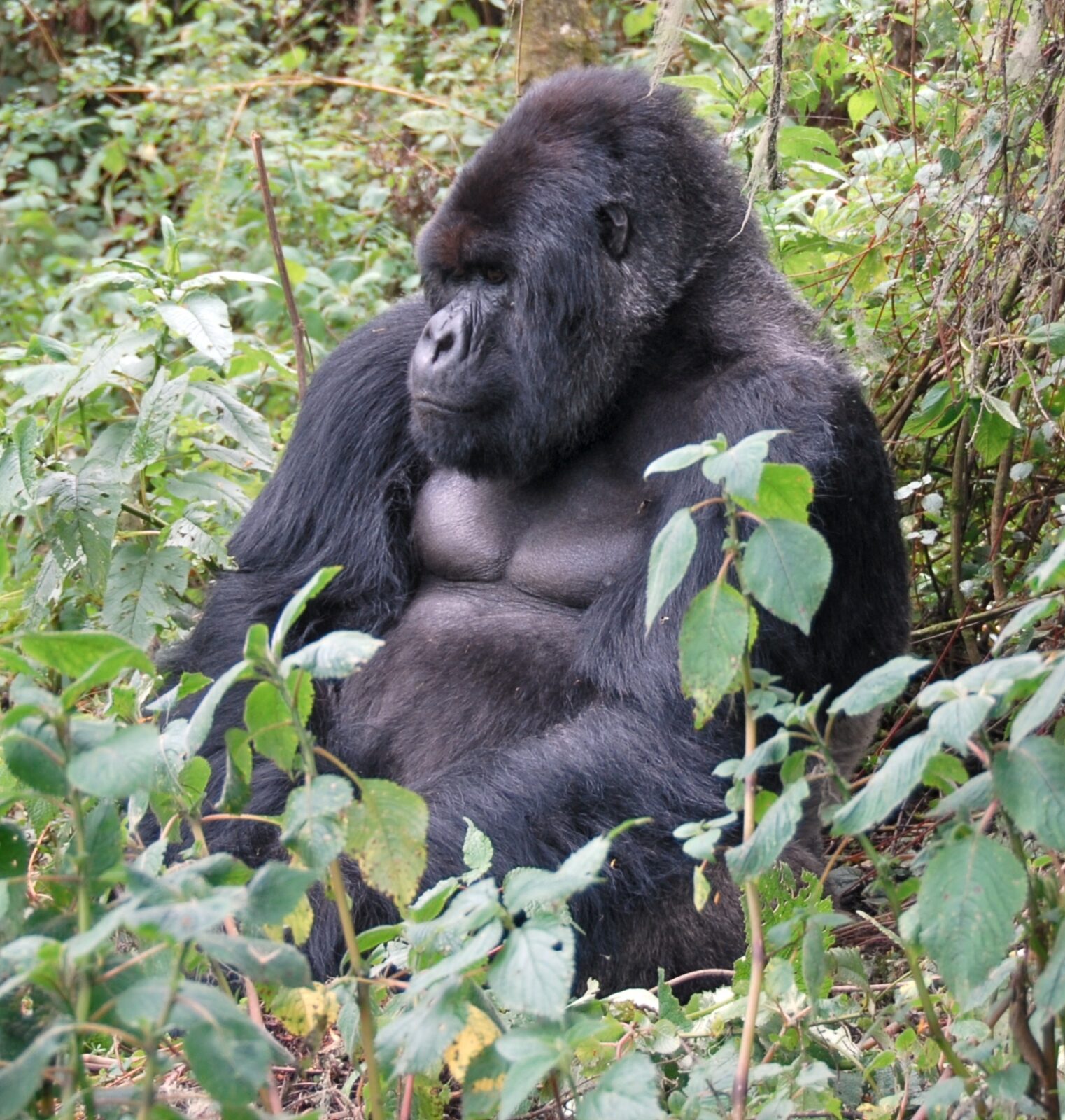
What Is the Age Limit for Gorilla Trekking?
The minimum age for gorilla trekking is fifteen years old, a rule enforced identically across Uganda, Rwanda, and the Democratic Republic of Congo, the three countries offering mountain gorilla trekking anywhere in the world. This age restriction applies without exception, regardless of a younger traveller’s physical fitness, maturity, or eagerness to participate, and understanding the reasoning behind it helps families plan realistic itineraries around the rule rather than being caught off guard by it on arrival.
Why Fifteen Is the Universal Minimum Age
The fifteen-year minimum reflects a combination of genuine safety and conservation considerations rather than an arbitrary bureaucratic threshold, younger children generally lack the physical stamina and behavioural discipline required for potentially demanding, multi-hour treks through steep, dense forest terrain, while also posing a somewhat elevated risk in terms of noise and unpredictable movement around habituated gorilla families. Wildlife authorities across all three gorilla trekking countries adopted this same threshold specifically because these underlying safety and conservation concerns apply equally regardless of national border.
No Exceptions, Regardless of Circumstances
Unlike some age-related travel restrictions that occasionally flex based on special circumstances or operator discretion, the gorilla trekking minimum age is applied strictly and without exception across all authorised trekking operations, meaning no amount of advance negotiation, special pleading, or demonstrated maturity in a younger traveller will secure an exception. Families should treat this rule as entirely fixed when planning their itinerary, rather than assuming any flexibility might be available on the ground.
Is There an Upper Age Limit?
Unlike the strict lower age boundary, there is no formal upper age limit for gorilla trekking, and travellers well into their seventies and beyond regularly complete treks successfully, provided they possess reasonable physical fitness and, ideally, have prepared specifically for the trek’s physical demands beforehand. Age alone doesn’t disqualify older travellers, though realistic self-assessment of fitness and mobility matters considerably more for older trekkers than any specific number itself.
Planning Family Trips Around the Age Restriction
Families travelling with children below the fifteen-year threshold need to plan alternative activities for younger family members during the gorilla trekking portion of the trip, rather than assuming the whole family can simply trek together regardless of age. Most gorilla trekking destinations offer suitable alternatives, golden monkey trekking in Rwanda, cultural village visits, or supervised activities at family-friendly lodges, allowing younger children to have a meaningful, age-appropriate experience while other family members complete the gorilla trek itself.
Alternative Activities for Younger Children
Several lodges near Bwindi and Volcanoes National Park offer structured children’s programmes or guided nature walks specifically designed for younger visitors, giving families a genuine way to keep children engaged and occupied during the hours parents or older siblings spend trekking. Some families also arrange for one parent to stay behind with younger children while the other completes the trek, then swap roles on a subsequent day if visiting a destination offering multiple trekking days or additional permits.
What About Teenagers Just Above the Minimum Age?
Travellers aged fifteen to seventeen can trek without any special restriction beyond the age minimum itself, though families should honestly assess whether a young teenager possesses the physical stamina and behavioural discipline the experience genuinely demands, several hours of demanding hiking followed by strict, quiet, controlled behaviour once gorillas are located. Most teenagers at or above the minimum age handle the experience well, particularly those with some prior hiking or outdoor activity experience, but this honest self-assessment matters more than the age threshold alone.
Health Considerations Beyond Age
Beyond the strict age minimum, all trekkers regardless of age must be free of symptoms suggesting communicable illness, given the genuine risk of disease transmission from humans to gorillas, a species vulnerable to many of the same respiratory illnesses that affect humans. Travellers of any age showing cold, flu, or similar symptoms on trekking day may be asked to sit out the trek entirely, a health-based restriction that applies independently of and in addition to the standard age requirement.
Booking Permits With the Age Rule in Mind
Given that gorilla permits represent a genuinely significant financial commitment, confirming every trekking group member meets the minimum age requirement before booking permits avoids the considerable disappointment and financial loss of discovering an age-related exclusion after payment has already been made. Tour operators experienced in family travel routinely ask about traveller ages specifically during initial planning conversations, precisely to avoid this kind of costly late-stage surprise.
Chimpanzee Trekking: A Different Age Threshold
Travellers should note that chimpanzee tracking, a genuinely popular complementary activity in Kibale Forest and elsewhere, sometimes operates under a different minimum age than gorilla trekking, and families interested in combining both activities within a single trip should confirm the specific age requirements for each separately rather than assuming identical rules apply across both experiences.
Making the Most of a Multi-Generational Trip
Families spanning multiple generations, young children, teenagers, and grandparents, can absolutely build a genuinely rewarding shared Uganda or Rwanda trip around the gorilla trekking age restriction, provided the itinerary planning honestly accounts for who can trek and who needs alternative activities arranged. Working with an experienced tour operator specifically to design an itinerary accommodating this age diversity produces a considerably smoother, more enjoyable trip for every generation involved than attempting to force a one-size-fits-all itinerary around the trekking restriction.
Planning Confidently Around the Age Rule
Understanding the firm fifteen-year minimum age requirement well before booking allows families to plan realistically, arranging appropriate alternative activities for younger travellers rather than discovering the restriction unexpectedly during the trip itself. Anyone planning a Uganda gorilla trekking safari with family members of varying ages should discuss age-appropriate itinerary planning with their tour operator from the very earliest planning stages.
Why the Age Rule Differs From Other Safari Activities
Most other East African safari activities, game drives, boat safaris, and general wildlife viewing, carry no formal minimum age restriction, making gorilla trekking’s strict fifteen-year threshold somewhat distinctive within the broader safari landscape. This difference exists specifically because gorilla trekking involves considerably more direct physical proximity to genuinely powerful wild animals, combined with demanding physical exertion over unpredictable terrain, factors that simply don’t apply to the same degree during a standard vehicle-based game drive or boat excursion elsewhere in a broader itinerary.
How Fitness, Not Just Age, Affects Trekking Suitability
While the fifteen-year minimum sets a firm legal floor, genuine trekking suitability depends just as much on physical fitness and general health as it does on meeting the minimum age threshold itself, meaning families should honestly evaluate a fifteen-year-old’s actual physical readiness rather than assuming meeting the minimum age automatically guarantees a comfortable trekking experience. Building in some preparatory hiking or physical activity in the weeks before a planned trek helps ensure younger, first-time trekkers approach the actual day with reasonable physical readiness rather than facing an unexpectedly demanding challenge unprepared.
Documenting Age at the Point of Booking and Trekking
Travellers should carry valid identification confirming their date of birth on trekking day, since wildlife authority staff may request age verification before allowing a younger-looking trekker to join a group, particularly for travellers close to the fifteen-year threshold. Having a passport or other official identification readily available avoids any awkward, last-minute complications at the registration point on what should otherwise be an exciting, well-anticipated morning.
How This Age Rule Compares to Other Great Ape Destinations
Uganda’s chimpanzee tracking, orangutan trekking in parts of Southeast Asia, and other great ape tourism experiences worldwide often apply somewhat varied age thresholds depending on the specific country and species involved, meaning travellers shouldn’t assume gorilla trekking’s fifteen-year rule automatically applies to other primate encounters they might be planning within the same broader trip. Researching each specific activity’s age requirements independently, rather than assuming consistency across different wildlife experiences, prevents confusion when building a multi-activity itinerary spanning several different primate encounters.
Talking to Younger Family Members About the Restriction
Families travelling with children who fall just under the age threshold sometimes face genuine disappointment from eager younger travellers excited about the prospect of seeing gorillas, and framing the age rule honestly, as grounded in real safety and conservation reasoning rather than an arbitrary adult decision, tends to help younger family members understand and accept the restriction more readily. Involving younger children in planning their own alternative activity, rather than treating it purely as a consolation, often transforms what could feel like exclusion into a genuinely exciting part of the trip in its own right.
Revisiting Uganda or Rwanda When Children Come of Age
Many families who travel to Uganda or Rwanda with children below the trekking age threshold return years later specifically once those children have reached fifteen, treating the earlier family trip as an introduction to the region’s culture and wildlife broadly, with gorilla trekking itself saved for a dedicated return visit once every family member can fully participate. This approach, while requiring two separate trips rather than one comprehensive visit, allows families to eventually share the complete gorilla trekking experience together rather than permanently excluding younger members from what is often considered the trip’s defining highlight.